Un guide pratique pour comprendre véhicule électrique, comparer les options et prendre une décision plus sûre.
L’article Véhicule électrique : guide complet pour faire le bon choix est apparu en premier sur Garan Cedore Magazine.
No country is without sin. And nobody has a clean slate. There are a lot of unpalatable secrets lurking in any country’s history and present. Even though it might be uncomfortable dragging them into the spotlight, acknowledging these less-than-savory facts is the first step to solving the issues in the first place.
The redditors living in Europe opened up about the dark facts about their home countries in a brutally honest thread over on r/AskEurope. These facts might not be for everyone, so fair warning, some of the things you might read are darker than dark.
If you’d like to share some lesser-known dark secrets about your home country, Pandas, you can do so in the comment section once you’re done reading this list.
Click here & follow us for more lists, facts, and stories.
England. I don’t know how unknown this is but Alan Turing who helped to break Nazis’ enigma code was arrested for being gay and was chemically castrated by the government he helped years ago. He was banned from GCHQ and the US which greatly effected his career. He killed himself in 1954.
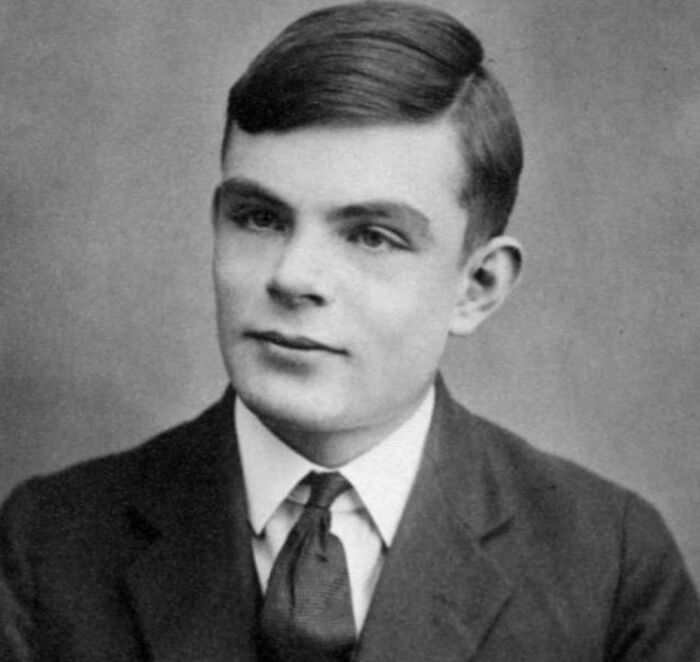
© Photo: psychoghost847
In Italy a r*pist could marry his victim to avoid any legal persecution (this practice was called "matrimonio riparatore"). The women were pressed to accept the marriage to avoid social shame. Franca Viola, in 1948, was the first woman to refuse to marry her r*pist, but this practice was abolished by law only in 1981.

© Photo: leady57
Sweden used to treat Sami natives in northen Sweden as second class citizens for the longest time and we barely learn about it in school. As late as the 70s Sami children were still forcefully taken from their Sami parents and adopted by Swedish parents to ”make them Swedish”
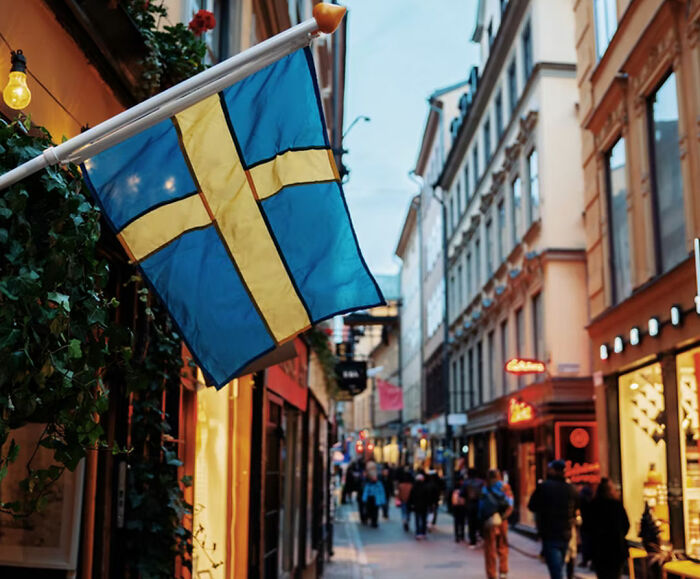
© Photo: Swedishboy360
User u/AkruX explained that they were inspired to create the thread on r/AskEurope after learning that their home country, the Czech Republic (aka Czechia), was at one point ranked the third-worst slavery haven in the entirety of Europe. They were completely shocked by this.
Very recently, Bored Panda spoke to Brooke Burris, who chairs the Tri-County Human Trafficking Task Force in the Charleston area in South Carolina. She went into detail with us about human trafficking. It’s a deep-seated problem that is global, not located in just any one or two countries.
According to Brooke, people care about fighting against human trafficking more when they realize that it’s a local problem.
Norway. How terrible we have suppressed the Sami people and how we forcefully assimilated them in order to “fit in” with the “Norwegian culture”. And how the racism against them still exist very much to this day. They are still treated horrible by Norwegians and we are barely learned anything about their history in our schools.
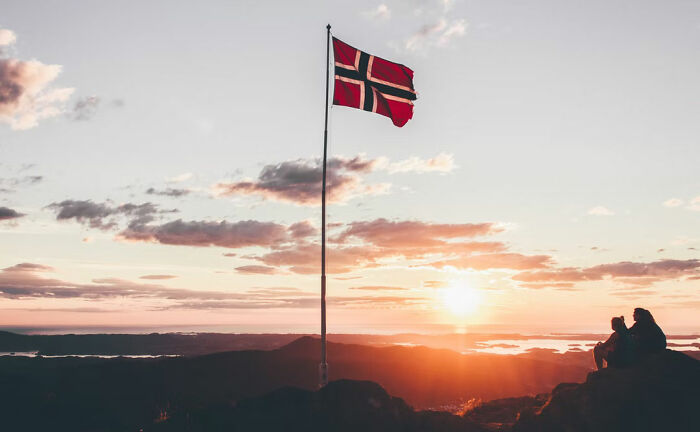
© Photo: ClementineMandarin
Poland is ranked as the most homophobic country in the EU
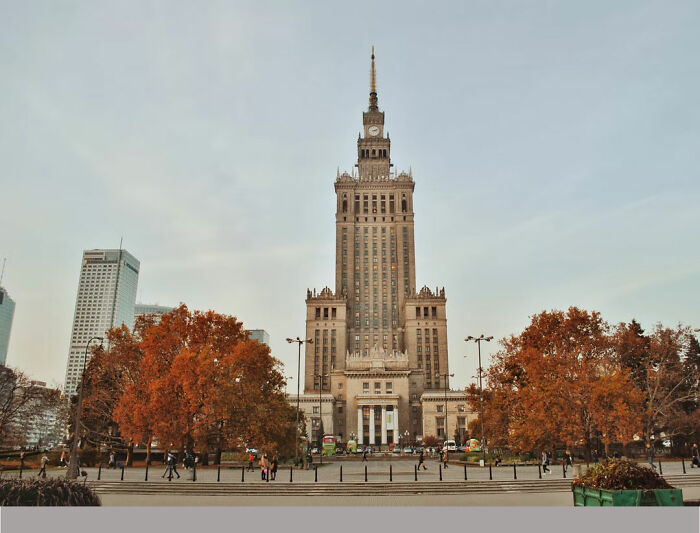
© Photo: g_guacamole
NOBODY answered from the USA!? SO MANY...but I've always thought that how the land was taken from the original inhabitants one of the worst things this 'land of the free' has done. The massacres, the forced relocations, the infecting with smallpox, the loss of their identity as independent peoples...the list just goes on. Continued up until taking Hawaii away from the ruling monarchy in the 1800's.
"The U.S. Dept. of State has recognized that trafficking is a global problem, solved on the local level through a multidisciplinary response. The more local one's focus on the nature and prevalence of the issue, the better and truer understanding one will have as to both (1) the scale of trafficking and (2) how they specifically can take ownership of the problem and become a part of the solution,” she explained.
The expert noted that human trafficking is a far broader and more complex problem than it’s presented in movies.
"Kidnapping and using physical force/coercion is only one means by which a trafficker can control a victim," she said.
Australia. Basically everything to do with the First Nations/Aboriginal and Torres Strait Islander people. Mostly the stolen generations but there was a whole lot more f*cked up s***.
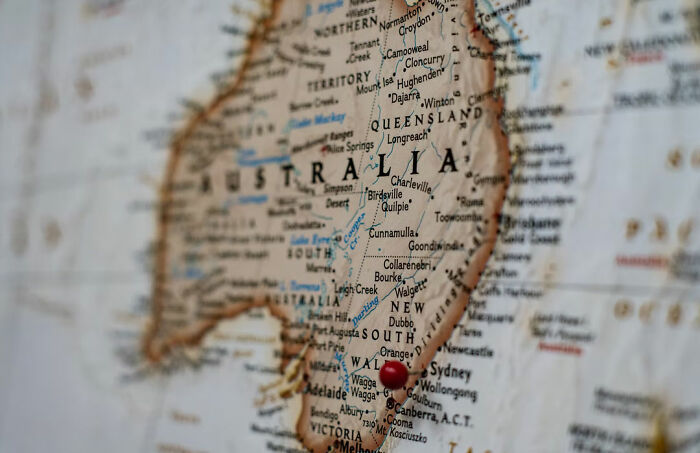
© Photo: superweevil
Turkey. There is overwhelming violence against women in Turkey. And the first thing [anyone] asks: well, what was she wearing?, what is she doing there this late?
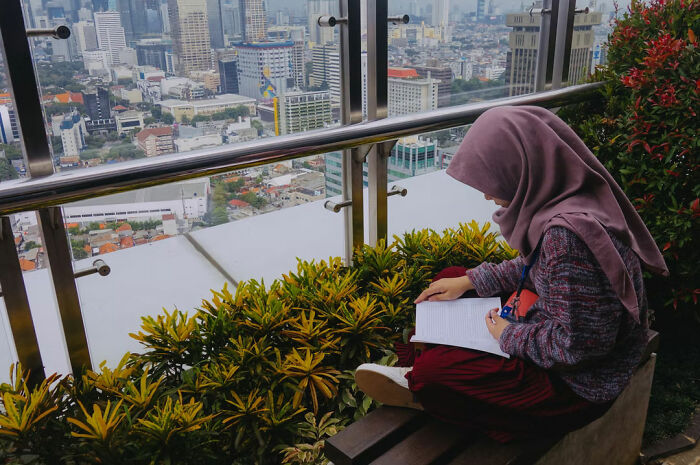
© Photo: IAmNoSherlock
Spain is only second to Cambodia for missing persons cases that were never resolved. There is a government run online search tool for finding mass graves.
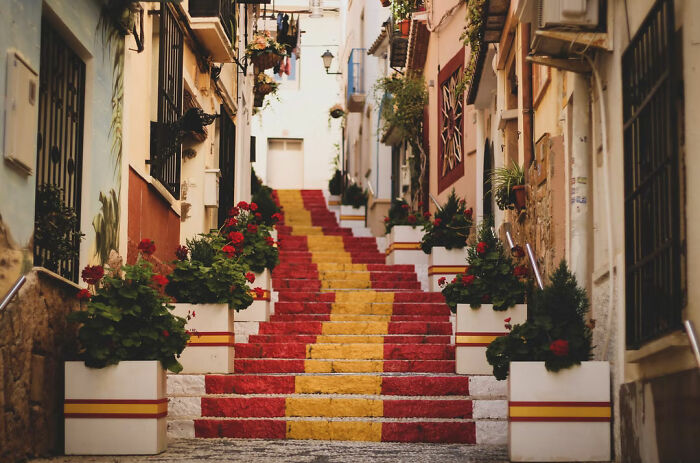
© Photo: User
"In fact, according to a report of prosecuted [intimacy] trafficking cases in the U.S., 59% of coercive tactics used by traffickers were non-physical, compared to 41% of tactics involving physical coercion. Further, transportation is merely one type of action used by a trafficker,” Brooke told us.
Though it’s unlikely that human trafficking will be fully rooted out globally or in any particular country, it is vital to limit its scope.
“Until the Lord comes, I think evil will always exist in our world. Therefore, if I'm honest, I don't think we will be able to eradicate human trafficking entirely," Brooke said that it’s important to keep fighting injustice, but it’s equally vital to be realistic about the scope of the problem.
France. Forced sterilization of intellectually disabled people was a very common thing until the early 2000s. There's now a law requiring consent since 2001, but I wouldn't be surprised to learn forced sterilization still happens.
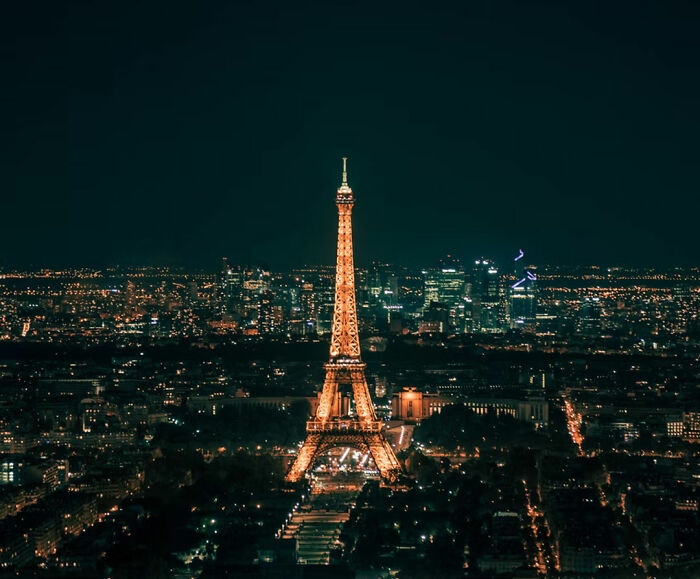
© Photo: 80sBabyGirl
Portugal has massive problem with domestic violence (including femicide and child abuse). Strict catholic patriarchy was THE rule until 1974, so it's still hanging around in older generations and trickling down on their descendants. And most offenders get off with a slap on the wrist because we still have courts full of old [butt] judges.
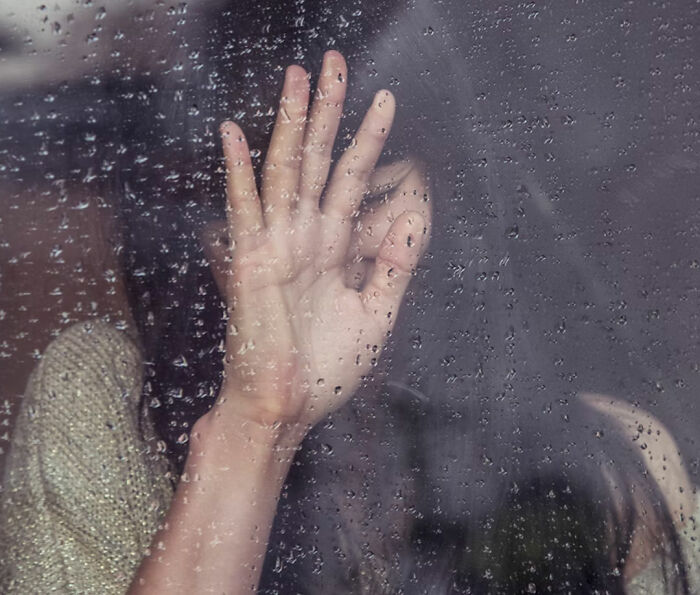
© Photo: SerChonk
I think many people, that don't live in german-speaking countries, don't know that Austria was a fascist dictatorship for 4 years before the Anschluss
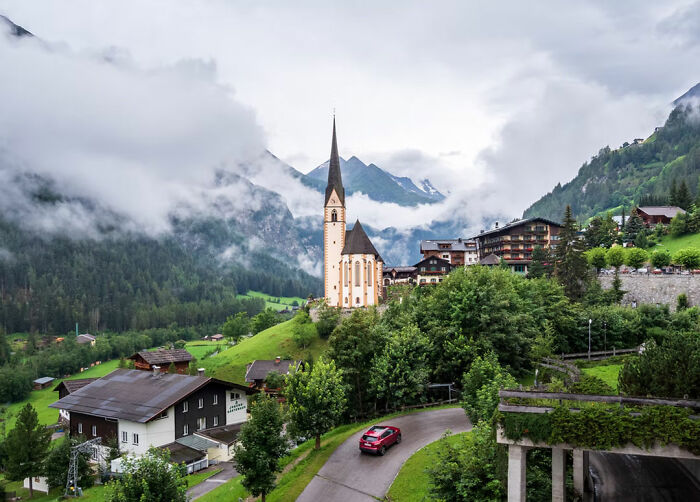
© Photo: RapAddictedAustrian
Netherlands. In 1620, the Dutch East India Company committed genocide on the people on the Indonesian Banda Islands, under the flag of the Dutch fleet. Murdered 95% of the population as punishment. Their crime? Selling nutmeg to the Portuguese and the English. I don't even like nutmeg that much. Their population still isn't at the level it was before the genocide.
In Ireland we were under such control of the Catholic church until 2000s. Our constitution was drawn up with their approval and still says that women have a role in the home. Anyway the control of the church meant that the church got away with shielding and transferring p********e priests ( well known). The not so well known was the following three things outside Ireland are: Mother and baby homes - This was where unwed mothers were brought. They were a shamed, has their children taken away. The children either died or were adopted illegally to Irish and American families. They also burned their records and one in Tuam Co Galway dumped the bodies of many children who died in a septic tank (tank where sewage is stored from houses not connected to the main sewage system). Magdalene Laundries - this was where runways and some troubles were brought. They were slaves in a laundry and received nothing and were treated terribly and the religious orders made money off the backs of this slavery. The last one wasn't closed till the 90s which is messed up. Also corporal punishment in schools until the late 60s early 70s especially in industrial schools (some of which were for troubled boys and the abuse there was messed up. So yes we have a dark past. Now it makes sense why there are few young Catholics in Ireland. We don't mention it much but we know and it makes me ashamed and I'm 25.
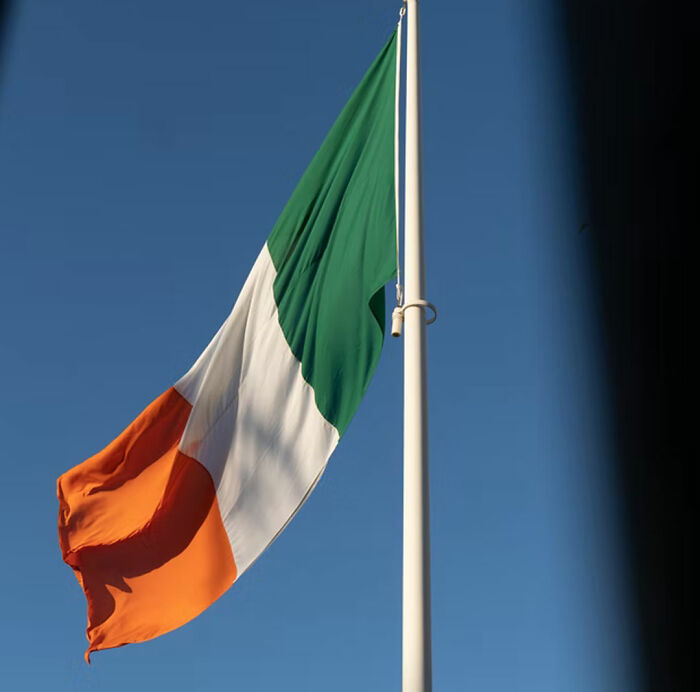
© Photo: diffles2
Germany. Female genital mutilation in Germany. It makes me incredibly angry as it is an more or less unpunished crime for decades now and nothing is done really. Every few years, when sombody decides to report about it measures are announced, but nothing will be really done.

© Photo: User
Russia. Most Russians actually support their government and especially Putin
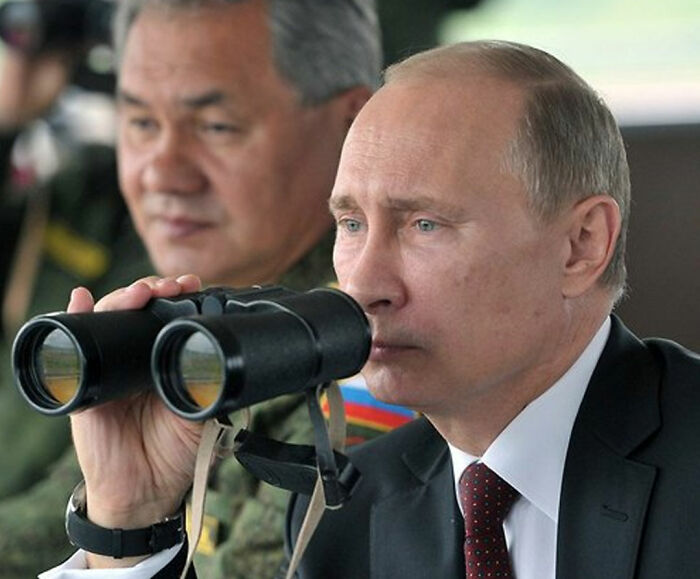
© Photo: Looz-Ashae
Georgia. State of LGBT rights. They are non-existent, you can easily get killed by religious people and nobody will give a s***.
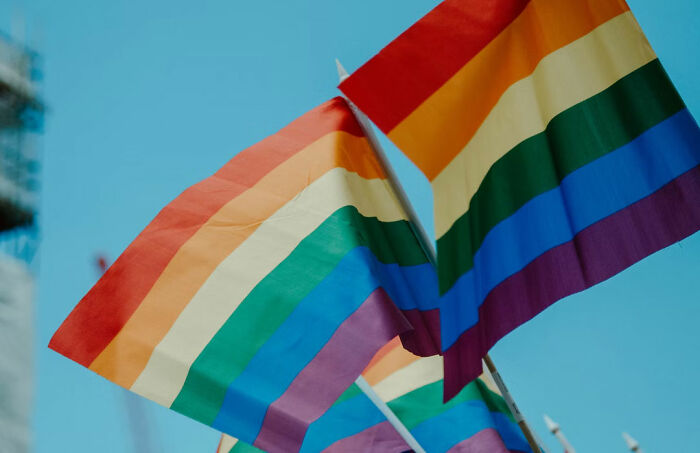
© Photo: Gioware
France. I'd say war against colonised Algeria. It is really a shameful thing involving war crimes, torture, ... A lot of veterans won't talk about it because of how ashamed they feel. Look it up.
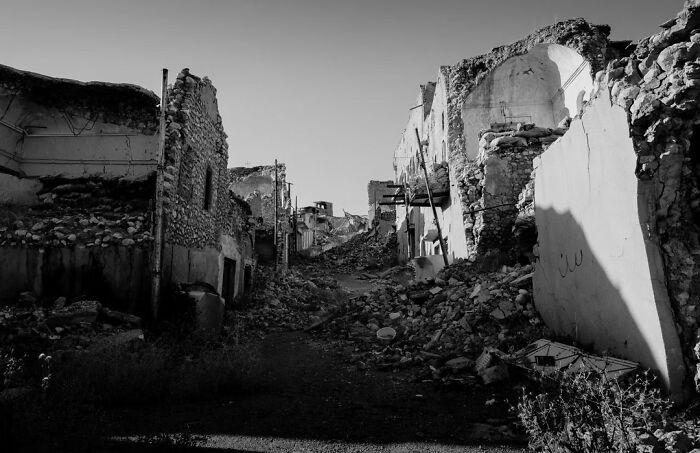
© Photo: Grand_Papi
Lithuania often ranks among the top countries by suicide rates. It's like ~1/4000 lithunians is gonna [end] themselves.
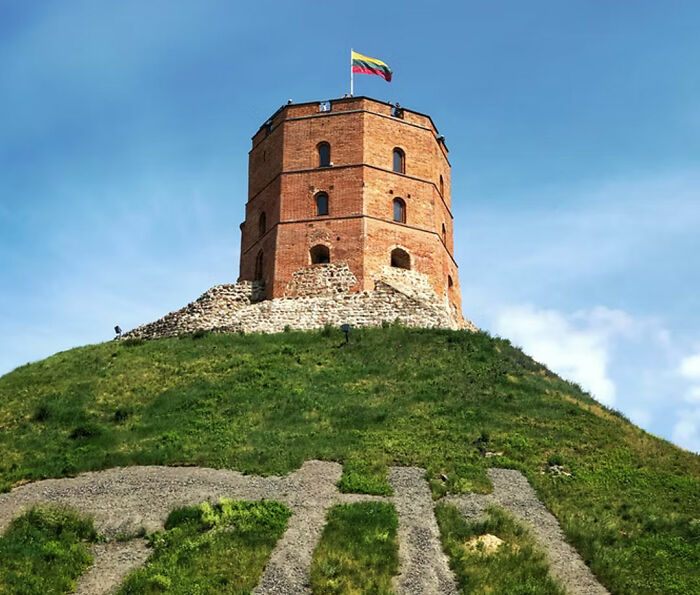
© Photo: TheMantasMan
United Kingdom. King Edward VIII was a N**i sympathiser; he and his wife visited Germany in the 30s to have dinner with Hitler and inspect SS troops. In the 60s, he is believed to have said to a friend: "I never thought Hitler was such a bad chap."
Romania. A few years back there was a scandal of a pediatric doctor that did extremely painful medical experiments on children he was supposed to be treating, such as putting a metal rod near their backs and putting screws into their spines to "fix" scoliosis or something similar with bones he considered weren't growing properly. He mostly targeted poor families, or families with kids with weird conditions because he figured they wouldn't be able to or have the power to question his practices. Also the fact that it's been revealed several orphanages drug the kids there and tie them to their beds to keep them compliant. I've also read a religious article of an "exorcism" that was performed on a little kid they called posessed because "he would suddenly go very still and start shaking violently" (to anyone with a brain it's obvious he was just seizing). Instead of following the procedure for a seizure, which is making sure he isn't in danger of hurting himself by bashing his head or something, they rushed him to a church and placed him on the floor there (and it wasn't a soft floor by any means). Or the fact that we've had gay people thrown in prison for being gay several years after communism fell (I think either late 90's or even early 00's). Or, not that sinister but just plain stupid and more recent: the church brought "moase" (aka remains of "saints") during the current pandemic and hundreds of people just lined up to kiss them, all on the same spot too :) (it's a /s smile, don't get me wrong).
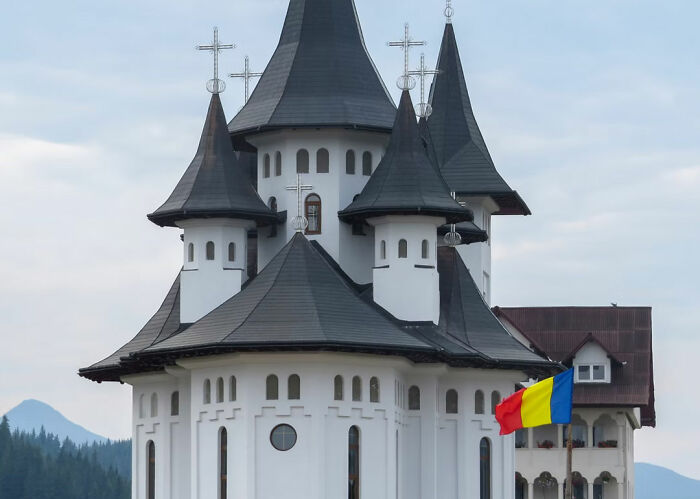
© Photo: kriiiiiis
Switzerland. "Verdingkinder" basically orphans used as slavelabor. They were often mistreated. There is a movie about it if anyone is intrested
In Ireland homosexuality was only decriminalised in 1993, after a 16 year legal battle which ended up in the European Court of Human Rights in 1988 (it took 5 years to implement the courts ruling).
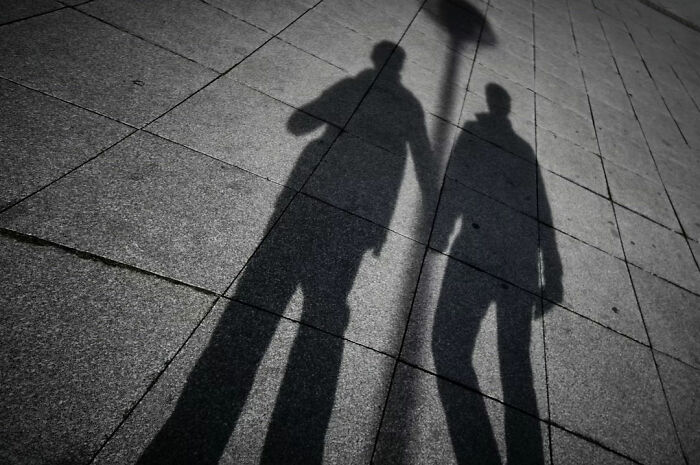
© Photo: JerHigs
I guess colonization is a dark time for many countries, in Denmark is was no different, but often you talk about the islands is the Caribbean or Africa, but the treatment of Greenlandic people has been absolutely horrible in Denmark. They have been treated 2. rank citizens, and everything was dictated from Denmark and they had little to no say in it. Still I have heard that higher education in Greenland is taught in Danish not Greenlandic, but they might have changed that?
Turkey. The years 1980-1983 were very dark years for Turkey - a paranoid nationalist military junta coupled with guerilla warfare in the countryside and massive political repression. Add torture in military prisons, kangaroo courts, and state-funded assassinations to that. Pardon my French, but the [jerk] who caused all that died before his jail sentence was approved.
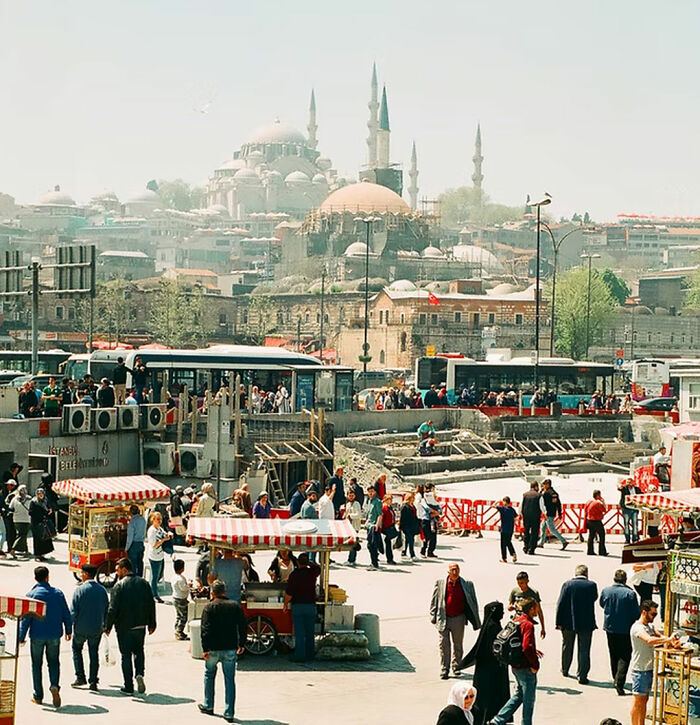
© Photo: ArcherTheBoi
Greece. We are the only country in EU where the Sharia law is still legal.
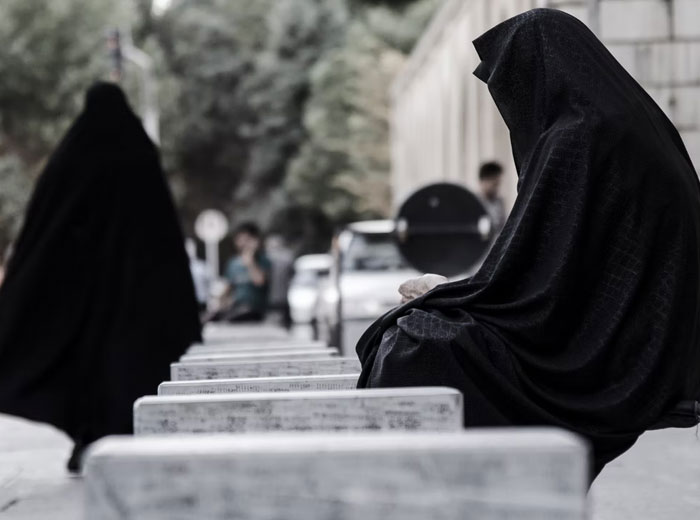
© Photo: jimijoop
I don't know if it's not known but Italy passed racial laws during WWII. More recent: the "trattativa stato mafia" aka "state-mafia negotiations" in 1993 and 1994. Essentially it was a secret negotiation between very high government figures and Sicilian Mafia chiefs, at the end of the "massacre season" in which Mafia carried out literal terrorist attacks, since there was a very strong battle against them carried out by the Palermo group (pool di Palermo). The prosecutors Falcone and Borsellino died at the end of the massacre season, after they hit hard the Sicilians with the Maxiprocesso (aka Mega-Trial)
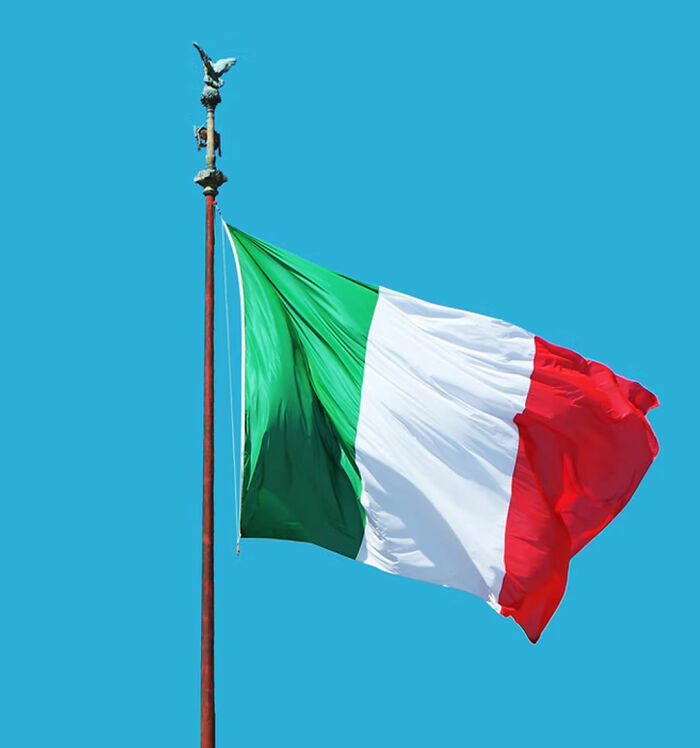
© Photo: giorgio_gabber
You might also like: Google Earth: 49 odd things people found by zooming in
Traveling is one of the most exciting things we can do in this world. Why wouldn’t we want to see as much as we possibly can of this fascinating planet? But if you’re a fan of true crime documentaries, films like Taken or shows like The Serpent, you might be a bit fearful of traveling abroad. Going to another country can be the most exhilarating experience of your life that you talk about for years to come (despite your friends begging you to stop mentioning how you studied abroad during college), but it can also turn into a harrowing experience you wish to never repeat.
Below, we’ve gathered a list of some of the creepiest and most frightening experiences traveling abroad that Reddit users have recently shared online. We don’t mean to scare you with these tales because, let's be honest, we don’t actually need to leave our home countries to encounter dangerous individuals. And the vast majority of the time, traveling creates wonderful memories. But these stories might just serve as a healthy reminder to be smart and cautious when traveling, and always be aware of your surroundings. Be sure to upvote the stories you’d like all of your fellow pandas to read, and then if you’re interested in checking out a Bored Panda article detailing more lighthearted travel stories next, you can find that right here.
Click here & follow us for more lists, facts, and stories.
Mine wasn't abroad. We were traveling from Kingman Arizona to Tucson Arizona. Car broke down and we were lucky enough to be able to get off the freeway and into a parking lot of a store in the middle of nowhere. The building was a run-down place with nowhere AZ painted on the side. It's the middle of the day at this point but in afraid. I tell my friend that this is like some house of 1000 corpses s**t. She's trying to get service on her phone and there's nothing. Then two creepy guys who look like they kidnap women and steal their skin come out from around the building. I swear I've never felt so cold. They came to the driver's side and asked what was up. We explain that the car had broken down and one guy asked to pop the hood. The other guy went into the building. He came back out with a toolbox and sealed snacks for us and the kids we had in the back seat. They fixed our car for free and sent us on our way. We couldn't thank them enough and we tipped them what we could. Several miles away the car takes a s**t again. We have service and are stuck on the side of the highway so we call my mom to come to get us. It's starting to get dark now and a big a*s truck pulls up behind us and two dudes get out. Same guys. They fixed it again and sent us on our way. We start driving and call mom to update her. We got home safely and never saw the guys again. That was seriously wild though and 2x I thought we were gonna die and 2x those guys taught me not to be a judgmental a*****e.
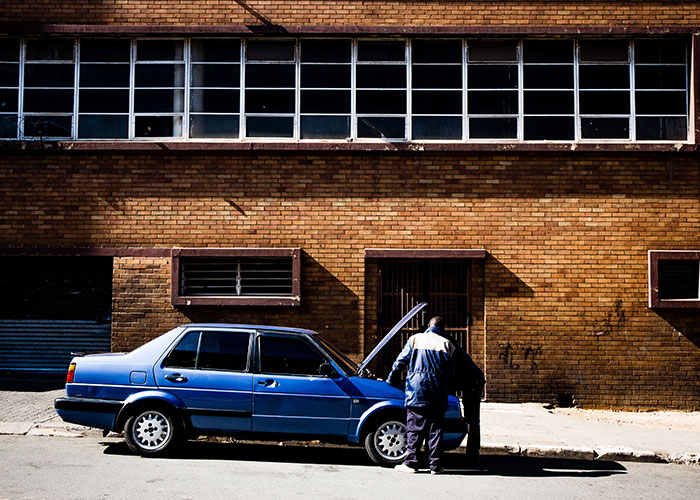
© Photo: User
A friend of mine went on a trip to Thaïland, staying at a relatively inexpensive hostel. In the middle of the night, my friend was violently woken up by hotel staff and moved to a different floor. Turns out the hotel was gassing the rooms on that floor to deal with a bed bug issue. The hotel accidentally gave guests rooms on the floor they were gassing, and didn't notice until they killed a couple.
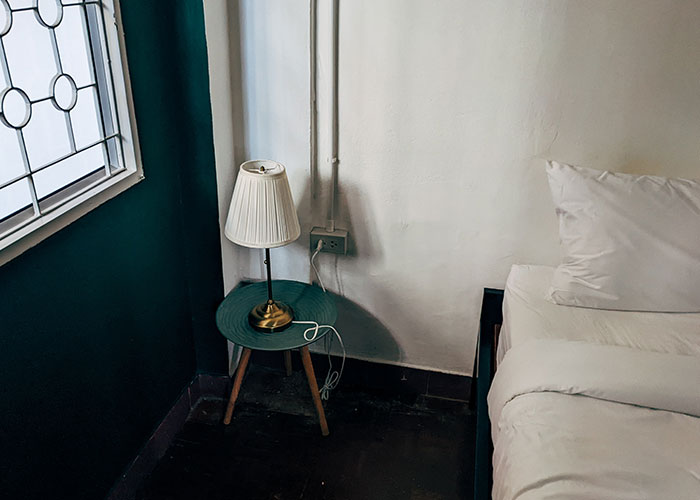
© Photo: Bakuninophile
On a train in Athens traveling alone, a group of men tried to push me off the train with them at a stop. Three women started yelling at them and pulled me back. It happened to fast I didn't know until the one that spoke English explained they were trying to take me. They made sure I made it back to the hostel and told me not to wear what I was wearing ( shorts and a tank) while alone.
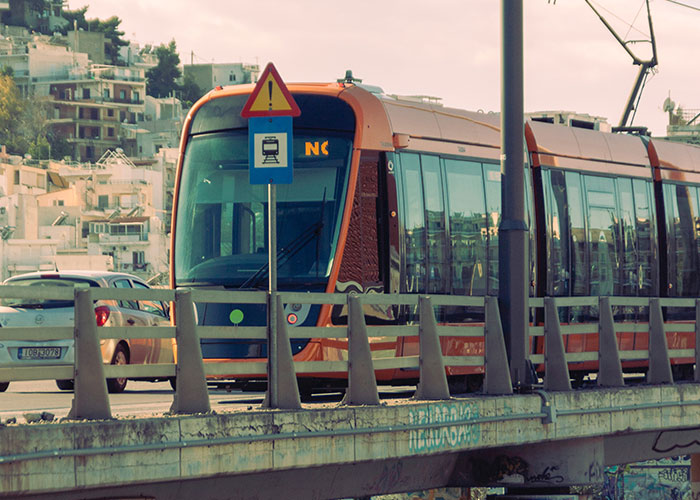
© Photo: Rhothlord
Top two. 1. Travelling across Cambodia. Get to Preah Vihear, which is disputed border territory with Thailand. See my driver talking to the armed guards and pointing towards the hill. Ask him what’s up. Gives me binoculars. Looking through those tiny glass windows, I see it’s the Thai army on the border not too far away aiming their guns at us. High tailed it out of there. That was scary in retrospect. 2. In New Zealand, of all scary places in the world (/s), trekking Fox Glacier with my boyfriend. Getting towards the end, but still at least a kilometre to go. All of a sudden there’s a loud CRACK. The stairs collapse beneath my boyfriend and plummets. I grab his hand and scream out to him to hold on but the glacier has made us wet, numb, slippery. His fingers slip through mine, and I watch him fall down the crevice, about 10metres, rolling, hitting clumps of ice, until his body stops just before a cliff, held up by a wedge of ice. My now-husband still gets shoulder and knee pain from the accident, but he is whole. I will never forget the sound I made screaming out his name down the crevice.
In India our bus rounded a corner in the mountains and another bus was on the other side of the curve. Both busses skid to a stop about 1 foot from one another. Both drivers started laughing and poking fun at each other. We saw a bus from the '80s that fell down the mountain about 15 minutes later. Hella intense.
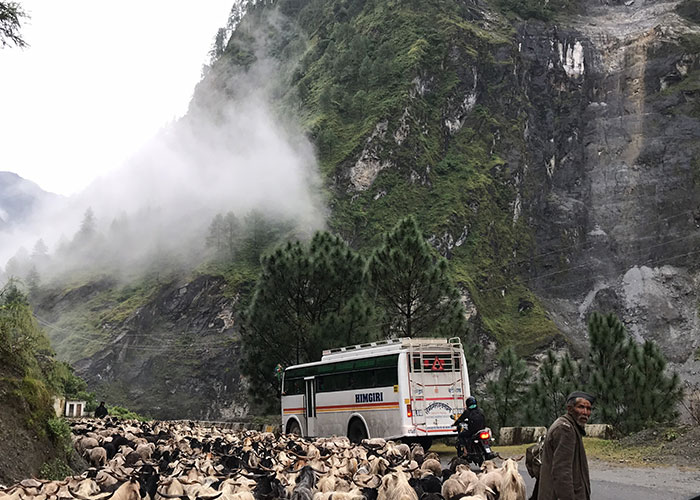
© Photo: Anl_Mouse
I was traveling by van through the mountains in the Philippines with a friend that is a really big guy. We came up on a checkpoint with soldiers searching cars. The guys we’re all wearing mismatched clothes and did not have any insignias on their uniforms or trucks. They searched all of our bags and we’re asking questions of the driver in Tagalog, which we did not speak. We heard them say American and we we’re the only two Americans on the bus. They talked for a little while and finally waved us through. Later we told the story to another American and he said we had gone through a Guerrilla controlled area where Americans had been kidnapped for ransom lately. They all agreed they did not take us because of the size of my friend. I think we got really lucky that day.
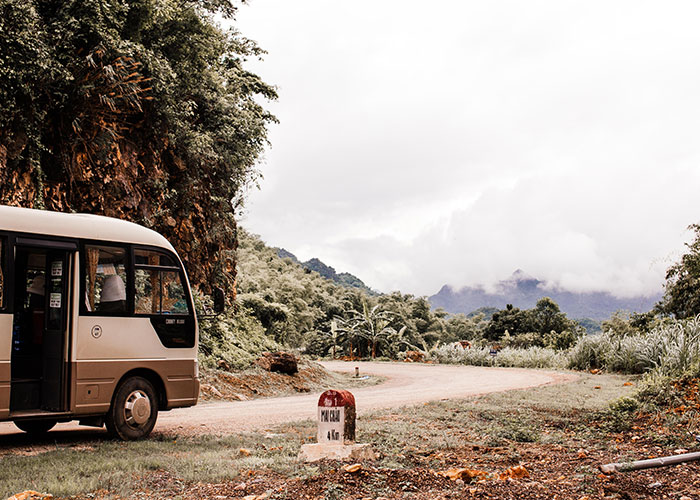
© Photo: MitchCMan
I had a pack of wild dogs chase me from my bus stop to my hotel at 3 am in Kosovo. I also had a old woman yell at me in Russian about not making my bed right on the train and then watched over my shoulder til it was to her satisfaction when I was on my way back to Bucharest from Moldova
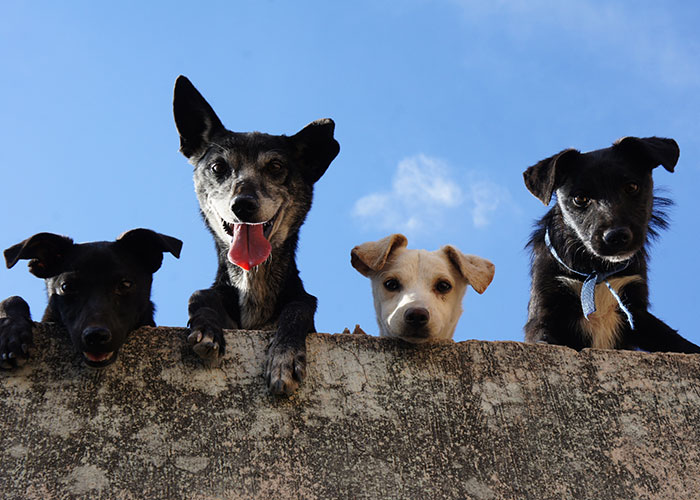
© Photo: Phil567
It was my first time visiting New York City. My aunt and uncle who both work in FiDi (Financial District) took the whole week off to show me and my family around Manhattan. It was a beautiful Tuesday morning and we just had our photos taken around Wall Street when the first plane crashed into the WTC

© Photo: budgetjohncho
A good friend of mine in Zimbabwe was grabbed at gunpoint and forced into a van, thankfully they only took her to an ATM and made her drain her account then they left her somewhere outside town. Could've been so much worse
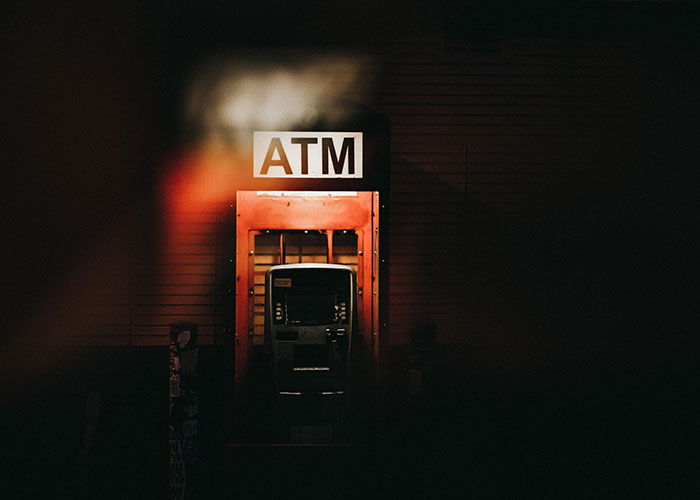
© Photo: plantman01
My buddy and I were flying into Malaysia from Vietnam on the day that MH370 went missing. We were at the gate watching the whole thing unfold about it going missing. It was playing on virtually all the TV's in the airport. We were flying Malaysia Airlines. The tickets were expensive (for a backpacker's budget) and they weren't offering any refunds. Told ourselves that maybe they'd be extra cautious now so we're actually more safe. Definitely puckered up for 2 hours until we touched down.
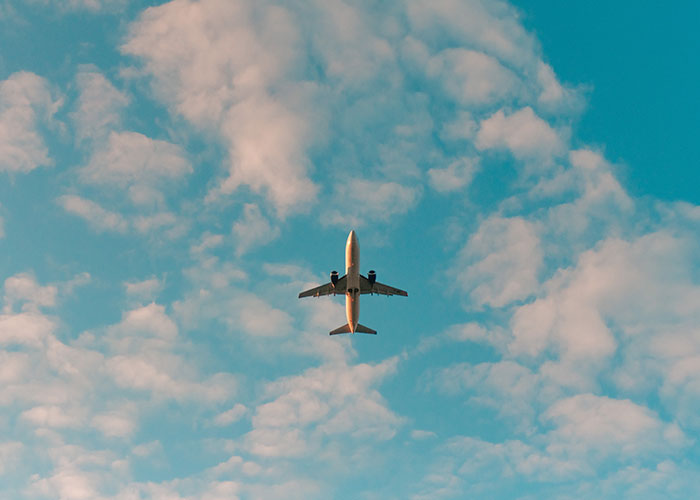
© Photo: anon
I was in a bar in Athens in 1985 when someone left an explosive device there. Of the 50 plus people injured, I was luckily not one of them. My ears rang for a couple of days and I spilled my beer but that was it.
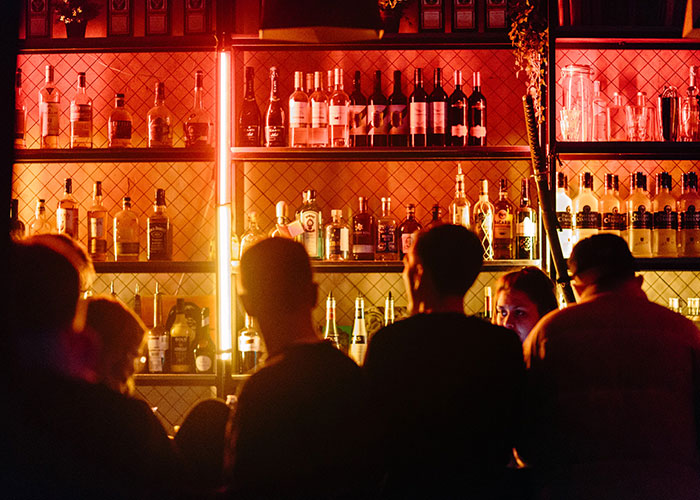
© Photo: tnbadboy1965
Was on a flight once going into Orlando that hit some unexpected turbulence. This was no ordinary turbulence. We went from 0 to 100 in an instant. People literally flew out of their seats, luggage fell from the overhead bins, people screamed like they were going to die. There were several sudden drops in elevation strong enough that people's arms flew up in the air and my b**t came out of the seat. I've flown quite a bit and sometimes it gets bumpy. This was the first time I seriously thought something bad was going to happen.
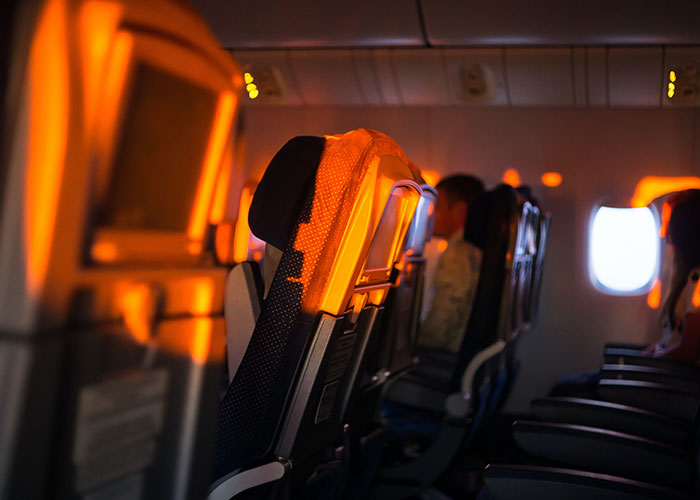
© Photo: athrix
I was walking around in a town in Algeria. I wandered in to a neighborhood, and noticed there were hardly any people out. A little further, and there were literally no people out. I started to feel a little uneasy. And then I see an extremely tall man walking towards me, straight towards me, obviously with intent. He gets closer, and I see an older gentleman with a long grey beard and wearing a grey tunic. I stop. He comes right up to me and says, in pretty good English, “you’re not safe here, we need to get you off the street”. I say “OK”, and he says “follow me”. We walk a few blocks and we come to a door, he says “wait here a minute”, and he goes inside. He opens the door again and invites me in. When I get inside, there are maybe a dozen men. They are all dressed in black, and they are staring absolute daggers at me. Grey-beard lays in to them, starts shaking his fists at them, gets really worked up. Then one of the younger guys goes in to the kitchen and brings out some tea and cookies, and offfers them to me. So, I’m drinking tea, and trying to smile, and one of the young guys asks where I’m from and I say “The States” and he starts talking about the CIA and stuff... and then I say “you think the CIA is bad here? Let me tell you about Central America”, and then pretty soon everybody is warming up to me and we’re laughing and talking s**t about American foreign policy and drinking tea. After a bit of that the older man invites me back to his apartment. He has a huge library. I gift him a book that I had finished. And then he tells me what had just happened. His little brother, who was one of the younger men, was the leader of a radical group, all the other men I had met. He had overheard them getting ready to kidnap me. But he had shamed them for not being good hosts, and for disrespecting him because it was his house. He said that I would be safe from then on. TLDR: Gandalf saves my life and got a copy of Zen and the Art of Motorcycle Maintenance for his trouble.
Friend of a friend went to Jamaica with her parents and sister when she was about 12. They came back to their hotel room one day to find a guy in there trying to rob them. He stabbed the girl's dad (he lived) and escaped. They had to go through family therapy after that.
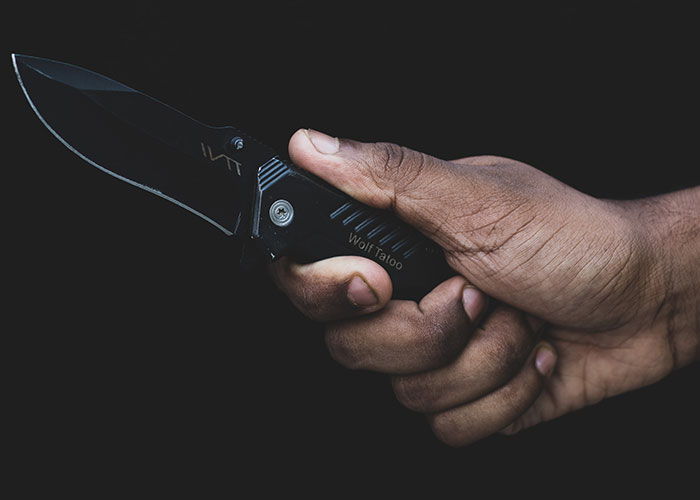
© Photo: anon
I was walking to a pharmacy down a busy avenue in Rabat, Morocco. It was the Feast of the King so most people had off work and school, meaning the avenue was empty. Myself and two volunteers (all three young, white females) are walking and chatting when two guys on a motorbike pass us the opposite way. They drove over the median and pulled up beside us. The guy on the back gets off and walks toward us then pulls a machete out from underneath his flannel. Girl 1 throws her purse, Girl 2 throws her phone, and both go running. Guy comes after me and I wrap my hand around my purse (had my passport, wallet, phone, etc.) and he holds the machete up to my neck. I say a few choice words to him in Arabic (essentially “Shame on you by Allah”, which is something I was taught by locals to keep the kids I was working with at an orphanage in line). Machete man promptly appears to s**t his pants. He goes after the dropped phone and purse and I start running the rest of the way to the pharmacy. I wind up there crying and the other two girls meet me. People are starting to congregate. Some witnessed it while driving by while others are trying to translate for us. A woman says she will drive us home after speaking with the security guard at the pharmacy. We agree and get into a minivan. I provide directions in Arabic and the woman drives right past the house, blowing stop signs and ignoring traffic lights. It’s then we realize we’re about to get kidnapped. One of the two girls reached forward, opened the door of the van, and we jumped out while it was moving. TLDR: Held up at machete-point then almost trafficked in Morocco during my first international travel experience.
Guy in Aruba tried to kidnap/r*pe me, I think. I'm a single female and found a crazy cheap ticket out there. Decided to use it as a chance to get my advanced diver certificate. Anyway, I went on a horse riding trip where the tour picked up a group in a minivan. On the way back, the driver skipped my stop and dropped off the last riders at their hotel. After a moment of confusion (I was unsure of my surroundings, but felt like this was wrong), I asked why we drove past my place. The driver said "oh I'm taking a different way." And I said, "that really doesn't make sense. The traffic is fine. It's more direct this way. Can we just go back?" He was quiet and kept driving, and now my heart was pounding so hard I could hear it in my ears. He said, "there's a really great beach down this way; not many tourists." At this point he was driving through the backside of a shopping complex, nobody in sight, dusk, and I was considering if I should try to jump out of a moving vehicle... but because I'd get stranded in an empty parking lot, it'd be all too easy for him to grab me again. Instead I said "I can't. There are people waiting for me. I just texted them saying I'm in the car on the way home and will be there in a few minutes. I'll be late if we don't go back now." Somehow that worked, he turned the car around and his whole attitude changed. He started telling me how he had a wife and kids. My heart was thundering, but I think I sounded normal. (Also I had 0 cell phone reception. The story about the text was a lie, and I had no way to phone for help if he called my bluff.) F*****g scary. If that s**t happens on a tour when you go in a decent sized group, I have no idea how you stay safe as a single female traveler.
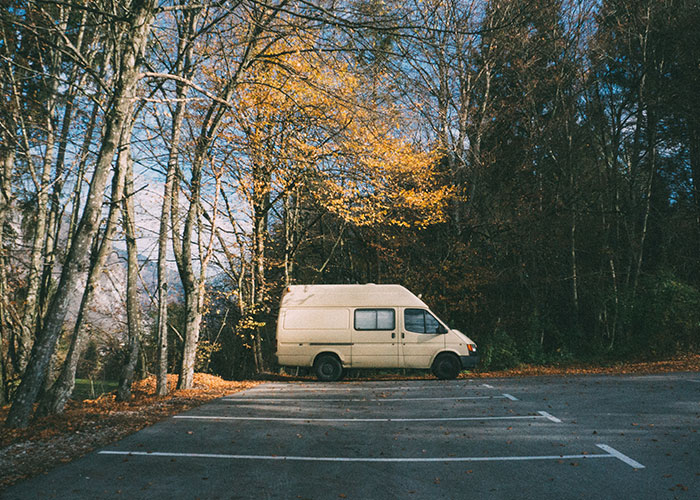
© Photo: User
We went on a family trip to Croatia and on our way to the beach we pulled over to the side of a road for a pee break. So we opened the car door and like always our dog jumps out first. He ran into the field right next to the Street. Then suddenly my mother starts screaming the name of our dog because 10 meters away from our car was a sign that said: Stay Away, an old minefield. Thankfully nothing happened
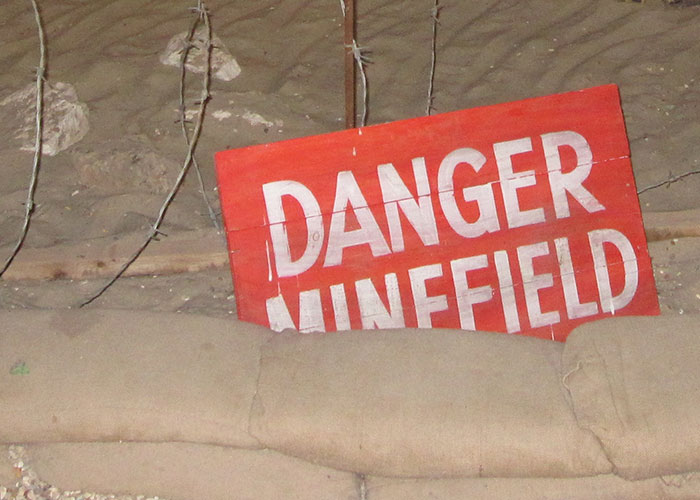
© Photo: mephistosoos
Got pickpocketed by a group of 3 on a Paris metro. I'm paranoid of losing my wallet, so I'm always checking myself. When I realized it was missing, I made a bigger scene than the pickpockets were making (they shoved me into their friend and were trying to convince people I knocked him down). I stopped the train from leaving the station. One of the other passengers left to get got conductor and security. I guess that didn't sit well with the pickpockets, so they gave me back my wallet and took off running. Edit: This event still freaks my wife out.
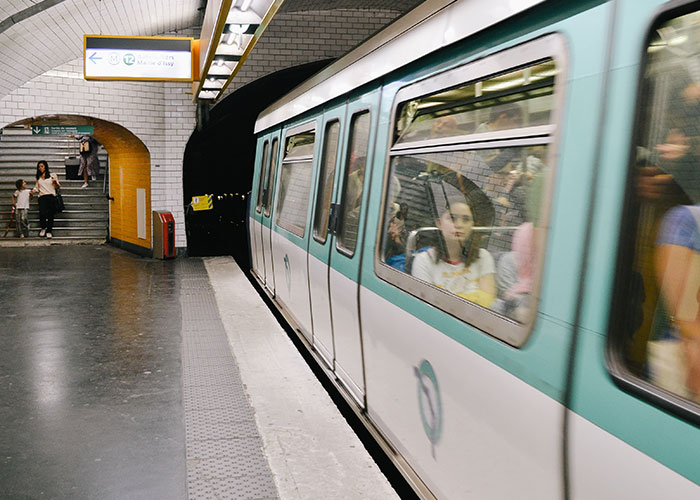
© Photo: User
1992 I was walking up the stairs to the ticket booths in the Warsaw, Poland central train station. All of a sudden this dude is falling down the stairs coming to rest a few stairs above where I was standing. Dude had a long screw driver sticking out of his abdomen.
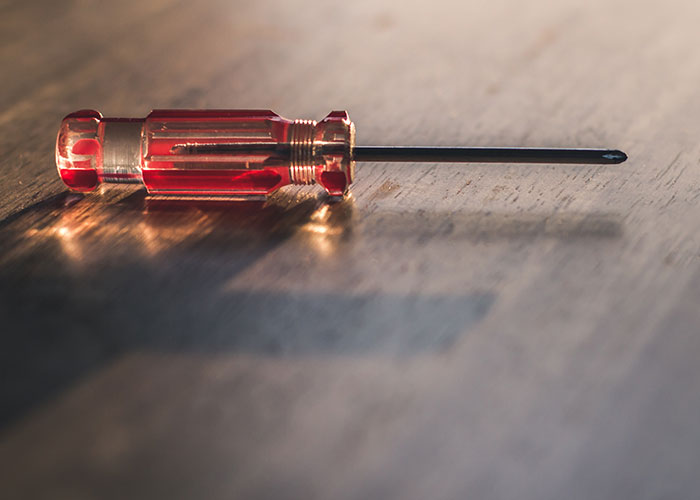
© Photo: albs68w
I was working at the Sochi Olympics and saw a pack of stray dogs chase and take down one of our teams translators before people scared them away. That was an eye opener.
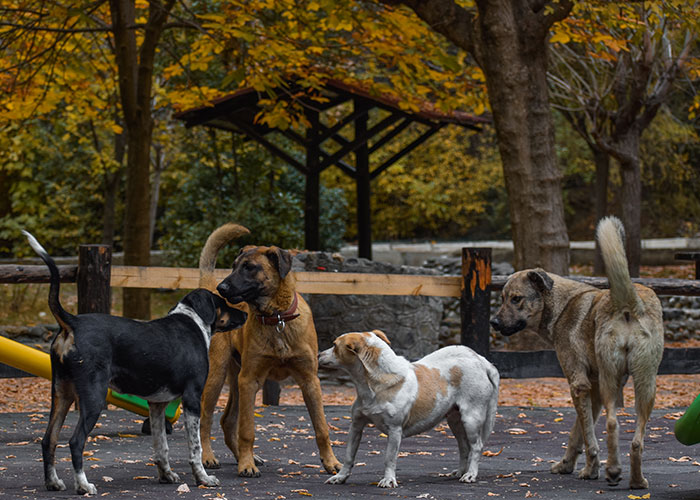
© Photo: oldmanchewy
Husband had a month long job in Japan. We joined him for the last week of his gig. My daughter and I had made reservations about two months ahead of the trip to go to the Ghibli Museum in Mitaka (an hour by train outside of Tokyo). Since we didn't know husband's work schedule, only got tickets for her and I. Found out last minute that he had the day off so he came with us. They managed to find him a ticket and he joined us. We left earlier than planned because he had to get back for a 5:00 call. We would continue on up to Harajuku after his subway stop. Two stops before we would have parted ways, the train came to an immediate stop and frantic Japanese came over the speaker. Shortly after that, the car started rocking. And kept rocking. And kept rocking. For about ten minutes. Hubs said he realized it was bad when he saw people taking out their phones and start texting (something you never saw on the subway). After half an hour, the car slowly crawled to the next station. A friendly English speaking woman informed us that there had been a bad earthquake, and the trains were shutting down. We walked the two miles back to the hotel and met up with the rest of his crew. We had to stay in the lobby for eight hours while maintenance checked the building for damages before we could go up to our rooms. The aftershocks continued for the next five days before we flew back home. We were in the Tokyo subway for the Tohoku earthquake on March 11, 2011. I can honestly say, I didn't start getting nervous until they started talking about needing to take iodine table because of the power plant emissions. And it wasn't until we were back home and watching all the news specials about the quake and tsunami that I realized how truly dangerous the situation had been. Mid western ignorance on earthquakes saved our trip, I guess.
The first time I ever visited the London Bridge was the day the terrorist attack happened where they drove a van through the crowd.
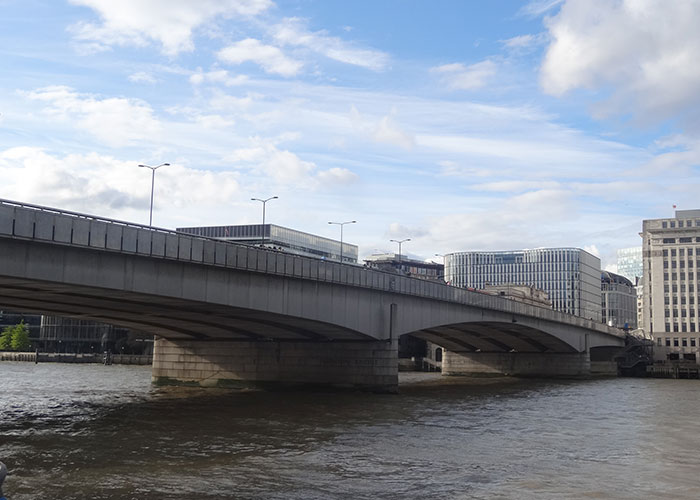
© Photo: din7
A friend and I were waiting for a night train in Naples and after someone tried to steal our bags decided to go everywhere together. It was a good thing because a man who had been whistling at us for an hour tried to follow us into the bathroom.
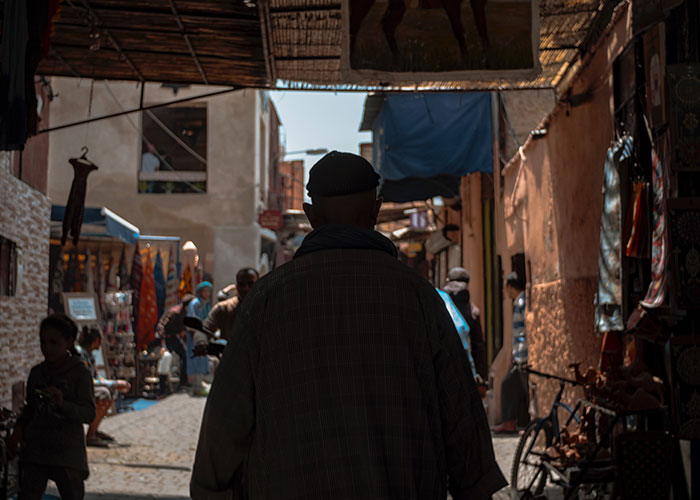
© Photo: krthomso
A cult behind several murders in China tried to recruit me for some reason.
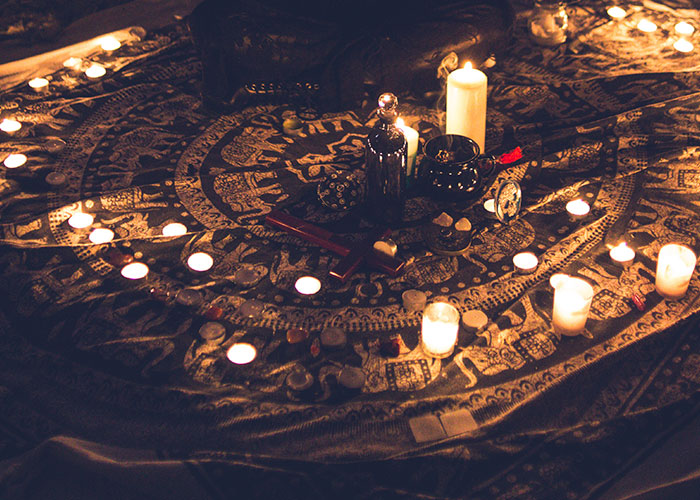
© Photo: KommandCBZhi
I fell asleep on a long-distance bus in Greece and woke to a toothless old woman running her fingers through my hair. She kept repeating something in Greek over and over; other riders found it hilarious but wouldn't tell me what she was saying. Unfortunately I couldn't get off the bus, so I had to make her get away from me, and then sat there [angry] off and embarrassed for the remaining 90 minutes of the trip
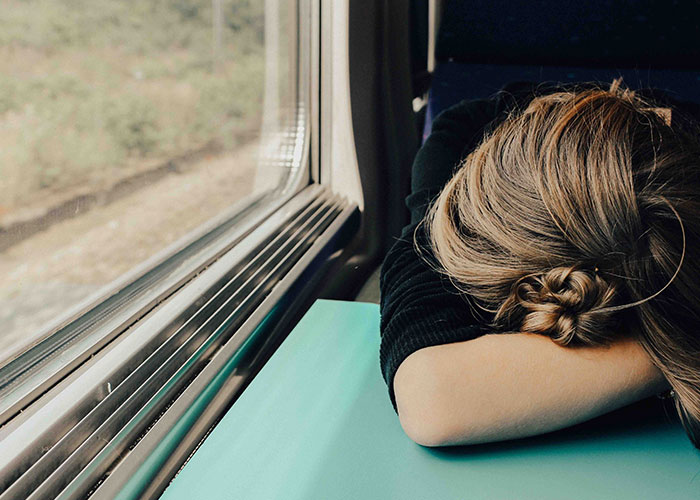
© Photo: _Z_y_x_w
A handful of men in Thailand were vehemently trying to haggle with my friends to purchase me. They kept pulling my arms to try and seperate us and asking "how much" and offering different amount of money. Edit: Jesus this blew up! Thailand is a very beautiful place and very safe for travel, guys! The place I was at, Pattaya Beach, is the central location where we are allowed to stay when the ship pulls into port. It's basically nothing but bars and brothels. Don't go there. I don't know why they even let *us* go there. Even if you did go, you'd most likely not be in any danger, the people are very helpful and kind but every place has bad people and we happened to run into them. I'm not even sure if these men were Thai. Don't let this freak you out from going. SEA does have a dark underbelly of human trafficking but it's pretty unlikely you will be involved in it as a tourist. And everyone who is freaking out about the Sailors "buying" underage girls; they're just stupid kids who want to get their d**k wet. They have literally no idea that these girls are underage and just think they're paying a prostitue. Most of these idiots can't even fathom that child trafficking is a thing. We make every effort possible to keep this from happening and inform our Sailors about what is really going on. Your average US servicemember is just as disgusted as you are that this happes to children.
© Photo: ImTotallyNormalish
I was traveling in Costa Rica with two flashy businessmen who were there to possibly purchase a gentleman’s club. We were staying at the Radisson and asked the concierge to get us a cab to the club. We got in the cab and made sure that the driver knew where we were going. We were told it was a 10 min drive. About 7 min in I realized that we were not in a touristy part of town. At all. The driver is whispering into his phone in Spanish, staring at us in the rear view mirror. I get uneasy and look at my companions, who are clearly feeling the same way. We ask “are we almost there?” Oh si! Uno momento. More whispering. Not good. We are being set up. It’s been 10 minutes and we are in a sketchy residential area. I’m sitting in the middle and my partner opens his briefcase and hands me a pen and tells me to stab someone if I need to. What?! He passes another pen to the other man. He’s sitting directly behind the driver and takes his own gold pen and holds it to the drivers jugular and screams “TAKE US BACK TO THE RADISSON RIGHT F*****G NOW”, the partner snatched the drivers phone and hangs up. I’m just clutching the pen. We did make it back to the Radisson. The jewelry was deposited into the safe in the room for the rest of the trip and we eventually made it safely to the club. I was young and naive, I had had my passport for 3 days at this point and didn’t really get that we shouldn’t have been traveling there with that amount of flashy jewelry.
I was working in a poor community in a small village in Romania (helping to build a small extension to a school), at around dusk I decided to go for a short walk to the local shop for some water when a car drove past me. They suddenly broke and reversed down the road and stopped beside me, telling me to get into their car as they want to show me their cool things (radios, cars, knives) they kept slowly curb-crawling me and demanding I got in the car until I got back to my group whereby they sped off. For the next couple of days the same car (I believe) kept driving past and stopping outside where we were staying (for 30 minute intervals several times a day) and I was staying a good hour away from the village. Creepy as all h**l and I still believe it could have gone badly.
© Photo: User
I was on a volunteer trip to Guatemala and we took a day trip to see some Mayan ruins on a small island. My friend and I were looking for a bathroom and several locals pointed us in the direction of one at the top of the mountain. We found a small building with no door and one toilet. My friend says I can go first and she’ll stand watch. I start going about my business when I hear my friend saying that I should hurry up and then I hear a mans voice shouting something in spanish about “permiso”. Out of no where he barges in while I’m mid pee pointing a very large gun at me. He had some sort of uniform on so he may have been police but I’m not sure. I pull up my pants, completely paranoid, grab my friend, tell the man Lo siento over and over and run as fast as I can down the hill. He was shouting after us but didn’t follow. Although nothing happened I was terrified and my poor friend still had to pee!!
Gypsies in Romania tried to (what I can only assume) sell me a baby... The woman, who looked like she was using since the day she first saw light, kept a one sided haggling conversation in her own language all the while shoving the tiny child at me. The swarm of children aged between 2-12 kept touching me and what I can only imagine is "appraising" my clothes... This didn't really end until I had to raise my voice and go serious. I walked away and went back to the village where I was staying with a friend of mine at his distant relatives' house. After telling our hosts the bizarre tale attempted human trafficking, they proceeded to inform me that the child was most likely stolen from somewhere else in Romania, another town most likely. It was apparently a local racket, reselling newborn kids to international tourists. What really gets me is the way in which they were telling this story. As if it was business as usual. P.S. Hosts where very kind hospitable people. Lead tough lives though...
You might also like: Google Earth: 49 odd things people found by zooming in
 30 millions de voyageurs ont adopté l'eSIM Airalo pour rester connectés partout. Découvrez les raisons de ce succès fulgurant.
En mai 2026, Google déployait sa dernière Core Update en date. C'est au tour de la mise à jour des algorithmes anti-spam de repointer le bout de son nez.
Comme le précise Google dans sa communication : « Nous avons déployé aujourd'hui la mise à jour anti-spam de juin 2026 pour la recherche Google. Il s'agit d'une mise à jour anti-spam classique, qui sera déployée dans toutes les langues et régions. Le déploiement complet peut prendre quelques jours. Pour plus d'informations sur les mises à jour anti-spam, consultez la page : https://lnkd.in/gshkDEU3 »
Retrouvez toutes les dernières updates de Google sur notre page dédiée.
Les mises à jour anti-spam ciblent spécifiquement les pratiques de spam sur les sites web, comme le contenu généré automatiquement en masse, le contenu de faible qualité ou dupliqué, les redirections trompeuses, et d'autres abus visant à manipuler le classement. Elles ont pour objectif de nettoyer les résultats de recherche des contenus trompeurs ou abusifs en améliorant les systèmes automatisés anti-spam de Google.
Les mises à jour du cœur de l'algorithme (Core Update) sont à la fois plus larges et profondes. Elles permettent de réévaluer la qualité, la pertinence et la satisfaction des contenus affichés dans les résultats de recherche. Contrairement aux spam updates, ces mises à jour ne ciblent pas spécifiquement le spam.
Pendant la mise à jour : rien. Attendez la fin de la mise à jour avant de faire des analyses et d'identifier les pages ou rubriques touchées. Vous pouvez également réaliser un audit SEO afin de vous aider à corriger les problèmes.
Si vous êtes impacté par une SPAM Update, consultez les règles de Google en matière de spam afin de vous assurer que vous les respectez. Apporter des modifications peut aider votre site à s'améliorer si Google ne détecte plus de spam sur votre site. Néanmoins, dans le cas d'une mise à jour spécifique au spam de liens, apporter des modifications peut ne pas entraîner d'amélioration :
Lorsque nos systèmes suppriment les effets que les liens spammeurs peuvent avoir, tout avantage en termes de classement que ces liens pouvaient générer auparavant pour votre site est perdu. Les avantages potentiels en termes de classement générés par ces liens ne peuvent pas être récupérés.
Si ce concept d'Update est nouveau pour vous ou vous inquiète, on vous conseille ces articles :
Rendez-vous dans quelques semaines pour faire le bilan de cette Spam Update !
Rester informé des dernières évolutions de l'algorithme de Google est nécessaire pour tous les propriétaires de sites. Les core updates peuvent avoir un impact majeur sur le trafic, et anticiper ces changements offre un avantage concurrentiel. On vous explique avec quels outils suivre les mises à jour des algorithmes de Google !
L’article "Google Spam Update de Juin 2026 : les algorithmes anti-spam mis à jour" a été publié sur le site Abondance.
Lancé plus tôt cette année, le rapport de performance IA de Bing Webmaster Tools répondait à une première question fondamentale : où mon contenu est-il cité dans les réponses générées par l'IA ? C'était un premier pas utile, mais insuffisant face à la complexité croissante des systèmes de réponses IA.
Ces systèmes ne fonctionnent pas comme un moteur de recherche classique. Ils synthétisent des informations issues de plusieurs sources à la fois, dans des contextes très variés. Un simple comptage de citations ne suffit donc plus pour comprendre sa visibilité réelle.
C'est pour répondre à ce besoin que Microsoft introduit aujourd'hui quatre nouvelles capacités, disponibles en preview mondiale. Des fonctionnalités présentés sur le Blog Microsoft Bing par Krishna Madhavan, Meenaz Merchant, Saral Nigam et Trishna Shah.
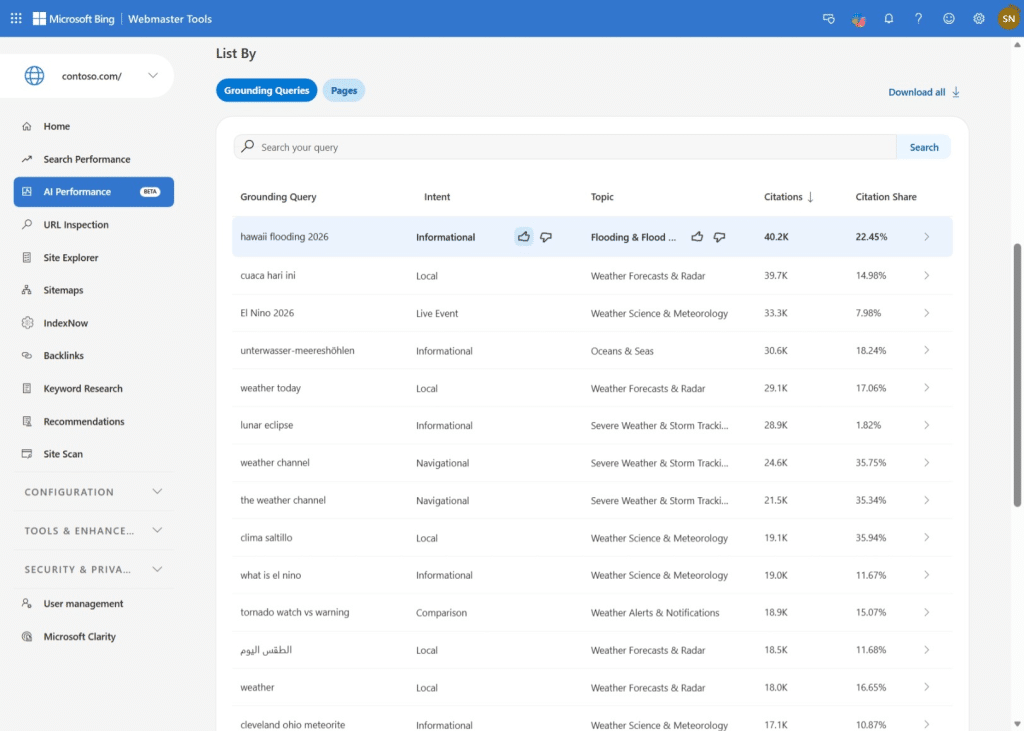
La première nouveauté, Intents, classifie les requêtes de grounding (les requêtes qui fondent les réponses IA) en grandes catégories : Informational, Commercial, Navigational, Learn and Solve, Research, Creation, Local, et d'autres encore.
Pour rappel, le grounding désigne les sources et les données web que le système IA utilise pour appuyer et citer ses réponses. Jusqu'ici, les éditeurs voyaient quelles requêtes avaient déclenché une citation, sans comprendre dans quel type d'expérience IA leur contenu avait été mobilisé.
Avec Intents, un éditeur e-commerce pourra par exemple constater que son contenu est surtout cité dans des contextes de comparaison ou d'achat, tandis qu'un éditeur éducatif découvrira peut-être que ses articles sont majoritairement surfacés dans des interactions de type « recherche » ou « apprentissage ». Ces informations permettent d'affiner la structure et la profondeur des contenus en fonction des types d'expériences IA où ils apparaissent.
La deuxième fonctionnalité, Topics, regroupe les requêtes de grounding en clusters thématiques plus larges. Là où un SEO traditionnel raisonne requête par requête, les systèmes IA, eux, raisonnent par concepts et thèmes.
Par exemple, des requêtes comme « panneaux solaires », « efficacité de l'énergie solaire » et « installation solaire résidentielle » pourraient toutes être regroupées sous un cluster thématique « Énergie solaire ». Les éditeurs obtiennent ainsi une vue d'ensemble des grandes thématiques qui génèrent de la visibilité IA pour leur site.
Cette approche est particulièrement utile pour les équipes éditoriales, qui pensent naturellement en termes de thèmes et de territoires éditoriaux plutôt qu'en mots-clés isolés. Topics permet d'identifier les zones d'autorité émergentes, de repérer des lacunes dans la couverture thématique, et de mieux comprendre comment les systèmes IA regroupent sémantiquement les contenus.
Microsoft précise que ces classifications reposent sur des systèmes d'IA/ML en évolution. Pendant la phase de preview, certains labels peuvent encore être assez larges, notamment pour les domaines très spécialisés. La précision est attendue en hausse au fil du temps.
La troisième fonctionnalité apporte une dimension comparative. Citation Share calcule le pourcentage de citations attribuées à un site donné, par rapport à l'ensemble des citations affichées pour une même requête de grounding.
En clair : en plus de savoir si vous avez été cité, vous pouvez savoir quelle part de l'espace de citation vous avez occupée pour cette requête. Un site peut être cité régulièrement mais ne représenter qu'une infime fraction des sources mobilisées sur un sujet. Citation Share rend visible cette réalité.
Microsoft insiste sur le fait que cet indicateur est conçu comme une métrique d'observation, non comme un système de classement ou un score compétitif. Il n'expose pas les domaines concurrents, ne représente pas une part de trafic, et n'attribue pas de note de qualité au contenu. Son objectif est de permettre aux éditeurs d'identifier les zones où leur représentation dans les réponses IA est forte ou, au contraire, fragmentée entre de nombreuses sources.
Les patterns de citations peuvent évoluer pour de nombreuses raisons : changements dans les comportements utilisateurs, évolution des modèles IA, signaux de fraîcheur, cycles de mise à jour des partenaires, et mutations plus larges du web.
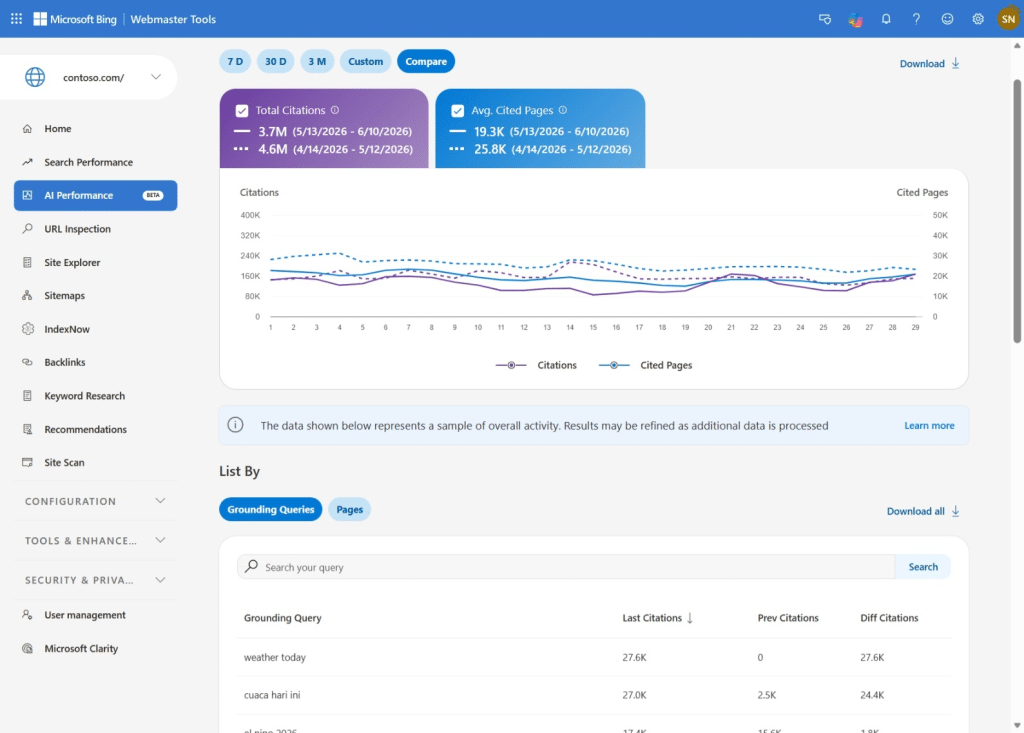
La quatrième fonctionnalité, Compare, permet de superposer une période précédente à la vue de reporting actuelle. L'objectif est de visualiser facilement comment l'activité de citation évolue, et de mettre en relation ces variations avec des mises à jour de contenu, des effets saisonniers, des changements de la demande, ou des évolutions plus larges de l'écosystème.
Les éditeurs peuvent par exemple comparer les 30 derniers jours avec les 30 jours précédents, ou définir des plages de dates personnalisées pour analyser des tendances plus longues.
Compare ne cherche pas à expliquer les causes des variations, mais à les rendre visibles de manière claire et directe, pour que les éditeurs puissent former leurs propres hypothèses et ajuster leur stratégie de contenu en conséquence.
Pris ensemble, Intents, Topics, Citation Share et Compare marquent un changement d’approche dans la manière dont Microsoft outille les éditeurs face à l'IA. Plutôt que de réduire la visibilité IA à un score unique ou à un simple comptage, ces fonctionnalités proposent un ensemble de signaux complémentaires :
Pour les praticiens du GEO, ces données sont directement exploitables pour orienter les décisions éditoriales : sur quels sujets renforcer l'autorité, dans quels types de requêtes IA mieux se positionner, et comment suivre l'impact des ajustements de contenu dans la durée.
Ces quatre fonctionnalités sont disponibles dès aujourd'hui en preview mondiale dans Bing Webmaster Tools. Microsoft invite également les utilisateurs à partager leurs retours directement depuis l'interface du tableau de bord via une nouvelle fonctionnalité de feedback intégrée.
L’article "Bing Webmaster Tools enrichit son rapport de performance IA avec quatre nouvelles fonctionnalités" a été publié sur le site Abondance.
After featuring the Travel, Wildlife and Animals, and Nature categories from the 2025 Chromatic Awards, we’re now turning to another powerful part of the competition: the People category. Dedicated to color photography, the Chromatic Awards brings together work by both professional and amateur photographers, celebrating images that use color in expressive, memorable, and visually striking ways.
In the People category, that focus shifts toward human stories, emotions, traditions, work, relationships, and everyday life. The awarded photos featured in this selection capture people in a wide range of settings and circumstances. Some images feel intimate and personal, while others document cultural traditions, labor, community, movement, and hardship. Together, they show how much a single human-centered image can reveal when composition, color, timing, and emotion come together.
Scroll down to see the photos, and don’t forget to upvote the images that stood out to you the most.
More info: chromaticawards.com | Instagram | Facebook
2nd Place Winner in the People Category, Amateur Division Location: South Sudan Description: “In the Mundari cattle camps, kids are doing most of the daily work. Kids collect the fresh cow dung and put it into piles which are then set on fire. Those fire are useful as they repel the (extremely) numerous and voracious flies and mosquitoes of the South Sudanese countryside.”

© Photo: Chromatic Awards
Honorable Mention in the People Category, Amateur Division Location: Oprtalj, Istria, Croatia Description: “From the ashes rises a phoenix. A photo taken on fire festival in Oprtalj, Istria.”
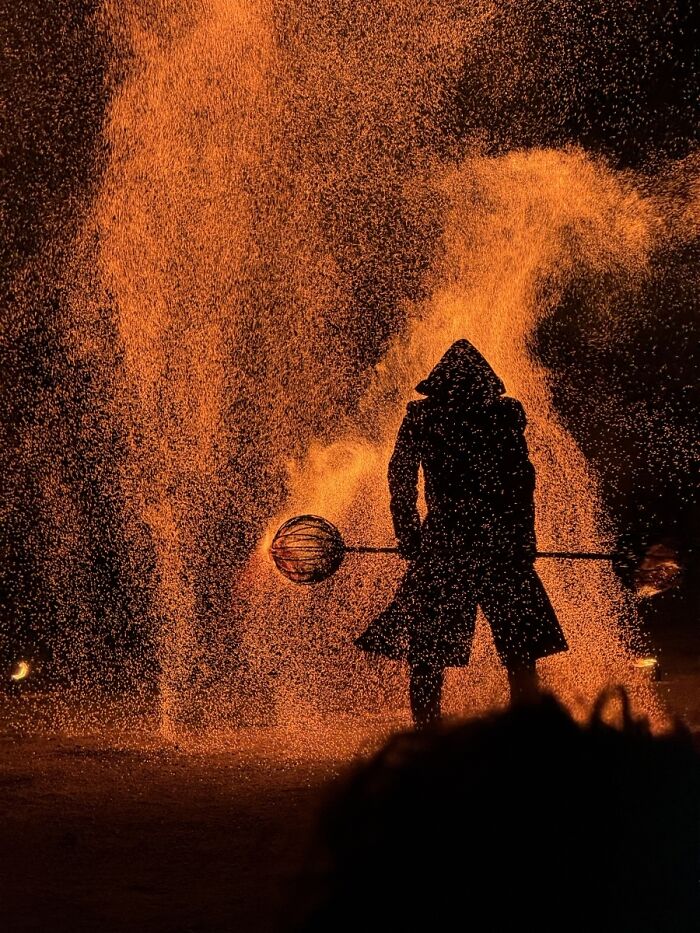
© Photo: Chromatic Awards
1st Place Winner in the People Category, Professional Division Description: “The morning mist has not yet dissipated, and the tea leaves stretch into jade ripples on the bamboo plaque. The old tea master's calloused palm gently strokes the tea cake, kneading the rhythm of time's sedimentation into every leaf vein. The young apprentice tiptoed to adjust the tea formation, his clothes stained with the fragrance of the mountains, and the light and shadow flowed between the tea ridges, frozen into a poetic line intertwined with inheritance and time.”
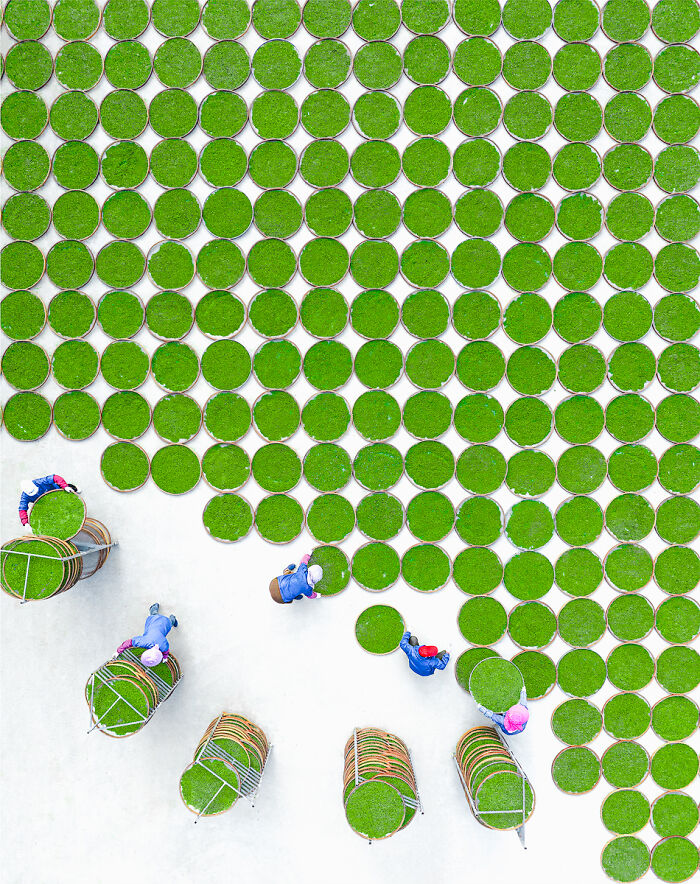
© Photo: Chromatic Awards
Honorable Mention in the People Category, Professional Division Description: “My first Holi fest had just ended and in her eyes, I saw other universes, a vastness of emotions that cannot be explained in words.”
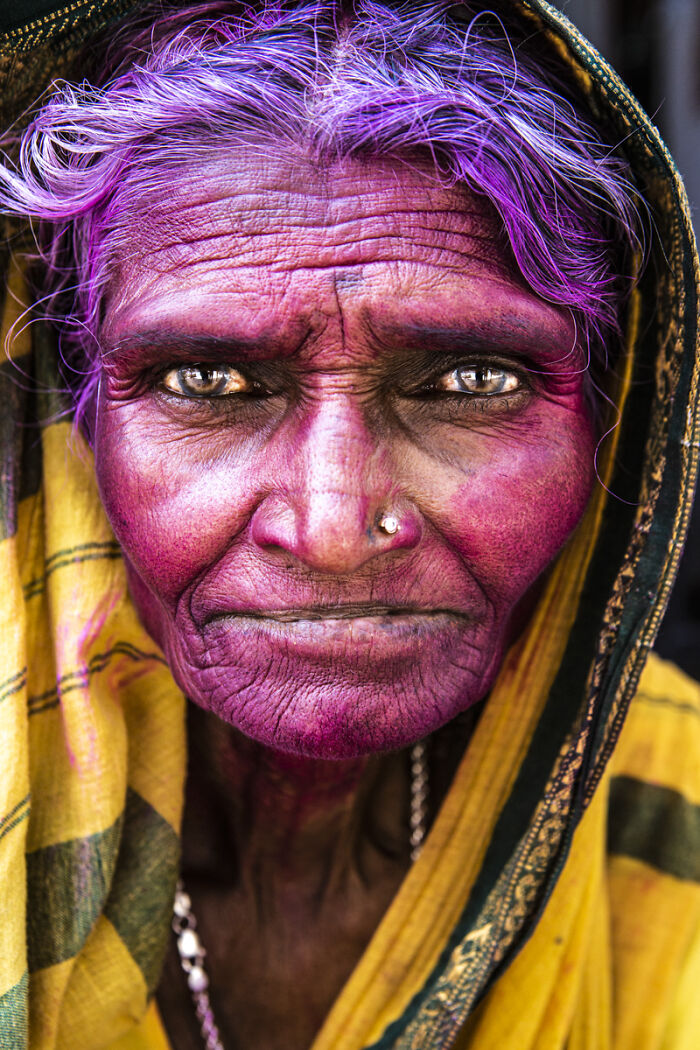
© Photo: Chromatic Awards
Honorable Mention in the People Category, Amateur Division Description: “Skyladder, a memorable sculpture from Burning Man 2025 by Franziska Agrawal & Transitionzone Collective. Much more precarious than it looks!”
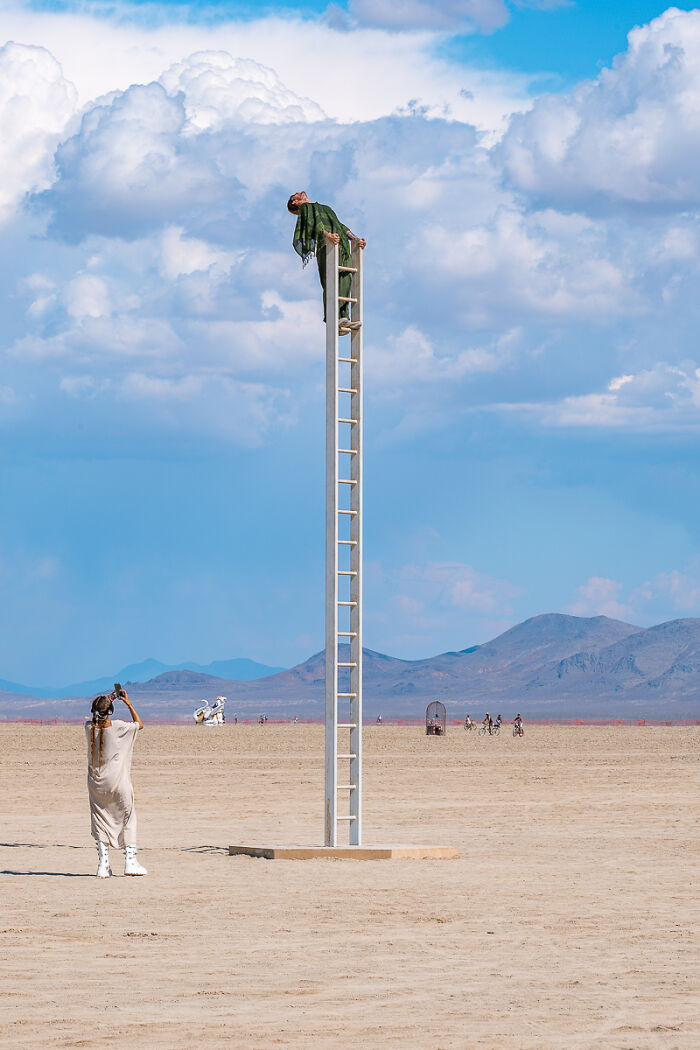
© Photo: Chromatic Awards
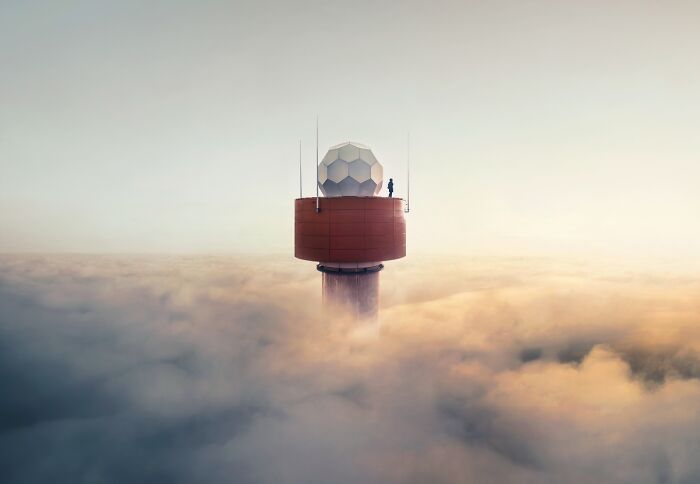
Honorable mention in the People Category, Amateur Division Description: “Let's see what the new Day brings if you feel lost today. Until the last rays of Sun disappear above the Clouds, it feels like Heaven. The image conveys a quiet message of hope and new beginnings. It speaks to those who feel lost, reminding them that each new day holds fresh possibilities.”
© Photo: Chromatic Awards
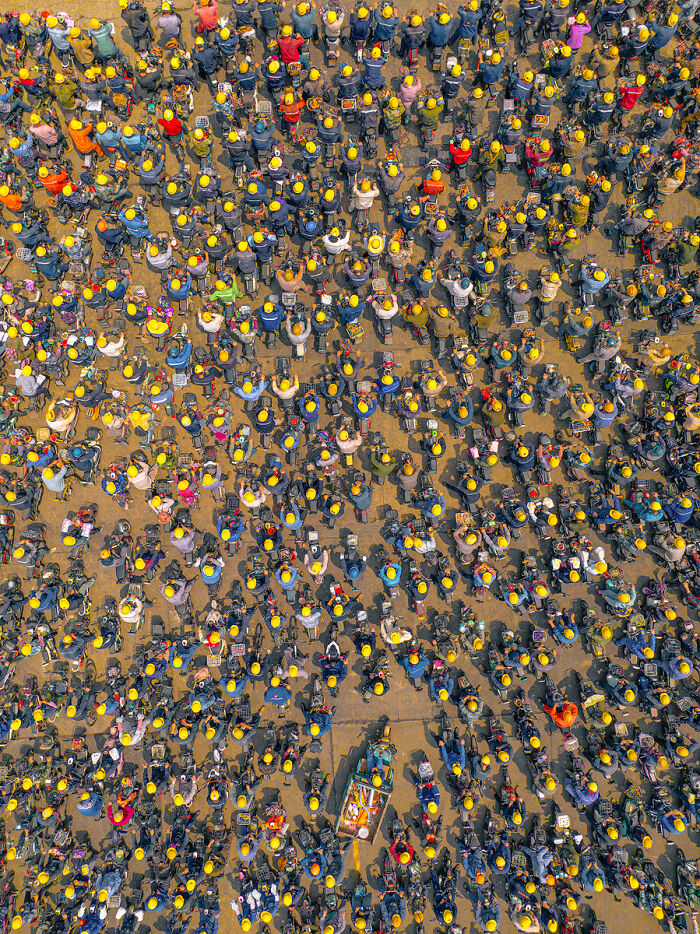
Honorable Mention in the People Category, Professional Division Description: “From a high altitude, a group of workers riding electric bicycles converge like a flowing ant colony, creating a spectacular scene. The sunlight poured down from above, casting a golden glow over these hardworking builders. They are dressed in various work clothes and wearing safety helmets. Although their figures appear small in the camera, their strength cannot be ignored. Every electric bicycle carries their hopes and dreams, shuttling through every corner of the city, watering the prosperity of the city with sweat. This picture is the best interpretation of the workers' strength and resilience, as they use their own hands to write the glorious chapter of this era.”
© Photo: Chromatic Awards
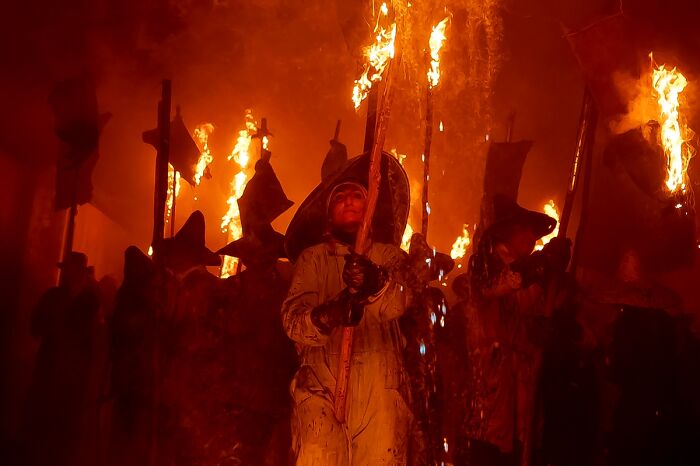
Honorable Mention in the People Category, Professional Division Location: Mayorga, Spain Description: “Villagers hold torches made of wine skins during the El Vitor Civic procession in Mayorga, Spain. It is a festival where the people of the town wear old clothes and cover their heads to remember Saint Toribio, a missionary born there who became a saint in the 18th century”
© Photo: Chromatic Awards
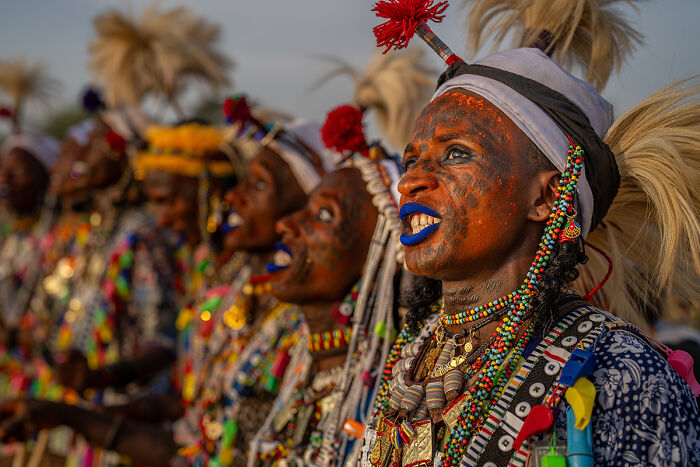
Honorable Mention in the People Category, Amateur Division Location: Chad Description: “It is more than just an annual date in the calendar. They sing, they compete with smiles and gaze. Their voices turn into a single one. It is a celebration of beauty and identity. Once a year in Chad, at the end of the rainy season, the nomadic Wodaabe tribe (Mbororo) gahter in a festival - the Gerewol. It is women's choice. Young girls of the tribe select the men. The men paint their faces with colors, often so that the whites of the eye and teeth are prominent. Their outfits are in a huge diversity of colors. From a western cultural perspective, the men's appearance with makeup and outfits can only be described as feminine. They dance like male birds in order to attract females. Their male beauty ideal highlights white eyes and teeth; the men will often roll their eyes and show their teeth to stress these characteristics.”
© Photo: Chromatic Awards
Honorable Mention in the People Category, Amateur Division Location: Singapore Description: “Crowd gathered at a political party rally in Singapore.”
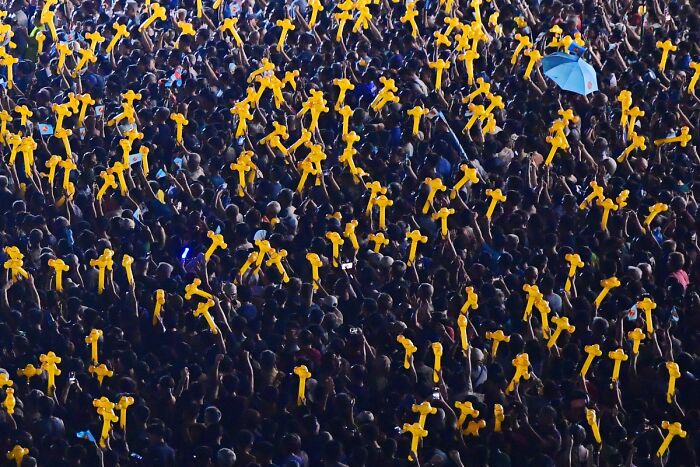
© Photo: Chromatic Awards
Honorable Mention in the People Category, Amateur Division Description: “What would the person depicted have worn if they had cancer and chemo existed at that time? My niece and I started from that question when we took these photos. They also contribute to my niece's acceptance process.”
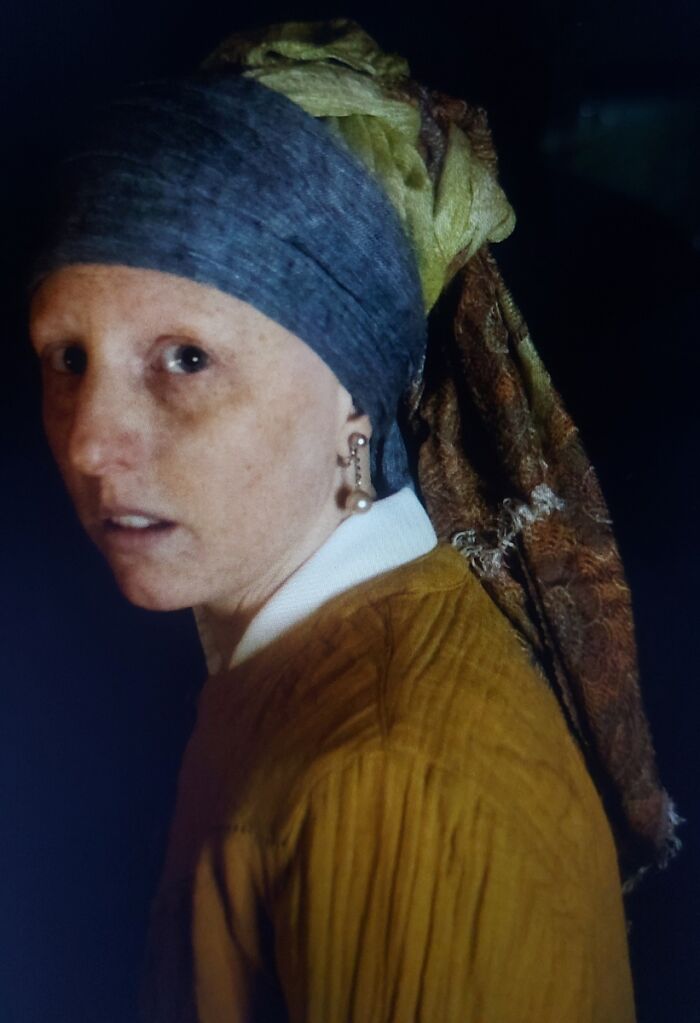
© Photo: Chromatic Awards
Honorable Mention in the People Category, Amateur Division Location: Mongolia Description: “In Mongolia’s Altai Mountains, Kazakh eagle hunters form lifelong bonds with golden eagles weighing up to 7kg. Passed down through generations, this tradition survived Soviet-era repression and remains a powerful symbol of resilience, pride, and harmony between human and animal. Hunters ride with their eagles across vast, unforgiving terrain, showcasing their heritage each year at the Golden Eagle Festival in Ölgii—a vibrant tribute to identity and survival.”
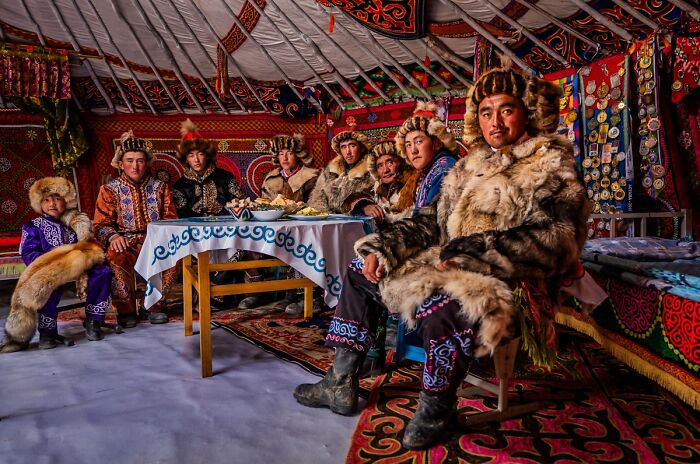
© Photo: Chromatic Awards
1st Place Winner in the People Category, Amateur Division Location: Mount Ijen, East Java, Indonesia Description: “Mount Ijen in East Java, is an active volcano that contains the biggest acidic lake in the world and a sulfur mine. Sulfur mining here is one of the hardest jobs because of the thick, toxic volcanic gases coming out of the active vents inside the crater. Besides this, miners have to carry big baskets full of sulfur blocks all the way up the crater through a steep path and then walk for miles to unload them at the checkpoint. Usually, they are able to do this no more than 2-3 times a day for a paycheck of about 10 dollars. Although the scenery is breathtaking, being here is the only way to get an idea of what it is like to move around and breathe sulfuric volcanic gases.”
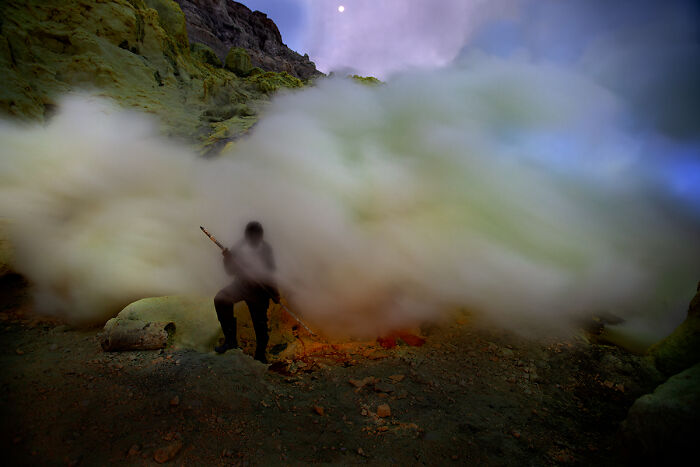
© Photo: Chromatic Awards
Honorable Mention in the People Category, Professional Division Location: Mumbai, India Description: “In the heart of Mumbai, where the Arabian Sea meets the city, a young man sits amidst the monsoon storm. His umbrella, turned inside out, mirrors the chaos around him. This boundary wall is more than just a line between land and sea; it is a border between dreams and reality, between the haves and the have-nots. This is where the spirit of humanity is tested and forged. It is a place where dreams are both born and battered, reminding us that even in the face of life’s storms, our dreams are worth holding onto, for they are the essence of our hope and resilience.”
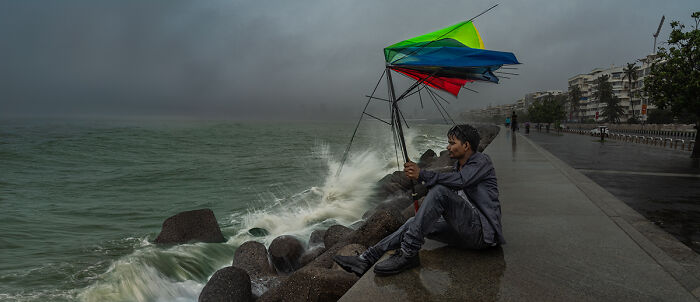
© Photo: Chromatic Awards
Honorable Mention in the People Category, Professional Division Location: Namib Desert Description: “A young couple shares a special moment at Deadvlei in the Namib Desert. It's almost impossible to avoid people when photographing at Deadvlei these days as it has become such a popular spot for tourists visiting Namibia. I first saw the remarkable natural phenomena in 2002 and I had the place to myself then but this image was captured in 2025 as hundreds of people descended on the now famous salt pan. I was composing this shot of the dead tree skeletons with a telephoto lens but the young couple walked into the scene and embraced. They were dressed in white in what must have been a special occasion for them - perhaps an engagement celebration? I snapped off a couple of frames regardless and was pleasantly surprised on reviewing the photos on how much they added to the mood and feel of my intended image. Not only did they provide a sense of scale, but they added emotion and intrigue. The brightly clad, embracing couple contrasted with the dark and ominous shapes of the twin trees. The living vs the dead. The red hue of the dunes (slightly enhanced) convey a feeling of love and connection between the pictured man and woman and their presumed love for the natural world in which they are celebrating.”
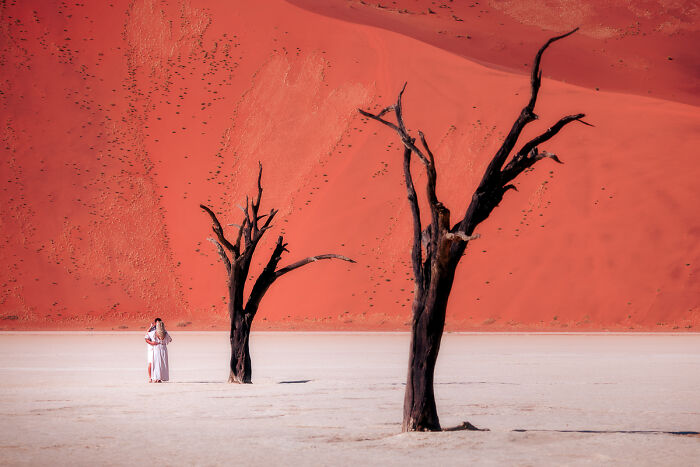
© Photo: Chromatic Awards
Honorable Mention in the People Category, Amateur Division Description: “Tien meditating after following the path to inner introspection.”

© Photo: Chromatic Awards
Honorable Mention in the People Category, Amateur Division Location: Jodhpur, India
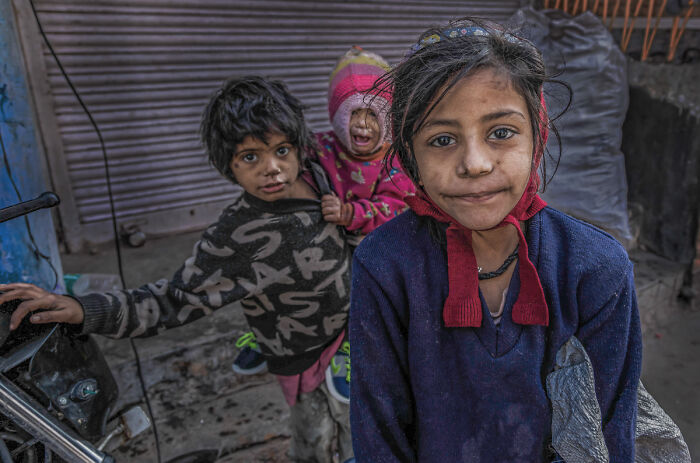
© Photo: Chromatic Awards
Honorable Mention in the People Category, Amateur Division
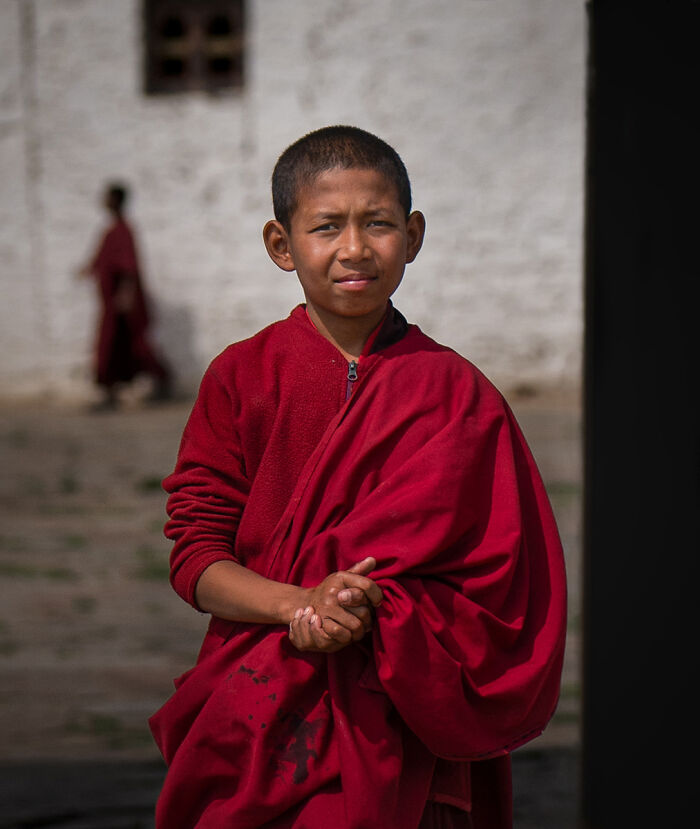
© Photo: Chromatic Awards
Honorable Mention in the People Category, Amateur Division
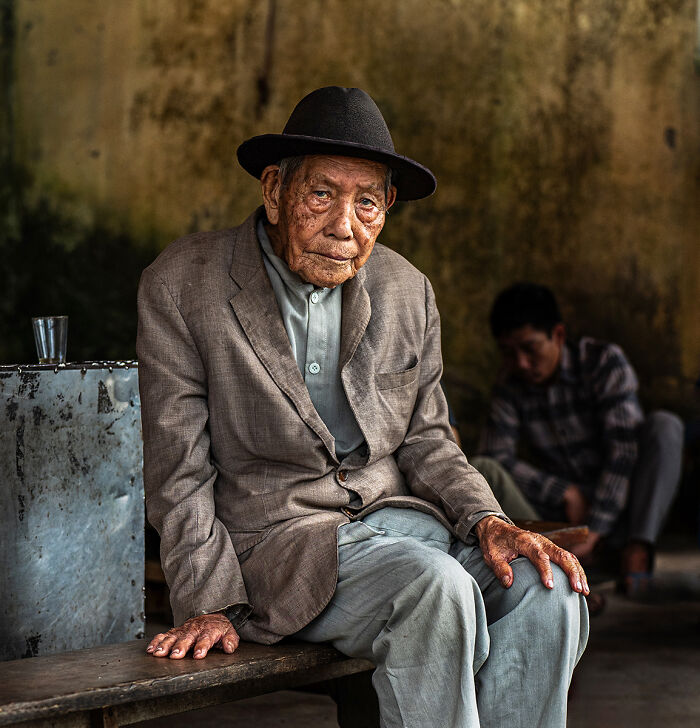
© Photo: Chromatic Awards
Honorable Mention in the People Category, Amateur Division Location: Lake Titicaca, Bolivia Description: “An elderly Bolivian woman, dressed in colorful traditional clothing and wearing a bowler hat, stands beside her white llama in a small village on the shores of Lake Titicaca.”
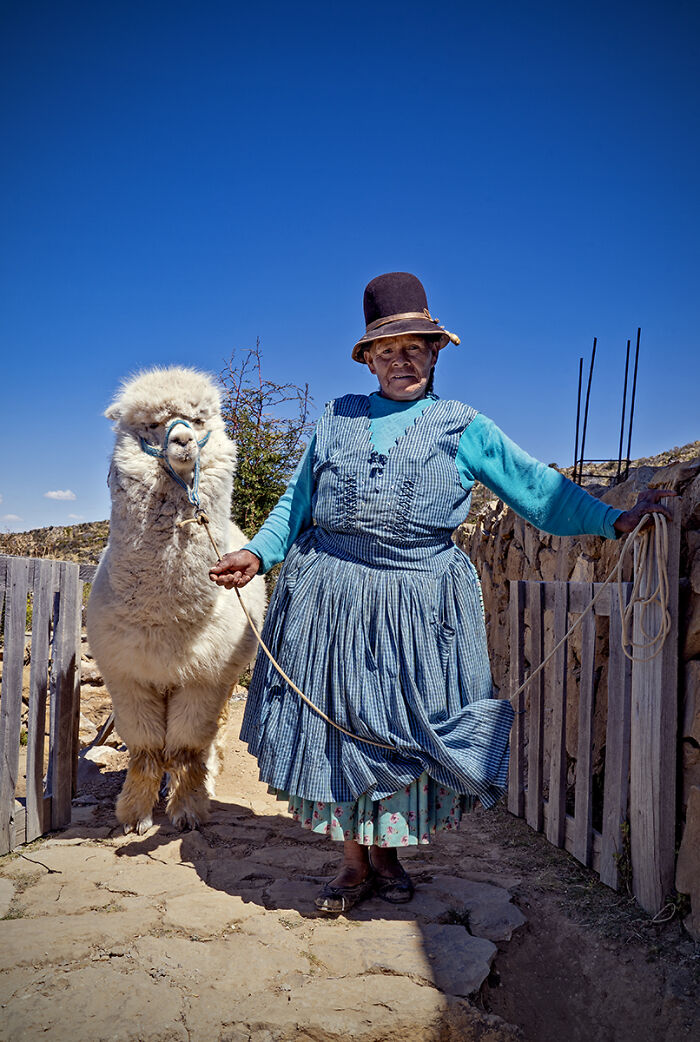
© Photo: Chromatic Awards
3rd Place Winner in the People Category, Amateur Division Location: Bangladesh Description: “Jobbarer Boli Khela is a traditional and very old wrestling game in Bangladesh. It’s a lively and exciting event that brings energy to both the wrestlers and the audience. People from all over the country—and even from abroad—come to watch it. The game includes strong throws and intense grappling that create a thrilling atmosphere. As the wrestlers use force and smart moves in the ring, the crowd gets more and more excited, cheering loudly with every action.”
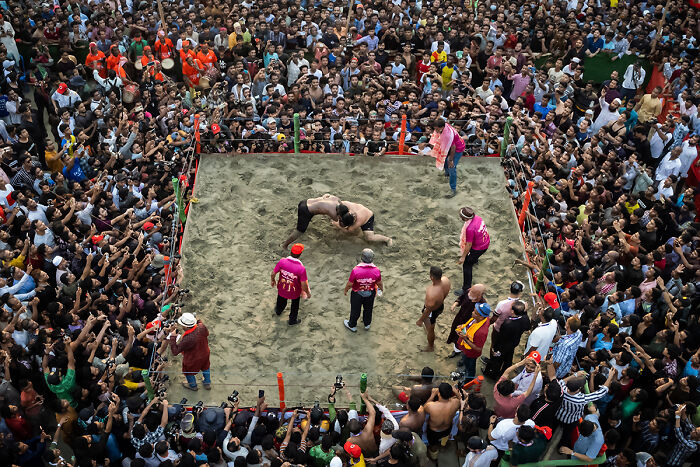
© Photo: Chromatic Awards
Honorable Mention in the People Category, Professional Division Location: India Description: “During the 2025 Maha Kumbh Mela, the largest spiritual gathering ever recorded by mankind, in India, on the banks of sacred rivers I captured this shot, where two eyes, before dawn, emerge from an incredible chaos of people.”
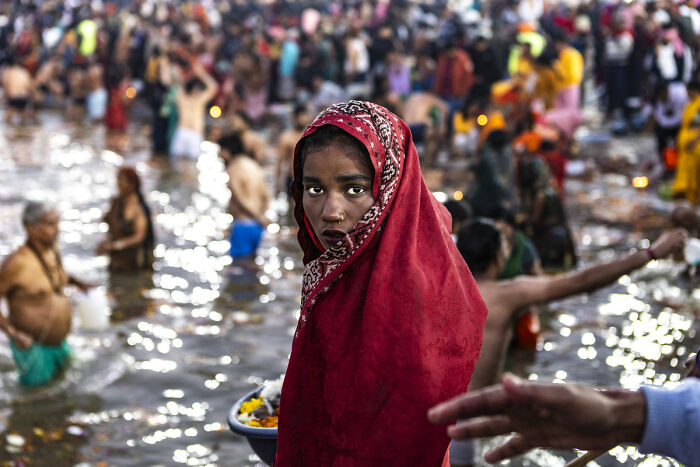
© Photo: Chromatic Awards
Honorable Mention in the People Category, Professional Division Location: San Diego, California, USA Description: “Captured during the San Diego Pride Parade, Pride Domination portrays a group of participants wearing pup masks and harnesses beneath the bright California sky. The image freezes a moment of intensity and play, where desire and defiance coexist. Through their vibrant masks and confident stances, these figures transform the public space into a stage of empowerment and self-determination. The photograph explores how visibility can become a political act — one that celebrates difference while confronting the boundaries of normativity. The dog masks, a symbol often misunderstood or fetishized, here become expressions of identity, vulnerability, and belonging. Under the umbrella’s blue reflection, they appear simultaneously shielded and exposed, echoing the tension between protection and openness that defines much of queer existence. Color plays a crucial role in the narrative. The dominant blues evoke both serenity and resistance, while the reds inject a pulse of vitality and provocation. The photograph’s composition — balanced between symmetry and spontaneity — invites the viewer to engage with these bodies not as spectacle, but as subjects reclaiming their right to visibility and expression. Pride Domination belongs to an ongoing photographic series documenting the performative dimensions of Pride parades in California and Mexico. The project seeks to reveal how gestures, costumes, and public presence create a collective choreography of identity — one that extends beyond celebration to assert dignity, intimacy, and resilience. Ultimately, this image is a tribute to those who inhabit their truth without compromise, transforming the street into a living archive of freedom, desire, and color.”

© Photo: Chromatic Awards
Honorable Mention in the People Category, Professional Division Description: “The Spanish lady is the keeper of a lifetime, surrounded by memories of love, loss, and joy. The flowers hint at small pleasures, the cigarette a quiet defiance. In the portrait from decades past, her youthful beauty lingers, a reminder of who she was and who she has become. Her room is more than a space—it is a testament to a life fully lived.”
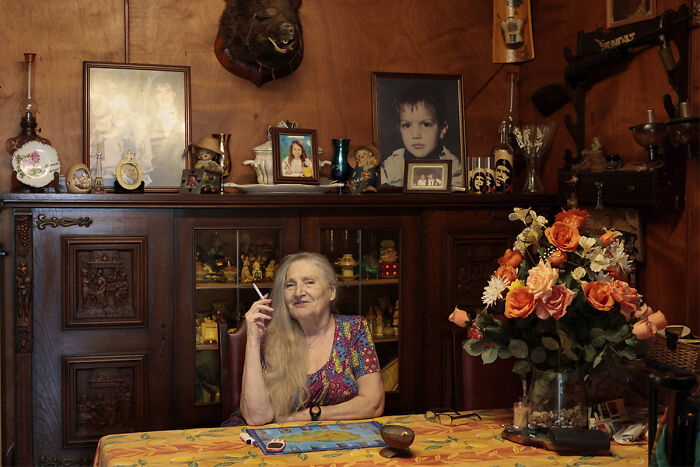
© Photo: Chromatic Awards
3rd Place Winner in the People Category, Professional Division Description: “Hutsuls, personifying the strength, pride and originality of their people. Their images are living evidence of a deep connection with the roots, traditions and nature of the Carpathians, which has withstood the storms of history. In every look - the wisdom of generations, respect for culture and ancestors. These people are a symbol of the continuity of the Hutsul spirit, which is passed down through generations.”
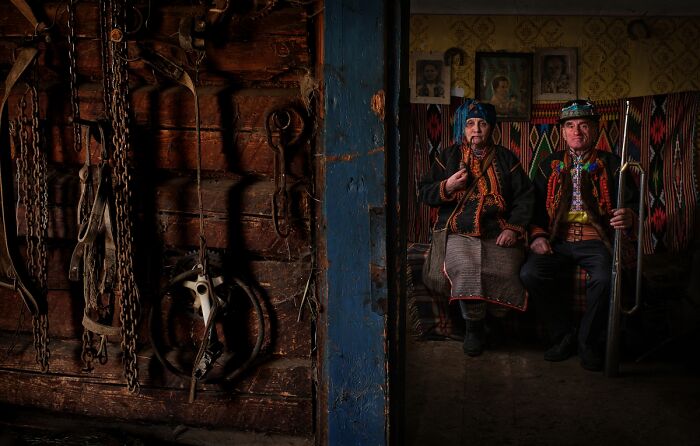
© Photo: Chromatic Awards
Honorable Mention in the People Category, Amateur Division
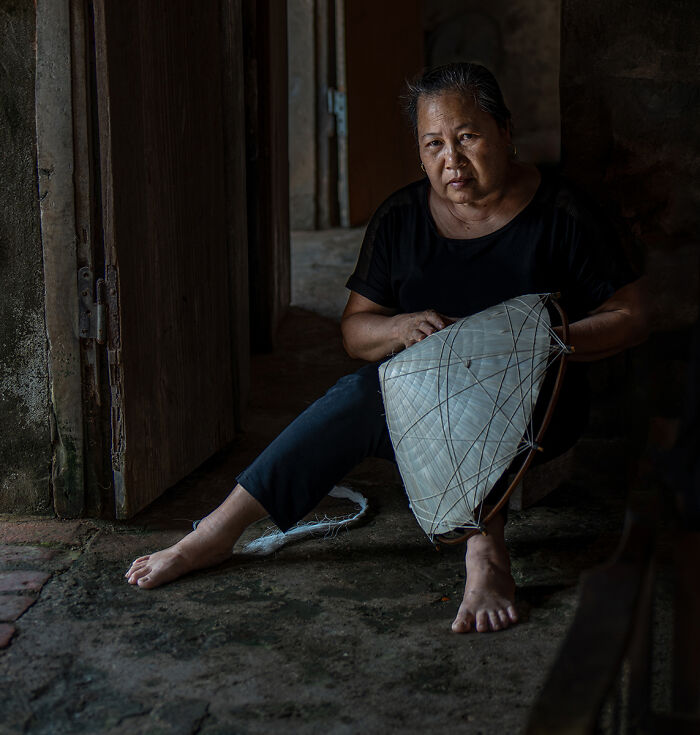
© Photo: Chromatic Awards
Honorable Mention in the People Category, Amateur Division Description: Photo taken during a competition for young rescuers on the Baltic Sea.
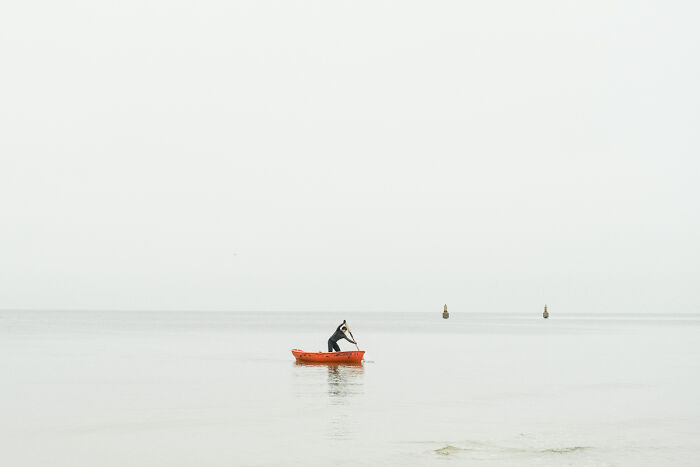
© Photo: Chromatic Awards
Honorable Mention in the People Category, Amateur Division
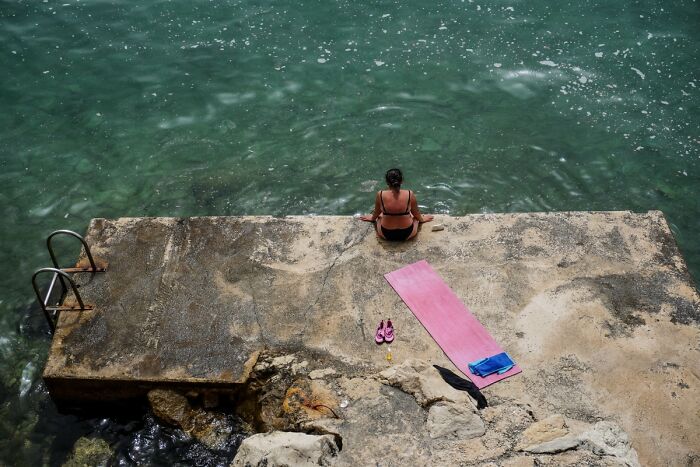
© Photo: Chromatic Awards
Honorable Mention in the People Category, Amateur Division Location: Havana, Cuba Description: “In 2013, UNESCO recognized the cultural significance of Cuban dominoes by inscribing it on the Representative List of the Intangible Cultural Heritage of Humanity. This acknowledgment highlighted the game's role in fostering social bonds, preserving traditions, and promoting a sense of identity and continuity among the Cuban people. Today, dominoes remain an integral part of Cuban life, with the distinct sound of shuffling tiles and lively banter echoing through the streets. It serves as a reminder of the resilience, camaraderie, and cultural pride that define the Cuban spirit.”
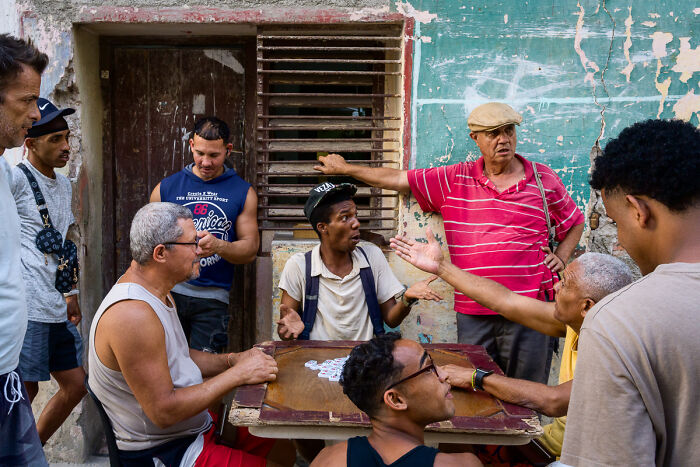
© Photo: Chromatic Awards
Honorable Mention in the People Category, Amateur Division Location: Havana, Cuba Description: “In Havana, people are always out and about, especially in the late afternoon when the sunlight fills the streets with vibrant colors and intense light.”
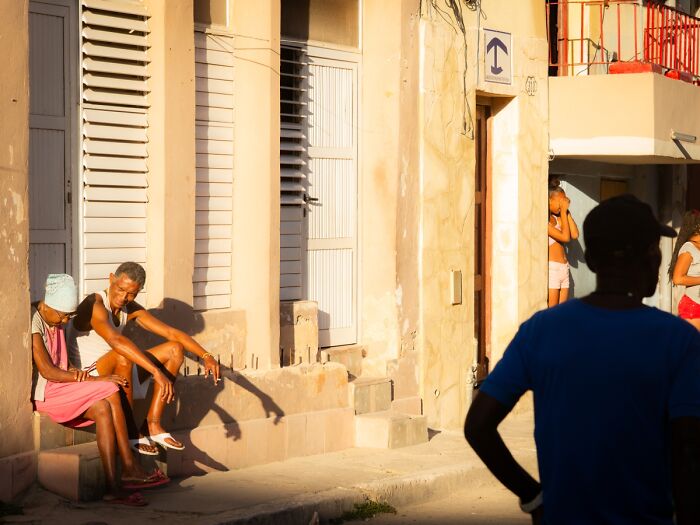
© Photo: Chromatic Awards
Honorable Mention in the People Category, Professional Division Location: Maharashtra, India Description: “Pravin Mali (12) while sleeping on the floor and around Gangavesh Talim's pit. Maharashtra, India.”
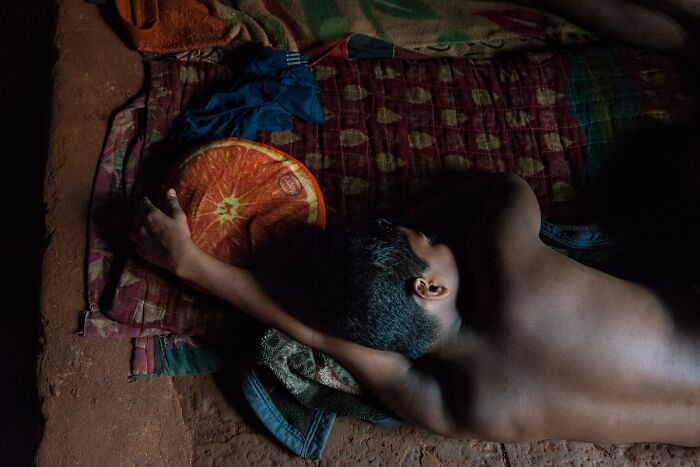
© Photo: Chromatic Awards
Honorable Mention in the People Category, Professional Division

© Photo: Chromatic Awards
Honorable Mention in the People Category, Professional Division Description: “Model image taken backstage before the Adlib Ibiza fashion show at the 2025 edition of Madrid es Moda.”
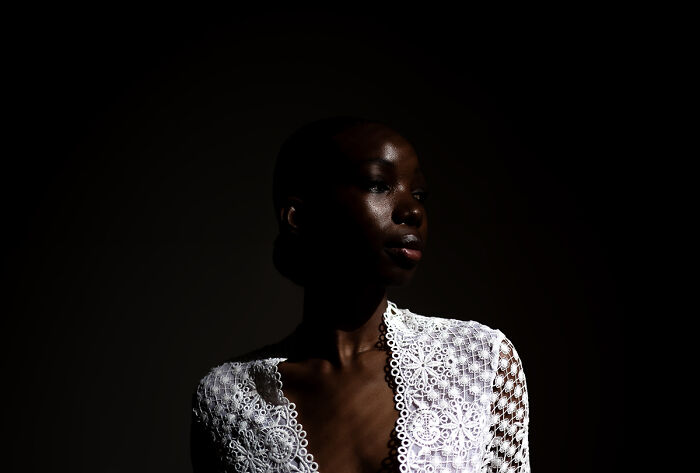
© Photo: Chromatic Awards
Honorable Mention in the People Category, Professional Division Description: Model image taken during the backstage before the Adlib Ibiza fashion show at the 2025 edition of Madrid es Moda.

© Photo: Chromatic Awards
2nd Place Winner in the People Category, Professional Division Description: “Children from Bnei Brak, and ultra orthodox city in Israel, looking out from the window of their school.”
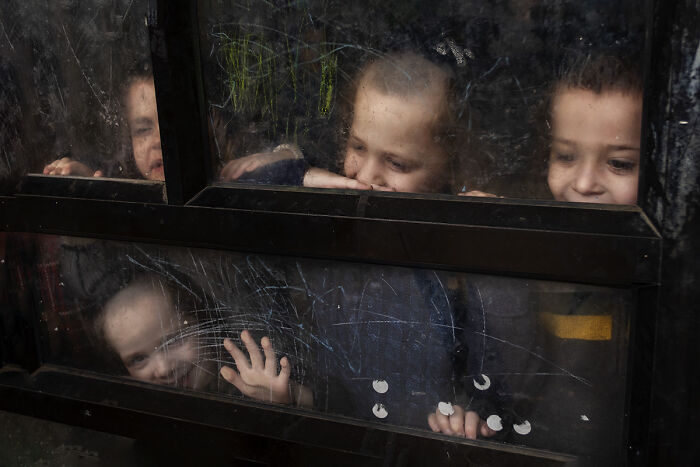
© Photo: Chromatic Awards
The fallout from a fatal rope jumping tragedy is getting bigger, as more suspects were arrested in the case of Maria Eduarda Rodrigues de Freitas’s passing.
The 21-year-old Rio de Janeiro woman trusted a set of rope jumping instructors with her life. But seconds later, she was gone.
A criminal case was launched after the jump went catastrophically wrong.
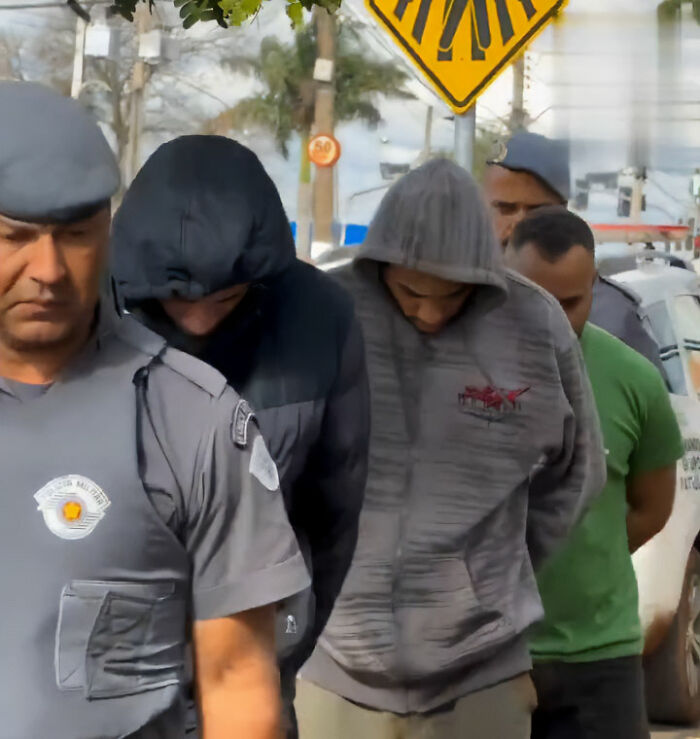
Image credits: BlogdeDaltro
Three more people were arrested in the case of Maria Eduarda Rodrigues de Freitas, who lost her life after being tossed off the “Skeleton Bridge” at Ponte do Esqueleto in Brazil’s São Paulo state on June 13.
A 29-year-old Rio de Janeiro woman named Evelyne dos Santos Gonçalves, a 25-year-old man from Limeira, and a 27-year-old man from Indaiatuba were the latest additions to the growing list of suspects.
The location of their arrest was unclear.

Image credits: dudz.rodrigueess
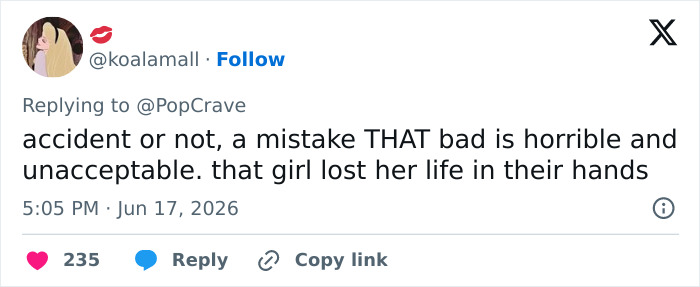
Image credits: koalamall
On the day of Maria’s fatal fall, the three additional suspects were allegedly at the base of the rope jumping site, waiting for her so they could remove the safety gear.
But when the jump went catastrophically wrong, they fled to a nearby wooded area and allegedly tried to conceal evidence.
“They didn’t have a typical or active role in the jump. They only participated at the moment the jump ended,” lawyer Vitor Aurélio, representing one of the suspects, told G1.
“One would pull the rope back up, and the other would just take the rope off the jumper.”
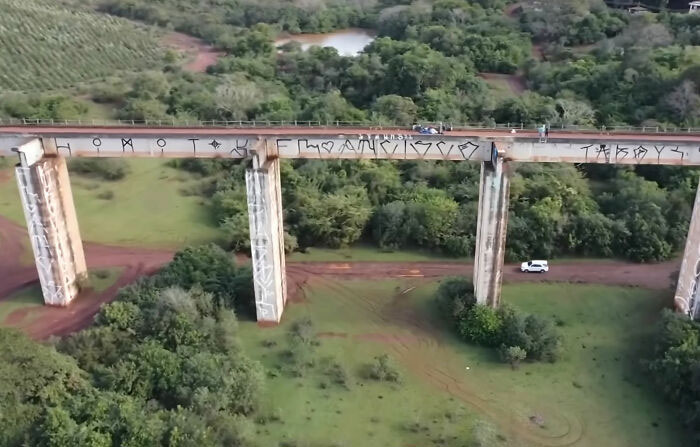
Image credits: g1globo
The latest arrests took the suspect count to six so far.
Luis Felipe Feliciano Egoroff, 32, Vitor de Freitas Goncalves, 27, and Maicon Fernandes Cintra, 42, were arrested the day after Maria’s passing and were charged with homicide with eventual intent.
The three had attempted to flee after Maria plummeted to her tragic end, but a military helicopter tracked them down.
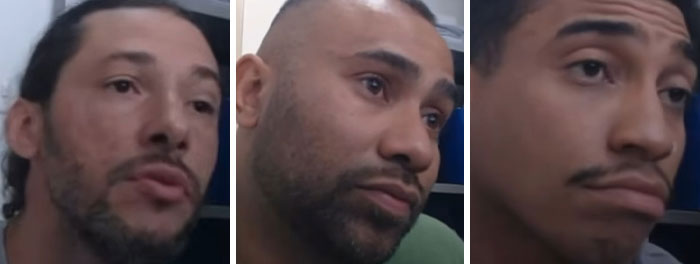
Image credits: NSCTotalVideos
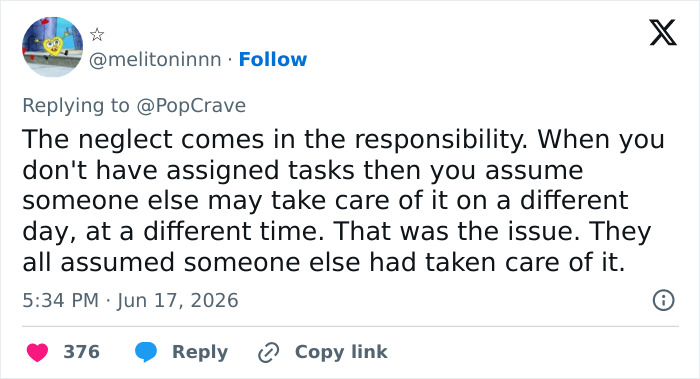
Image credits: melitoninnn
The homes of all six suspects are expected to be searched as part of the investigation.
It is believed Maria’s final moments were recorded on a GoPro she was wearing when three instructors tossed her off the bridge without ensuring she was attached to safety ropes.
Investigators believe someone took the camera off her after she plunged 130 feet.
One video that circulated online captured Maria with three instructors on top of the bridge, moments before the fall.

Image credits: BlogdeDaltro
A viral video on social media reportedly captured the final moments before the tragedy, where three employees were seen carrying Maria toward the jumping structure.
The instructors hoisted her above their shoulders as she spread her arms out in a “Superman” pose. Unfortunately, nobody allegedly remembered to attach her to the safety ropes.
Moments later, they launched her from the platform without realizing the mistake.
“The rope!” one was heard shouting.
Another panic-stricken voice said, “Guys, the rope!”
Brazil instructors questioned after woman thrown from bridge without safety rope. pic.twitter.com/1DmOcd7Rd7
— Pop Crave (@PopCrave) June 17, 2026
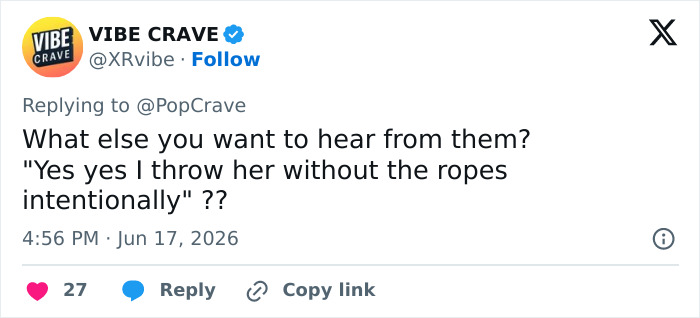
Image credits: XRvibe
Cops accused the three additional suspects, who were arrested over the weekend, of deleting digital content of what happened during Maria’s doomed rope jumping experience.
“During the investigation, elements were gathered that indicate possible suppression of evidence relevant to the investigation, especially related to the disappearance of the image capture equipment used by the victim during the jump,” Civil Police Delegate Andréa Levy was quoted telling news outlets.
A witness named Rafael Goulart also claimed to have seen someone take the camera.
“I saw the girl on the ground, [I saw] one of the employees removing the GoPro camera from the neck strap of the body that was already on the ground, either worried about the equipment or wanting to hide evidence,” the witness reportedly said.
I guess he was the one in the hat pic.twitter.com/rqMdF7U4Pt
— WORLDCUP UPDATES (@Bayology) June 17, 2026
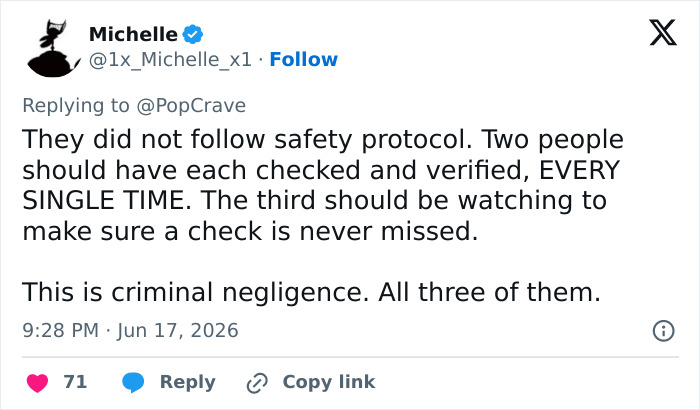
Image credits: 1x_Michelle_x1
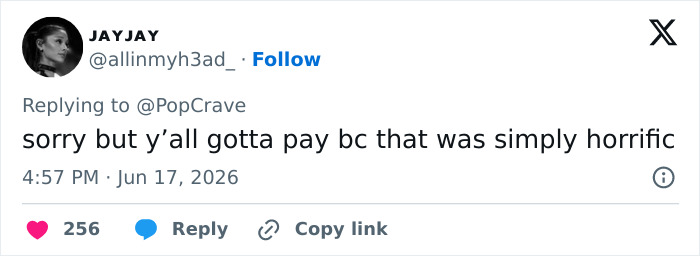
Image credits: allinmyh3ad_
On the morning of her planned jump, Maria wrote a message on social media that will forever haunt her jumping instructors for the rest of their lives.
“Who was the crazy person who let me jump off a bridge?” she wrote.
She was laid to rest on June 14.
The three instructors on top of the bridge claimed after their arrest that they couldn’t remember who was supposed to attach the ropes.
“They do not remember whether they forgot to attach (the ropes), or who was supposed to do it, or who failed to check. But the fact is the ropes were not attached to her,” Police investigator Andrea Dantas Levy told AP News.
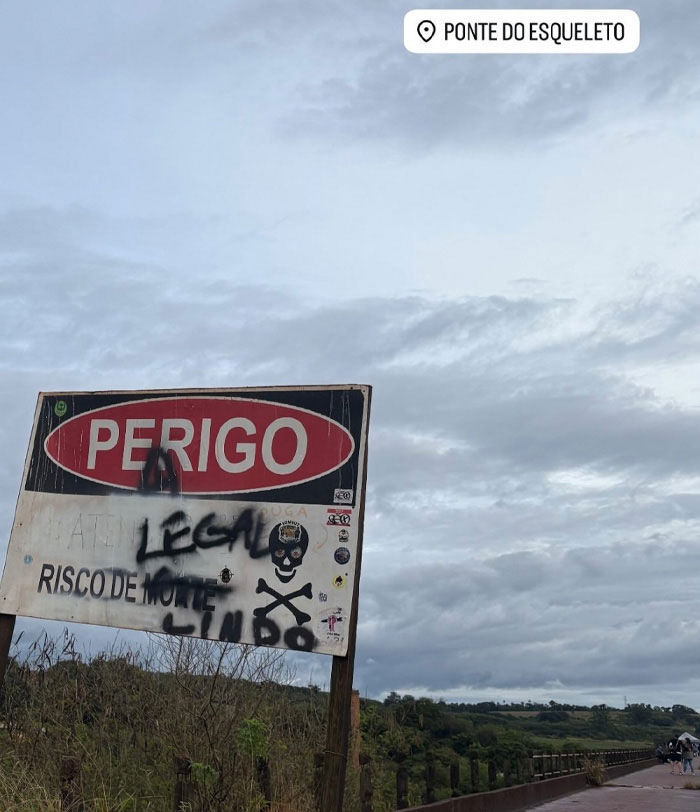
Image credits: dudz.rodrigues
Suspects Luis, Vitor, and Maicon claimed they “blacked out” and couldn’t remember who was responsible for ensuring Maria was securely attached to the safety ropes.
“Either it’s me or [Maicon] who does it. So I went ahead first, and after that it’s all erased from my mind,” Luis told EPTV. “…I don’t remember.”
The two instructors responsible for the death of the young woman fled the scene.
The Águia helicopter is still searching for the fugitives. pic.twitter.com/SnzI6dbZJ5
— Lord Bebo (@MyLordBebo) June 13, 2026
Luis and a few other instructors reportedly made a disturbing video four years ago, where they tossed a black bag made to look like a corpse off the “Skeleton Bridge.”
“Hiding the body,” read the title of the September 2022 video.
The bridge had been abandoned for years, but tourists in the municipality of Limeira would often visit the site for extreme sports.
Following Maria’s passing, authorities said the bridge will be demolished to prevent similar tragedies from taking place.
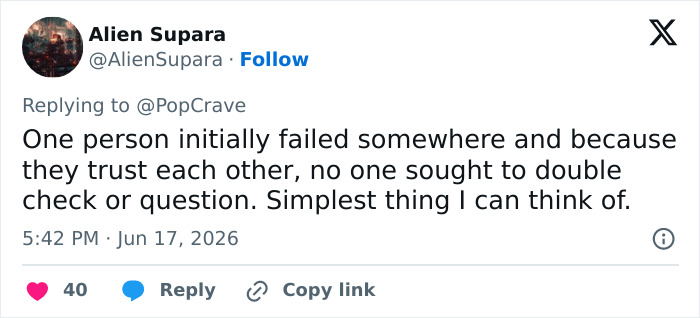
Image credits: AlienSupara
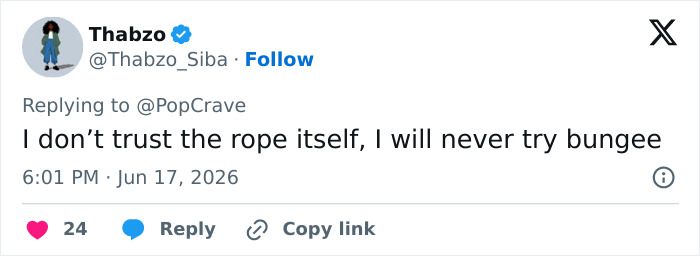
Image credits: Thabzo_Siba
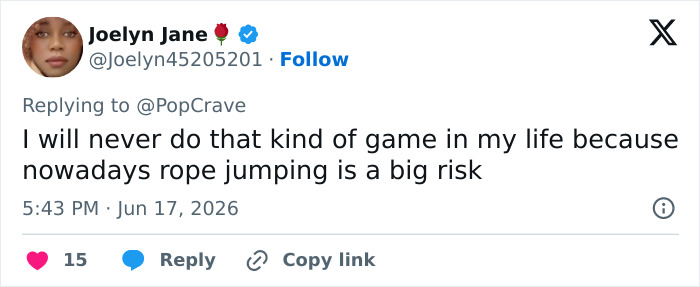
Image credits: Joelyn45205201
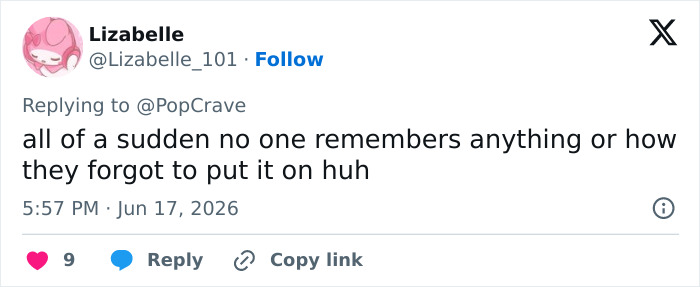
Image credits: Lizabelle_101
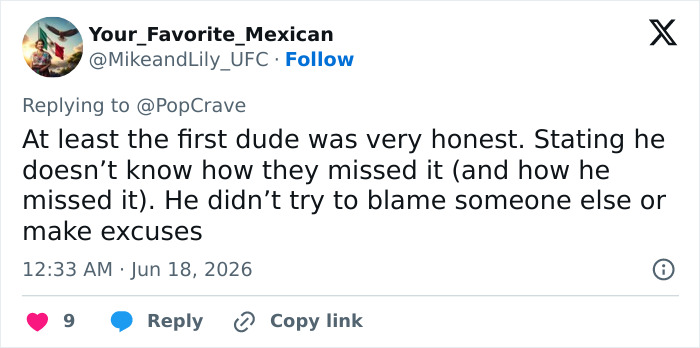
Image credits: MikeandLily_UFC
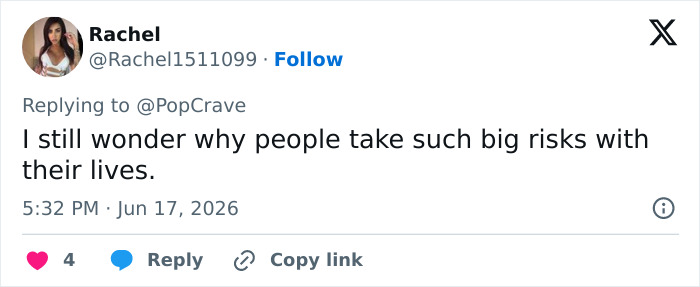
Image credits: Rachel1511099
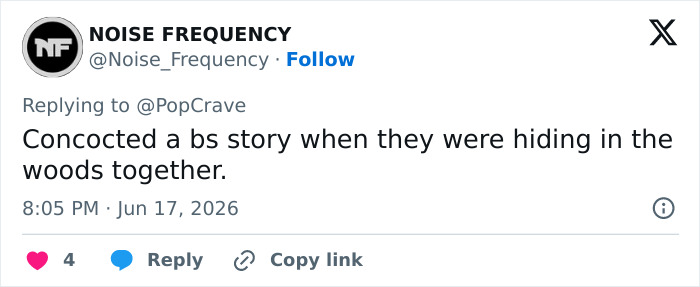
Image credits: Noise_Frequency
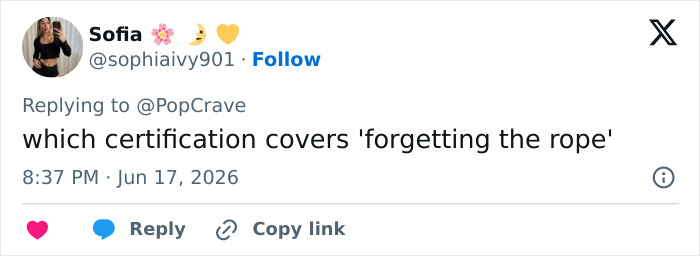
Image credits: sophiaivy901
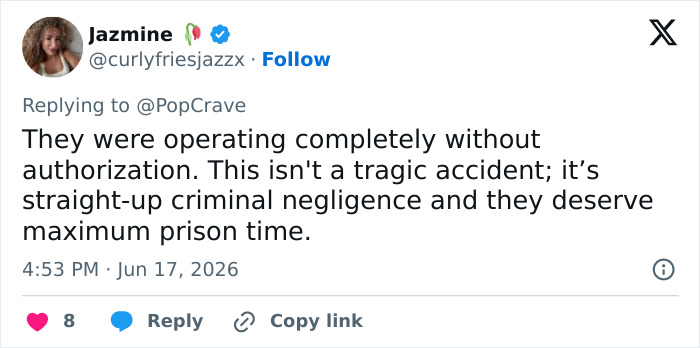
Image credits: curlyfriesjazzx
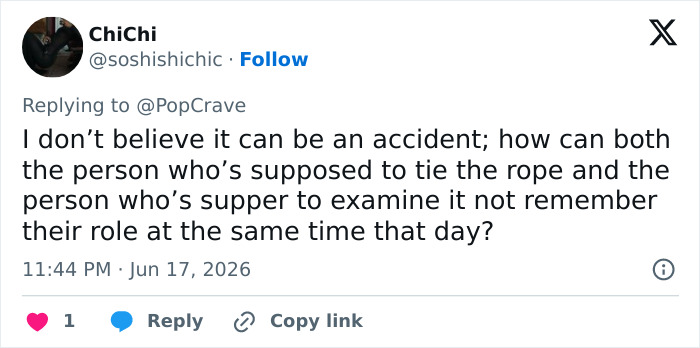
Image credits: soshishichic

Dogs have spent decades earning a reputation as humanity's best friend. Cats, meanwhile, have been stuck defending themselves against accusations of being cold, antisocial, untrainable, and impossible to understand. Yet many of the beliefs people hold about cats turn out to be little more than myths that have survived through repetition rather than evidence.
Part of the confusion comes from the fact that cats play by a different set of social rules. Their body language is more subtle, their motivations aren't always obvious, and behaviors that humans often interpret as rude, spiteful, or aloof usually have a far more logical explanation. As researchers have learned more about feline behavior in recent decades, many long-standing assumptions have been overturned, revealing animals that are far more social, adaptable, and emotionally complex than their reputation would suggest.
Curious which cat "facts" are actually fiction, Bored Panda asked animal behavior expert Zazie Todd to weigh in. From purring and scratching to training, companionship, and life indoors, she breaks down some of the most persistent myths people still believe, and explains what the science really says about our feline companions.

More info: companionanimalpsychology.com | Facebook | Instagram
We don’t fully understand why cats purr. Although purring is most commonly associated with contentment, research suggests it serves several functions and is not exclusively a sign of happiness. Cats often purr while being petted or resting comfortably, but they may also purr when they are frightened, stressed, injured, giving birth, or recovering from illness. Scientists believe purring can act as a self-soothing mechanism, helping cats regulate their emotions in challenging situations. Some researchers have also proposed that the low-frequency vibrations produced during purring may promote healing of bones and soft tissues, although this theory is still being studied. In other words, a purring cat is often a happy cat, but not always.
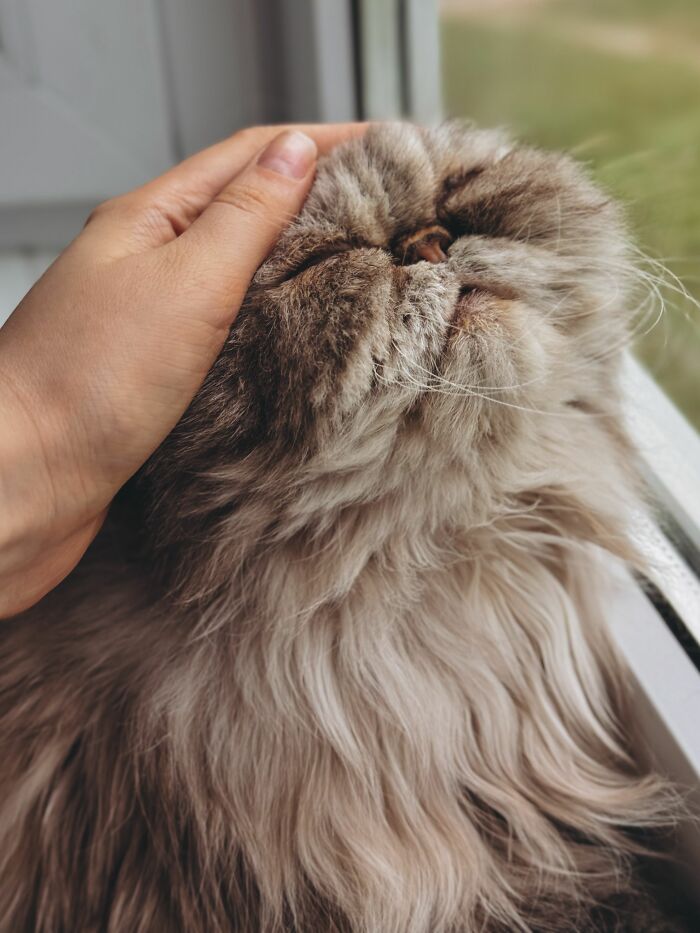
© Photo: Zazie Todd
Cats need things to do. In the wild, cats would spend a significant portion of their day hunting, often catching multiple small prey items rather than eating one large meal. This means that pet cats also benefit from opportunities to engage in activities that satisfy their natural instincts. Interactive play with a wand toy is one of the best ways to provide physical exercise and mental stimulation, but cats should also have toys they can enjoy on their own, as well as scent enrichment such as catnip or silvervine. Positive reinforcement training can be another excellent form of enrichment. Not only can cats learn useful behaviors and tricks, but training sessions also provide valuable mental exercise. Food puzzle toys are particularly beneficial because they encourage cats to work for their food in a way that mimics natural foraging and hunting behaviors. When introducing a new food puzzle, start with an easy version and fill it with especially tasty treats to help your cat understand how it works. As they gain confidence, you can gradually increase the difficulty level to keep them challenged and engaged.

© Photo: Zazie Todd
Many people are surprised when a cat rolls over and shows its belly, assuming it’s an invitation for a tummy rub. In reality, that’s often not the case. Cats typically expose their belly only when they feel safe and relaxed, as it is one of the most vulnerable parts of their body. For many cats, showing their belly is a sign of trust rather than a request to be touched. In fact, most cats dislike having their belly rubbed and may react by grabbing, kicking, or swatting if someone reaches in to pet it. It's usually best to appreciate the gesture and let the cat decide how it wants to interact.
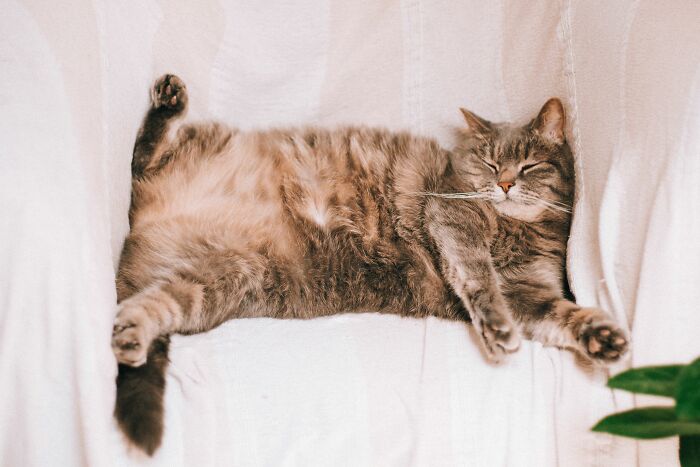
© Photo: Zazie Todd
Cats are actually very trainable. If more people realized this, life would be better for both cats and their guardians. The best way to train a cat is through positive reinforcement, using small pieces of their favourite food as rewards. Some cats may prefer being petted, brushed, or playing with a toy instead. It all depends on the individual cat, so the key is finding what motivates yours. One of the most useful things you can teach a cat is to come when called. It’s also a great idea to help them develop positive associations with their carrier (I include a step-by-step plan for this in my book Purr). Even cats that are frightened by the sight of a carrier can learn to feel comfortable with it, but the process needs to be gradual and move at the cat’s pace. A carrier with a removable lid works best. You can start by encouraging your cat to explore just the base of the carrier, rewarding them with especially tasty treats. Once they are comfortable, add the lid and slowly increase the amount of time they spend inside. Leaving the carrier out in a room all the time can also help, as it allows your cat to use it as a familiar place to rest and relax rather than associating it only with trips to the veterinarian. Cats can also learn a variety of tricks, which can be both enriching for them and a lot of fun for their people. Training provides mental stimulation, builds confidence, and strengthens the bond between cats and their guardians.

© Photo: Zazie Todd
Cats are generally okay being left home alone for longer periods than dogs, but they still enjoy spending time with their people. However, while some cats like having a feline companion, others prefer to be the only cat in the household. Because of this, if you plan to have more than one cat, it's usually best to adopt a pair of kittens together or a bonded pair of adult cats.
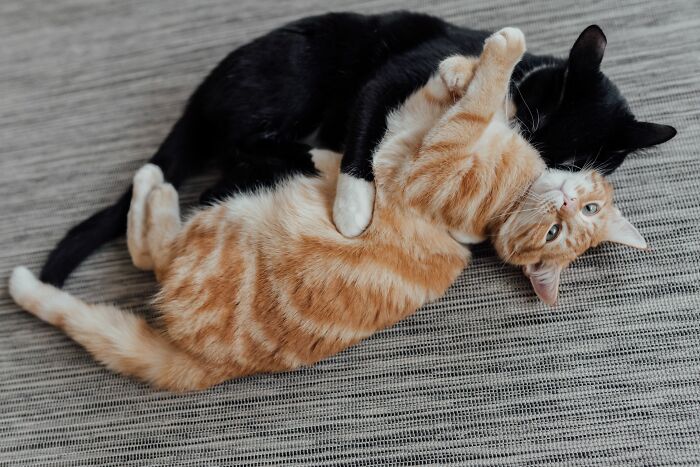
© Photo: Zazie Todd
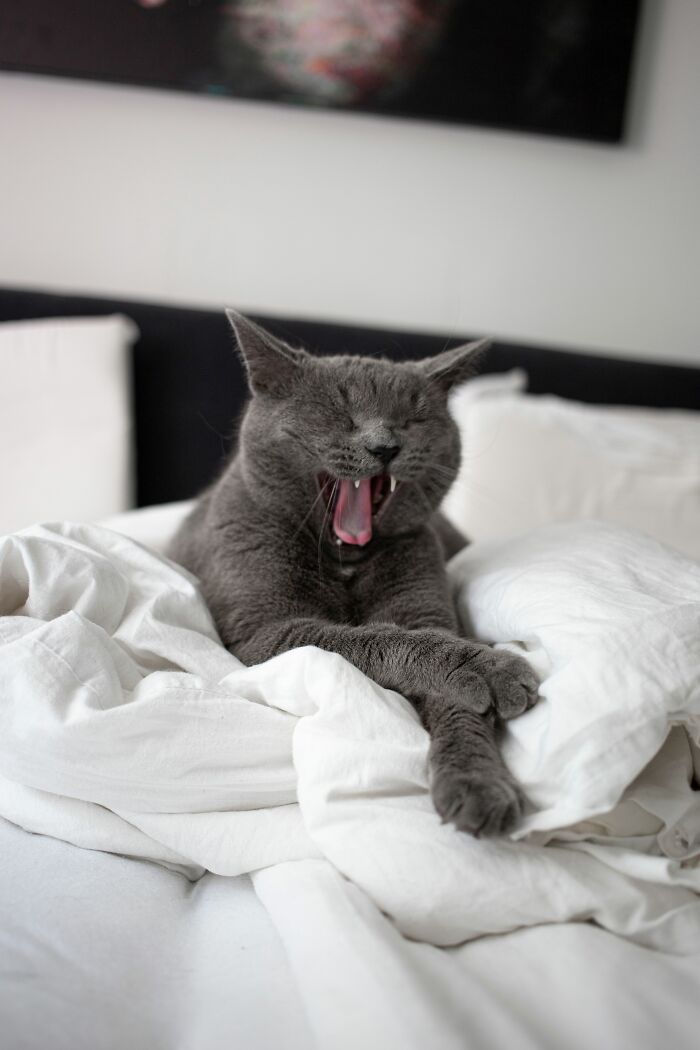
Not at all. In fact, many of the behaviors that people interpret as a cat being unfriendly are actually signs that the cat is feeling frightened, stressed, or uncomfortable. Unfortunately, feline body language is often misunderstood, and it can be difficult for people to see a situation from their cat’s perspective. Cats place a high value on feeling safe. Although they are skilled predators, they are also prey animals, which means they are naturally alert to potential threats. They prefer having choices and a sense of control over their environment, but people don’t always recognize or respect those needs. As a result, misunderstandings can arise between cats and their humans. When a cat’s behavior seems unfriendly, it’s worth considering what the situation might look like from the cat’s point of view. Often, their actions make much more sense when viewed through that lens. The more we learn about feline behavior and communication, the easier it becomes to build a positive, trusting relationship with our cats.

© Photo: Zazie Todd
Cats do not need outdoor access to live happy and healthy lives. In fact, keeping cats indoors is generally safer, as it protects them from risks such as traffic, predators, disease, and other hazards. However, an indoor-only lifestyle requires more than simply keeping a cat inside. Guardians need to provide an environment that meets their cat’s physical and behavioral needs, including opportunities to play, explore, climb, scratch, hide, and engage in natural hunting behaviors. Without enough enrichment, cats can become bored, frustrated, or stressed. One helpful framework is the "Five Pillars of a Healthy Feline Environment," a set of evidence-based guidelines designed to help create a home that supports a cat’s wellbeing and allows them to thrive indoors.
© Photo: Zazie Todd
Cats need to scratch to help maintain their claws and keep them in good condition. Scratching also serves important communication functions. It leaves behind both visual marks and scent signals from glands located in the paw pads, allowing cats to mark areas that are important to them. Because scratching is a natural and essential behavior, cats need appropriate places to do it. Ideally, they should have access to a tall, sturdy scratching post that allows them to stretch their body fully while scratching. Unfortunately, many scratching posts sold for cats are too short or unstable. It's also important to remember that cats have individual preferences, some prefer vertical scratching surfaces, while others prefer horizontal or angled ones. Understanding your cat's preferences and providing suitable options is key to ensuring they can express this natural behavior in a healthy way.

© Photo: Zazie Todd
Some cats can manage on their own, while others cannot. Some community cats live quite happily without assistance from people, catching mice for their meals, finding their own shelter, and so on. Other community cats have people who feed them and take them to the veterinarian from time to time. However, most pet cats need plenty of attention from their guardians. This is especially true for indoor-only cats, as they can easily become bored. They rely on us to provide enrichment, such as food puzzle toys, games with a wand toy, interesting views from a window, and scent enrichment like catnip or silvervine. Some pedigree cats, particularly long-haired breeds, need to be brushed every day because they are unable to maintain their coats on their own. Others, such as Persian cats, may also need their faces wiped daily to keep them clean. Senior cats, especially those that live indoors, may need help with claw trimming as they become less active. Regular veterinary checkups are also important for maintaining your cat’s health: annually when they are young, every six months between the ages of 10 and 15, and every four months after the age of 15 (or more frequently if your veterinarian recommends it).

© Photo: Zazie Todd
It very much depends on the individual cat. Pet cats are socialized with people, so they often form strong bonds with their humans and enjoy spending time with them. Some cats also like having another cat as a companion, while others would rather not share their home with another feline. This depends on their personality as well as their early experiences as kittens. Community cats, on the other hand, often live in colonies, which can range from small groups to quite large populations. Cats within these colonies spend time together, and female cats may even help one another care for their kittens. So while cats are sometimes described as solitary animals, the reality is much more nuanced—it really depends on the cat and the circumstances.

© Photo: Zazie Todd
Most cats (though not all) recognize their own name, and many can also distinguish the names of other cats they live with. Research has even shown that some cats recognize the names of the people in their household. Of course, individual cats vary, and not every cat pays attention in the same way. Still, these findings suggest that cats may be listening more closely than we often give them credit for. So it’s worth talking to your cat, they might understand more than you think.

© Photo: Zazie Todd
Cats can form strong bonds with people, and you can often see this in the way they choose to spend time with us. Some cats follow their guardians from room to room, choose to sit on or near them on the sofa, or sleep on the bed for at least part of the night. Every cat is an individual, and some prefer being close rather than actually touching you, but that’s still a choice to be with you. Once a bond has formed, your presence can even help your cat feel less stressed in situations such as a visit to the veterinarian. All of this speaks to the importance of the feline-human bond. Of course, not all cats feel the same way about people. Kittens go through what’s known as a sensitive socialization period between about 2 and 7–8 weeks of age. If they meet a variety of people during this time, they are more likely to grow up friendly and comfortable around humans. Ideally, they should have positive interactions with at least five different people. The key is that these experiences are positive. Kittens that are not socialized with people during this period may grow up fearful or wary of humans.

© Photo: Zazie Todd
Cats are naturally crepuscular, meaning they tend to be most active at dawn and dusk. This likely reflects the activity patterns of many of their natural prey species, making these times ideal for hunting. However, domestic cats are also remarkably adaptable. Research suggests that pet cats can adjust their daily routines to fit those of their human companions. In fact, one small study found that pet cats are often most active when their people are at home and interacting with them, showing that social factors can influence a cat's activity patterns just as much as their natural instincts.
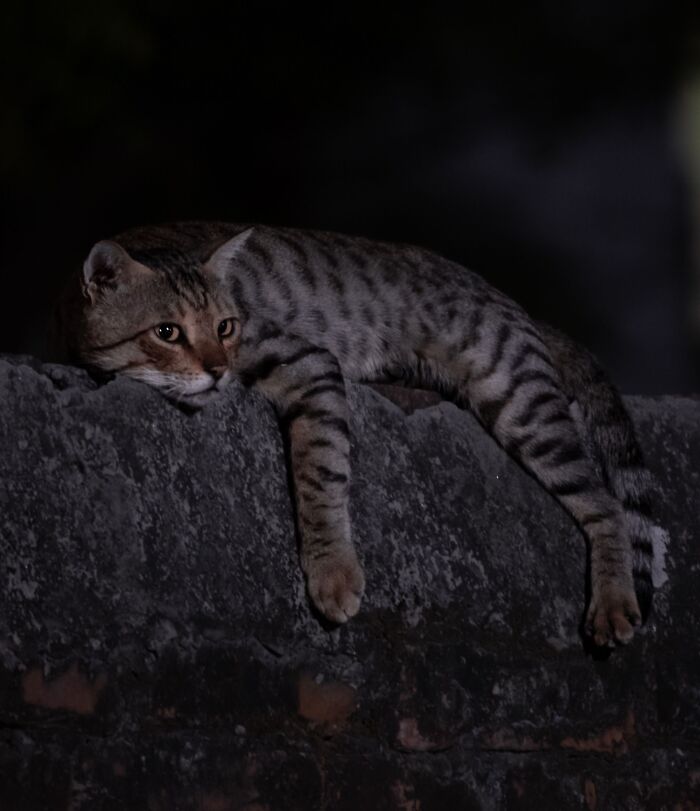
© Photo: Zazie Todd
This is a myth. Cats do not act out of spite or revenge. When we understand more about feline behavior, it becomes easier to see that there is usually an underlying reason for what appears to be "bad" behavior. For example, if your cat starts urinating outside the litter box, the first step should be a visit to the veterinarian to rule out any medical issues. Similarly, if your cat bites or swats when you try to pet them, it may be a sign that they are uncomfortable, overstimulated, or simply do not want to be touched at that moment. Giving cats a choice about whether to interact and keeping petting sessions short can help prevent these situations. Rather than assuming a cat is being difficult on purpose, it is more helpful to ask what they might be trying to communicate. In most cases, what looks like misbehavior is actually a response to stress, fear, discomfort, illness, or an unmet need.
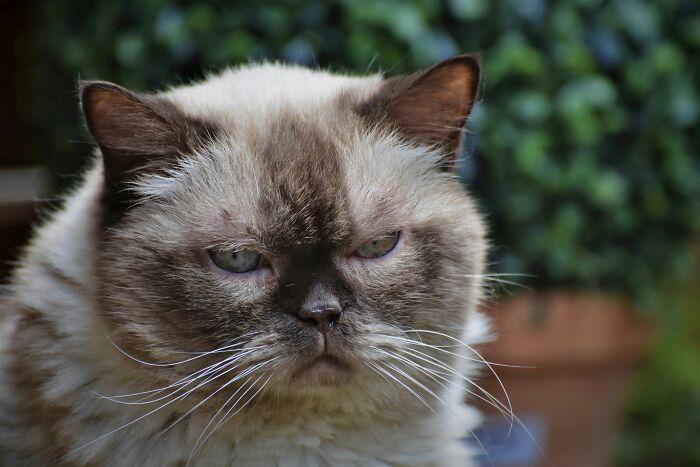
© Photo: Zazie Todd
Not always. Whether a cat lands on its feet depends in part on the height of the fall. Cats have an innate righting reflex that allows them to twist their bodies in midair and orient themselves feet-first as they fall. However, they need enough time and distance to complete this maneuver, and even when they do land on their feet, they can still be injured.
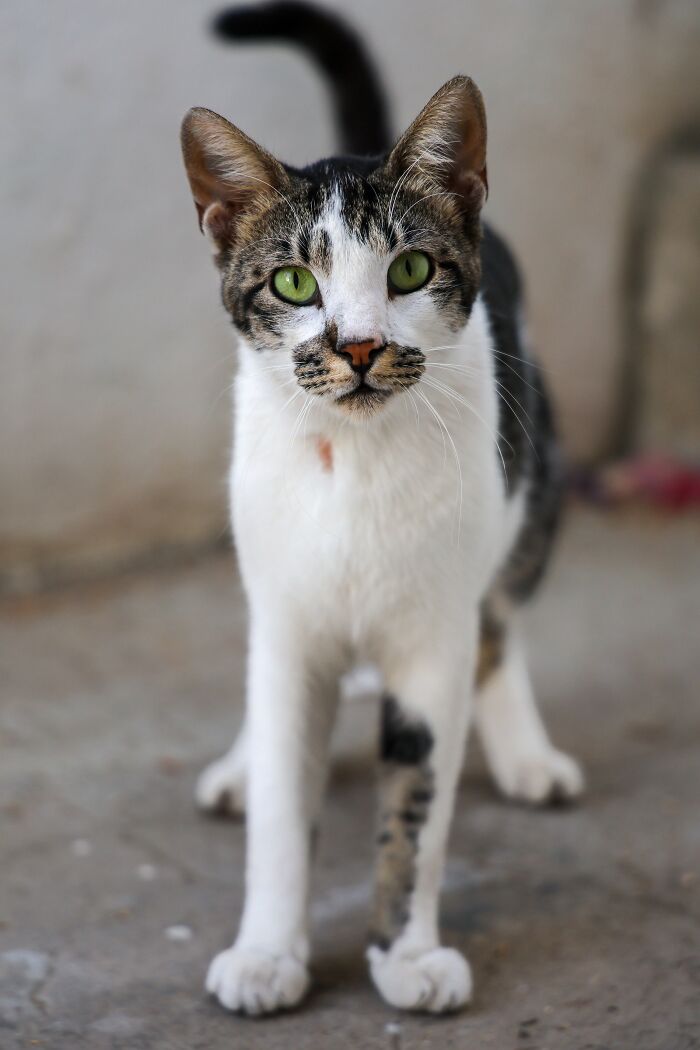
© Photo: Zazie Todd
When a cat’s tail is swishing, it is often a sign of arousal or heightened emotion. The exact meaning depends on the situation, but if you are petting a cat and their tail begins to swish or flick, it is usually a good indication that they are becoming overstimulated and would like the interaction to stop. Paying attention to these early body language signals can help prevent your cat from becoming uncomfortable and may reduce the likelihood of a bite or swat.
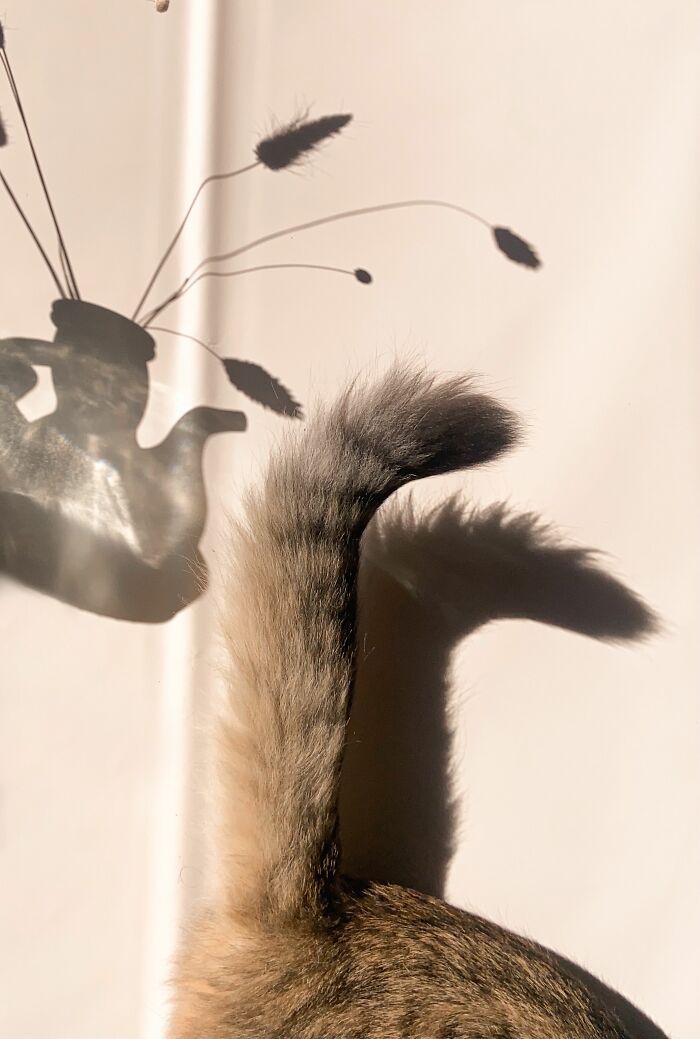
© Photo: Zazie Todd
It really depends on the individual cat and dog. Some dogs have a strong prey drive and may chase, injure, or even kill cats, while others are calm and friendly around them. Early experiences also play an important role. Kittens that have positive interactions with dogs during their socialization period are more likely to grow up comfortable around them. When introducing a cat and a dog, patience is essential. The process should be gradual, carefully managed, and always supervised. Giving both animals time to adjust at their own pace tends to lead to much better outcomes than simply putting them together and hoping they will work it out themselves. It's also important to make sure the cat has safe spaces they can retreat to if they feel overwhelmed. If you're planning to have both a cat and a dog, it is often easier if the cat is established in the home first. This allows the cat to feel secure in its territory before the dog is introduced, which can help reduce stress and make the transition smoother for both animals.
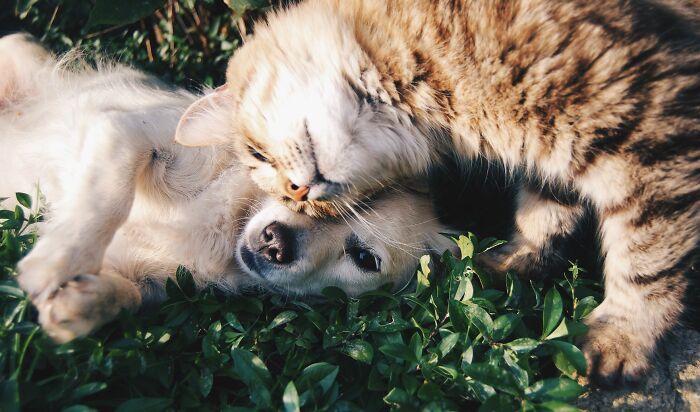
© Photo: Zazie Todd
AWS a-t-il ouvert le back-end d’AgentCore Runtime ?
Le lancement des microVM Lambda a poussé certains à faire le rapprochement. Il faut dire que les workloads agentiques apparaissent comme la principale cible de cette offre.
On y retrouve la technologie de virtualisation Firecracker, associée à SnapStart (utilisation d’instantanés pour éviter le démarrage à froid). En revanche, là où les fonctions Lambda « traditionnelles » se destinent aux applications pilotées par les événements et ont une durée d’exécution maximale de 15 minutes*, les microVM peuvent tourner jusqu’à 8 heures et ne nécessitent pas de gestionnaire de fonction (méthode qui traite les événements). Elles procurent par ailleurs des capacités spécifiques (accès shell, montage de systèmes de fichiers, installation de paquets…), par défaut sur le fondement d’une image de base Amazon Linux.
On package le code de l’application avec un Dockerfile que Lambda exécute. Une fois l’environnement initialisé, il capture un snapshot qui sert ensuite à lancer les microVM. Chacune a son point de terminaison public avec authentification JWE, gérant HTTP/1.1, HTTP/2, WebSockets, gRPC et SSE.
AWS propose 5 configurations de base allant de 0,5 Go de mémoire et 0,25 vCPU à 8 Go et 4 vCPU. Chacune peut scaler jusqu’à 4x, moyennant une facturation supplémentaire à la seconde. On peut les suspendre en cas d’inactivité – avec conservation de l’état de la mémoire et du disque – et reprendre automatiquement en cas de trafic entrant. Pendant cette période, on ne paye que pour le stockage du snapshot.
Les microVM Lambda ciblent les applications multilocataires où chaque utilisateur a besoin d’un environnement dédié pour exécuter du code tiers. Parmi elles, les scanners de vulnérabilités, les plates-formes d’analyse de données, les outils CI/CD et les serveurs de jeux qui exécutent des scripts fournis par le joueur. Mais aussi les sandbox IA.
AWS propose un déploiement de référence pour Claude Managed Agents. L’orchestration (modèle et harnais agentique) reste chez Anthropic, tandis que les outils s’exécutent dans des microVM (une par session Claude). Le seul trafic entrant est l’appel webhook. Le reste du workflow est en pull.

En plus des variables d’environnement définies à la création des images, on peut transmettre des paramètres de configuration à une VM donnée, lors de l’exécution.
Les microVM Lambda sont pour le moment disponibles dans une poignée de régions AWS, dont une en Europe (Irlande), sur ARM64. ClickHouse fait partie des entreprises à les avoir déjà mises en œuvre, pour porter divers cas d’usage de son moteur analytique « in-process » chDB. Entre autres :
* Hors « fonctions durables », dont l’exécution peut s’étaler sur 1 an, à renfort de checkpoints et de replays. Une option introduite en 2025.
Illustration principale © Aryan – Adobe Stock
The post Dopé aux microVM, Lambda se rapproche d’AgentCore appeared first on Silicon.fr.
It’s often said that people and their pets start to resemble each other over time, and artist Connie Kang became fascinated by this idea. Inspired by a memory game called “Do You Look Like Your Dog?” and “Do You Look Like Your Cat?” by photographer Gerrard Gethings, she began exploring this concept in her own unique way.
In this selection of illustrations, you’ll find some of Connie’s most recent animal-inspired illustrations, where she transforms animals into human characters, reflecting their personalities, quirks, and energy through expressive artwork. This time, the series also expands beyond animals, including creative portraits inspired by real-world places and locations captured in photographs, reimagined in her unique artistic style.
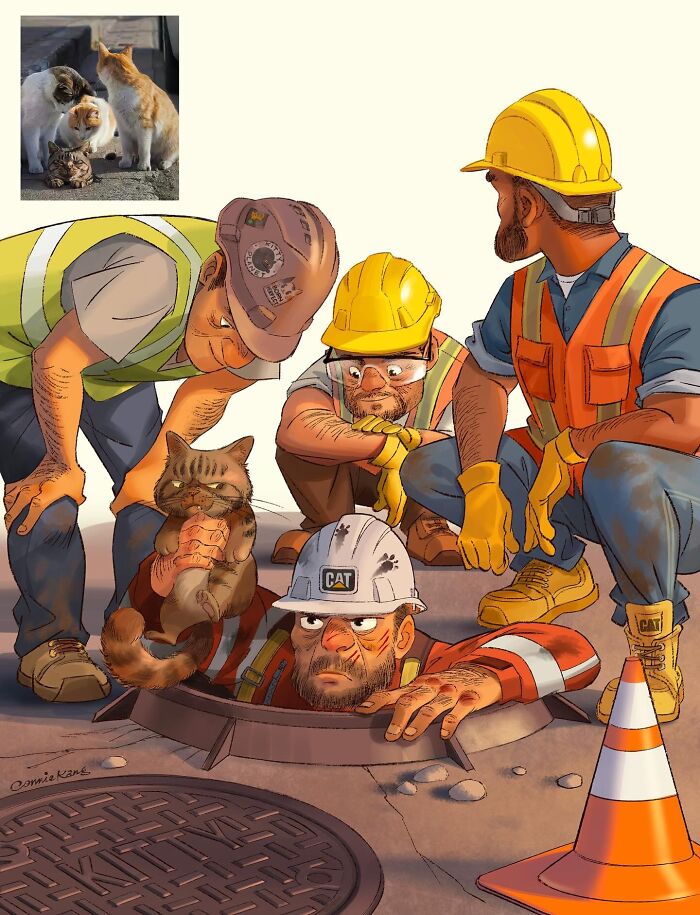
© Photo: kangyannan
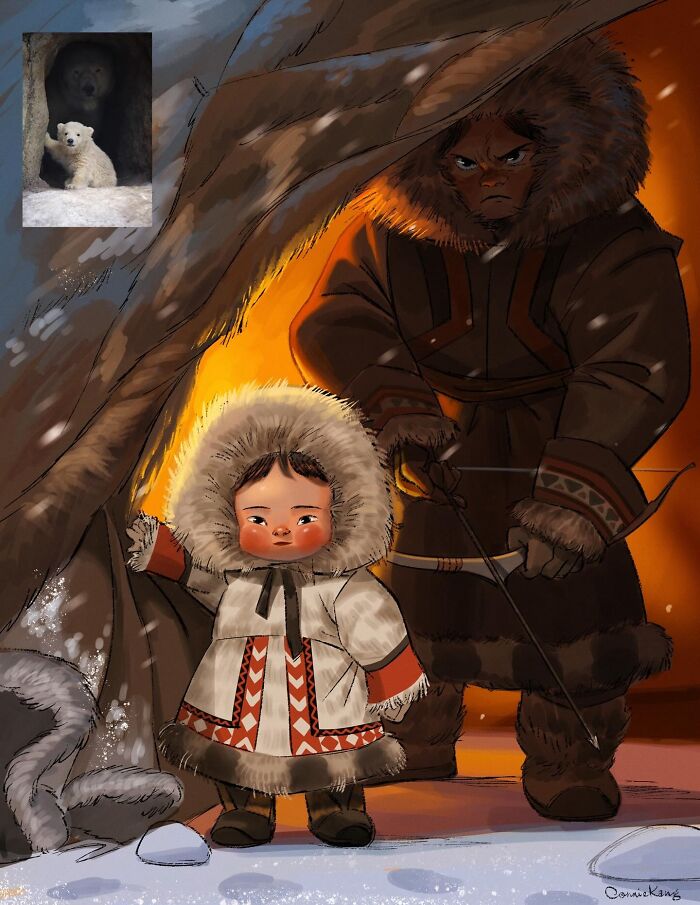
© Photo: kangyannan

© Photo: kangyannan

© Photo: kangyannan

© Photo: kangyannan
© Photo: kangyannan

© Photo: kangyannan

© Photo: kangyannan
© Photo: kangyannan

© Photo: kangyannan
© Photo: kangyannan
© Photo: kangyannan
© Photo: kangyannan

© Photo: kangyannan
© Photo: kangyannan

© Photo: kangyannan

© Photo: kangyannan
© Photo: kangyannan

© Photo: kangyannan
© Photo: kangyannan

© Photo: kangyannan

© Photo: kangyannan
Si vous avez encore un mot de passe identique sur trois sites, ou que vous vous dites "le 2FA c'est bien, mais je ferai ça plus tard", ce billet est pour vous. Proton Pass, c'est le gestionnaire de mots de passe de Proton, l'éditeur suisse derrière Proton Mail, Proton VPN, Calendar et Drive. On va voir ensemble quels sont les points forts, les limites et la vraie valeur ajoutée côté vie privée par rapport à d'autres outils du même genre.
Parce que Proton essaie de nous faire admettre qu'il est possible d'avoir un gestionnaire de mots de passe sérieux, open source, zero-knowledge, avec des alias email intégrés, sans payer 50 € par an. Du coup on va voir si l'affirmation se vérifie ou pas. Avec une promo tonton Korben rien que pour vous, ma bonté me perdra je sais ^^
Le premier truc à comprendre, c'est que Proton Pass est zero-knowledge. Pour les moins techos d'entre vous, cela veut dire que Proton ne peut pas lire vos données, même s'il le voulait. Tout est chiffré côté client (via AES-256-GCM, et votre clé de chiffrement dérive de votre mot de passe maître que Proton ne connaît jamais. C'est la même logique que Proton Mail, Proton Drive, Proton VPN . Zero-knowledge, justice suisse, en dehors des alliances de surveillance 5/9/14 Eyes et personne qui a les clés à votre place.
Mais ce qui rend Proton Pass vraiment différent là où les autres gestionnaires sont souvent juste "fonctionnels", c'est un ensemble de features qui touchent à l'identité et à la vie privée, pas juste à la sécurité brute. Point important, 2 audits indépendants (Cure53 en 2023 et Recurity Labs 2026 ). Extensions navigateurs, applis mobiles/desktop et même l'interface en ligne de commande ont été passées au crible.

Voici les principaux points de différence qui font que Proton Pass se distingue de la masse (selon bibi) :
C'est ZE fonctionnalité qui claque. Proton Pass intègre nativement Hide-my-email, hérité de SimpleLogin, un très bon outil de messagerie anonyme open source qu'ils ont racheté en 2022.
Le principe est aussi simple qu'efficace puisque cela vous permet de générer des adresses email aléatoires qui redirigent vers votre vraie boîte. Vous ne donnez donc jamais votre vraie adresse à un site. Lorsque vous créez un compte, vous choisissez un alias, et l'alias reçoit les emails comme s'il était la vraie adresse. Le nombre d'alias est de 10 dans la version gratuite (cette dernière propose par contre un nombre illimité de mots de passe et d'appareils), mais si vous avez besoin de plus, il y a le Pass Plus (alias illimités, domaines perso, envoi depuis l'alias, etc.).
C'est massif comme diraient les djeuns, parce que peu de concurrents l'intègrent nativement dans le gestionnaire. Vous avez des outils comme AnonAddy ou des services externes, mais ici c'est intégré dans le flux de création de mots de passe. Vous créez un login, vous choisissez un alias, vous validez. Basta. C'est déjà un niveau de privacy en avance et surtout ça se fait le plus facilement du monde quel que soit votre niveau.
Outre l'utilisation de l'algo de niveau militaire AES-256-GCM (le même que la plupart des outils du genre), Pass ajoute un point technique fort, souvent ignoré par les concurrents. Proton Pass chiffre en effet aussi les métadonnées (URLs, usernames, noms de dossiers). La plupart des gestionnaires laissent ces champs en clair côté serveur, ce qui permet un profilage possible (quels sites vous utilisez, quelle fréquence, etc.).

De son côté, Proton chiffre ces champs, ce qui empêche la société de voir ce que vous faites. C'est un point moins visible côté UX, mais massif pour la vie privée.
Proton Pass intègre un authentificateur 2FA/TOTP, sans avoir besoin d'un outil séparé comme Authy ou Google Authenticator. Vous pouvez générer vos codes 2FA directement dans le gestionnaire, au moment de la connexion. Depuis début 2026, les passkeys sont aussi illimitées, même sur le plan gratuit. C'est un vrai plus pour remplacer les 2FA classiques par une méthode plus moderne et plus sécurisée, sans payer un supplément.
Et bien sûr, l'autofill et la synchro entre vos différentes machines (navigateurs Safari/Edge/Firefox/Chrome ...) et OS (macOs/iOS, Android, Windows) sont en place. Sur les versions payantes il y a même une surveillance continue du darknet (Monitor) pour vous prévenir si un de vos mails a fuité et une protection anti-phishing (Sentinel). Que demande le peuple ?
Proton est l'éditeur de Proton Mail, Proton VPN, Proton Calendar, Proton Drive, tous zero-knowledge. Proton Pass fait partie du même écosystème , avec un seul compte, une logique cohérente. Si vous utilisez déjà Proton, c'est un package complet. Si vous venez de Google, LastPass, 1Password, c'est une alternative sérieuse.
Et si vous avez des besoins un peu plus larges il y a les packs Family (pour 6 utilisateurs avec les fonctions Pass Plus, panneau admin, etc.) ou Pass for Business , qui est la version entreprise (avec logs d'activité, SSO/SCIM et depuis peu la gestion par groupes). Bref, un un vrai plus pour la gestion des équipes, car ça permet à l'administrateur de suivre qui a des mots de passe faibles, qui réutilise les mêmes à gauche et à droite, etc.

Sans compter que bientôt de nouvelles fonctionnalités vont arriver, car Proton Pass a une roadmap claire pour cette année : organisation plus fine via dossiers/sous-dossiers, agent SSH (stockage de clés SSH), amélioration de l'autofill, gestion par groupes en B2B, gestion des tokens d'accès pour les agents IA. C'est un produit qui bouge, pas un gestionnaire statique comme trop le sont devenu.
Sans creuser plus que ça, on peut le comparer assez rapidement avec les gestionnaires les plus connus. Chacun ayant ses avantages et ses inconvénients donc à voir selon votre profil.
Et pour vous partager la table de comparaison un peu plus visuelle du site Proton (c'est un peu plus complet) :

Vous voulez passer à Proton depuis un autre gestionnaire de mots de passe ? C'est facile, Pass vous propose un import automatique en quelques clics.
Si vous voulez tester Proton Pass sans vous prendre la tête, il y a une série d'offres spéciales tonton Korben, toutes sur la même page. Proton Pass tout seul, c'est 12 mois à -50%, soit 2,49 €/mois. Pour équiper toute la famille, le pack Pass Family est à -40%, soit 4,19 €/mois (jusqu'à 6 personnes). Et si vous voulez le grand chelem (Pass + VPN + Drive + Mail), Proton Unlimited est à -30%, soit 9,09 €/mois. De quoi essayer toutes les features premium (alias illimités, 2fa intégré, passkeys, monitoring dark web, etc.) sans vous prendre un mur côté budget.
Note : en partenariat avec Proton. Ce billet est rémunéré. Le lien affilié ne change pas le prix pour vous.
Admettons que vous ayez besoin de transmettre des fichiers d'une machine A à une machine B, le plus vite possible et sans vous prendre la tête ?
Et bien j'ai ce qu'il vous faut et ça s'appelle USB4STREAM, qui vient d'être fraîchement mergé dans Linux 7.2. C'est Intel qui a pondu ce protocole "super simple" (c'est leur expression) pour balancer des paquets bruts d'une machine à une autre, directement par le câble USB4 ou Thunderbolt sans serveur intermédiaire... Juste deux bécanes et un fil.
Et effectivement, comme ils le disent, c'est super simple ! Une fois le module chargé et le stream configuré (un petit tour par ConfigFS pour faire apparaître le device), votre noyau expose des périphériques /dev/tbstreamX, et n'importe quelle application qui sait faire un read/write peut alors taper dedans.
Vous branchez le câble, et il vous suffit ensuite d'écrire dans le device qui doit expédier les données d'un côté, puis de les recevoir sur l'autre machine. C'est tout... Du Unix pur jus, où tout est un fichier.
Et les usages sont beaucoup plus larges qu'on ne croit... Y'a donc du transfert de fichiers d'un ordinateur à un autre, évidemment (un peu comme Croc , mais sans passer par le réseau du tout) mais aussi, pourquoi pas, du partage de webcam entre deux systèmes, ou permettre un accès à n'importe quel flux de données brutes en basse latence. Ainsi, plus besoin de passer par des serveurs tiers dans le cloud, ou d'installer un outil de transfert en réseau local .
Ça me rappelle quand je jouais avec les copains à des jeux vidéos en utilisant un port série sur le PC... À l'ancienne comme on aime, sauf qu'on est en 2026 et qu'on a maintenant 40 Gb/s dans le tuyau !
Puis contrairement à Thunderbolt qui nous promettait la vitesse de l'éclair il y a plus de dix ans (ouais, je vous sors les archives là...lol), là c'est natif Linux, et dispo pour tout le monde via un simple device !

Le choix raffiné : le câble, pas le cloud
Le patch d'Intel est d'ailleurs passé tranquillou puisqu'ils l'ont glissé dans le pull USB/Thunderbolt de la merge window, et c'est Linus Torvalds lui-même qui l'a mergé sur master sans la moindre objection. Et quand Linus laisse passer sans râler, c'est plutôt bon signe.
Le reste du lot vaut le coup d'œil aussi puisque cette même pull améliore l'allocation des tunnels DisplayPort en multi-écran sur Thunderbolt, et ajoute un pilote de température pour le contrôleur xHCI du chipset AMD Promontory 21. Notez que ce dernier a été écrit en partie par Codex, l'agent de codage d'OpenAI... Mais balek tant que c'est propre et que ça fonctionne.
Bref, si vous avez deux machines en USB4 sous la main, gardez un œil sur le noyau Linux 7.2...
Si vous ne connaissez pas, un favicon, c'est cette mini icône pixelisée que vous pouvez voir dans l'onglet de votre navigateur qui en général est le logo du site que vous visitez. Hé bien le dev Tim Wehrle a réussi à y faire tenir un site web entier en stockant tout son HTML dans les 212 octets de l'image.
L'astuce est toute con vous allez voir... Une image, c'est des pixels. Et chaque pixel a 3 valeurs : rouge, vert, bleu, soit 3 octets. Du coup il prend son HTML, le découpe octet par octet, et colle chaque octet dans une couleur. Premier octet dans le rouge, le suivant dans le vert, puis le bleu, et on continue ainsi de suite. Et voilà comment il arrive à stocker 208 octets de HTML dans un carré de 9 pixels sur 9. Et au final, le truc ressemble à des confettis random.

Pour relire tout ça ensuite, un peu de JavaScript suffit. Le navigateur charge l'image, la passe dans un canvas, relit chaque pixel, recolle les octets et réaffiche la page. Il n'y a donc rien à installer et pour tester ça par vous-même, il a même mis une démo ici où vous pouvez regarder l'encodage / décodage se faire sous vos yeux ébahis.
Maintenant, n'espérez pas faire tenir votre site e-commerce là dedans hein puisque la capacité plafonne à 239 octets. Et sans le bout de JavaScript qui décode, le favicon tout seul ne servira à rien. Et ce n'est pas de la stéganographie non plus puisqu'on ne planque rien dans une vraie image. La data c'est l'image...

Mais c'est le genre de hack inutile que j'adore ! Le code est sur GitHub si vous êtes curieux et il raconte toute sa démarche sur son blog .
Summer is already happening, and Prime Day just made it significantly more affordable to do it properly. Whether the plan involves a backyard that finally lives up to its potential, a camping trip that has been on the calendar since January, or simply surviving the heat with more grace than last year, this list has the outdoor essentials worth grabbing while the deals are live.
July 23rd through 26th is the window, and the savings across outdoor, garden, and backyard categories this year are genuinely worth showing up for. From sunup to sundown, and everything that happens around a fire pit after that, consider this the summer upgrade list that Prime Day just made a whole lot easier to justify.
Review: "Wow! I love heels but have lately been having foot pain due to a Morton’s Neuroma. I’ve been living in crocs and I got these hoping they would be just as comfortable as regular crocs and they are!!!!! Now I have something cute to wear on Sundays when my foot is acting up… well I will wear them all the time anyway! They are just as squishy as regular crocs! Now I’m going to save up and get an all black pair. I’m normally a 6.5 and a 7 in crocs and I got these in a size 7 and they fit perfect. I have very small ankles and they adjust and fit perfectly." - LadyFitzgerald
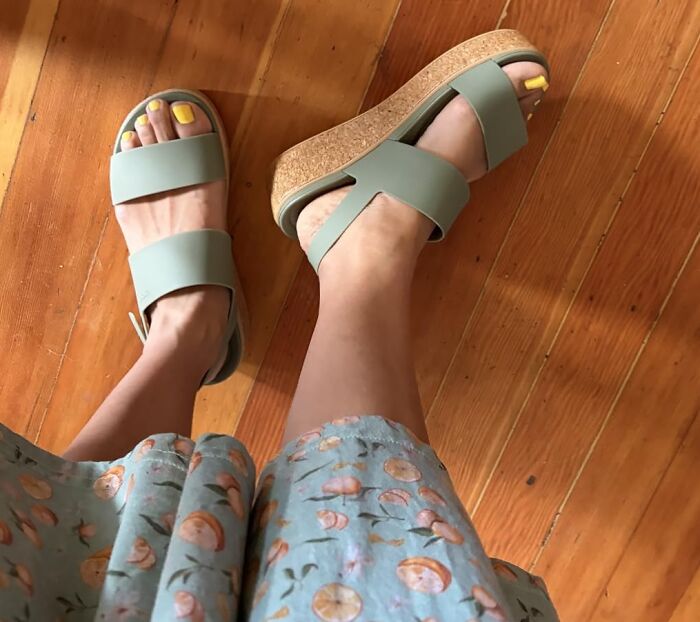
Buy Now: amazon.com
Review: "I ordered the smokeless 20” pit and the heat shield. We had our first burn in it and once the fire is going it really is smokeless. Needless to say it was a hit. The heat deflector is a must have and pushes the heat out very well. It’s very therapeutic to watch the smoke burn off. It’s also cost a fraction as the name brand pits but does the same thing. Only con is the wood you put in it will need to be cut into smaller chunk size piece. For full length wood(18”) id look into a bigger unit. But I had some pine I cut down into 12” chunks and it burned very clean. Also very light weight, portable and easy to remove the ashes." - Justin
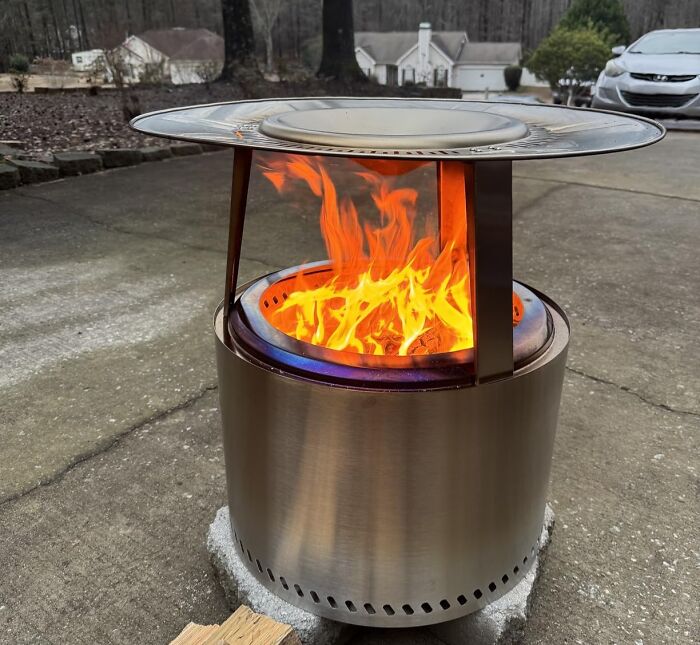
Buy Now: amazon.com
Review: "Arrived with no issues. Connected to wifi with no issues. It's just another great product from Govee for my smart home. I made a couple of batches of ice and tossed them to clean it out. It shuts off fine when ice tray is full or out of water." - Blue River Lore
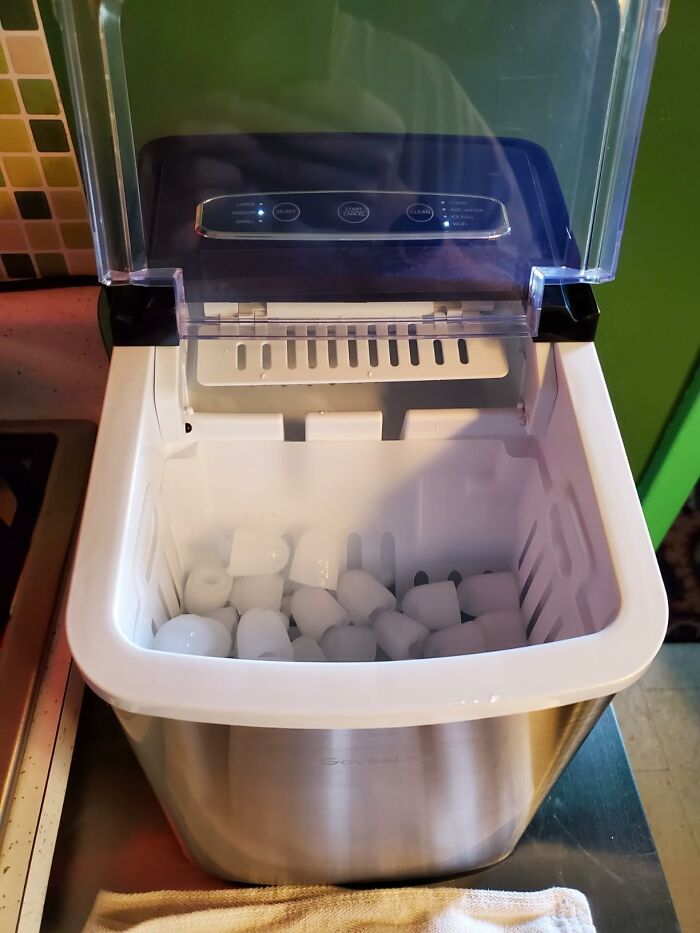
Buy Now: amazon.com
Review: "Great price point for this Stanley bag. Get the Midi. It’s slightly bigger. Holds ice well and isn’t too bulky. Matches the seafoam color perfectly." - Stephanie
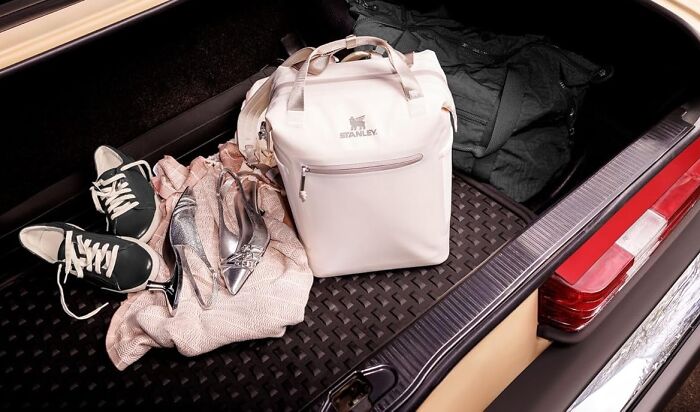
Buy Now: amazon.com
Summer entertaining has a way of exposing every gap in the outdoor setup all at once. The cooler that doesn't hold temperature, the chairs that were never quite right, the lighting situation that sends everyone inside before the night is over.
Prime Day is the one moment in the year where fixing all of it at the same time actually makes financial sense, and the deals on this list are broad enough to cover whatever the backyard has been missing since last season.
Review: "It Smells very good. I buy it every summer. I highly recommend it." - Edwin
Buy Now: amazon.com
Review: "I just love sitting outside with my Tiki style torches on. The flicker feels so real and they bring such a wonderful and fun ambiance to my yard. The light temperature is just right." - Wendy Williams
Buy Now: amazon.com
Review: "I purchased this tent 5 years ago and can’t believe how well it’s held up!!! It’s been caught in storms, tossed around vehicles and stored in my garage. It only takes a couple minutes to set up or breakdown. Probably the best thing I have purchased on Amazon." - Jun J
Buy Now: amazon.com
Review: "Was tough enough to handle the vegetation on the banks of the river. Sturdy and comfortable. Really liked the cooler, although I used it more as a storage space. Very pleased with it!" - Katy Richards
Buy Now: amazon.com
Beyond the backyard, the best outdoor summers are the ones where the gear actually keeps up with the plans. A spontaneous beach day, a last-minute camping trip, an afternoon at the park that turns into an evening nobody wanted to end, none of that happens quite as well without the right equipment backing it up.
Everything still to come on this list was chosen because it travels well, performs better than expected, and makes whatever you had planned feel as if you prepared for it weeks in advance, even if you ordered it yesterday.
Review: "Best cabana at the beach! This is a must super cute and high quality! Easy to assembly and put up. Perfect protection from the sun for my daughter’s play area at the beach!" - Emily

Buy Now: amazon.com
Review: "Great product works super great especially attaching it to a cable and or another fixed object for longevity." - Jason
Buy Now: amazon.com
Review: "Lightweight and very comfortable. Easy to carry, quick to set up, and surprisingly stable on sand. Comfortable to sit for a long time — perfect beach chair. I use it often in Oahu, Hawaii." - Anna
Buy Now: amazon.com
Review: "Wow, wow, wow! What an amazing product. As RVers, we find this collapsible cooler incredibly useful. The overall quality is very good, and the lid provides an excellent seal. The cooler collapses into a compact package that stores easily in an RV or vehicle, as shown in our SUV photo. We have used this cooler on multiple grocery runs and have experienced no issues keeping food and beverages cold with reusable ice packs. For RVers, campers, or anyone short on storage space, this cooler is an easy recommendation." - MKWilli
Buy Now: amazon.com
Review: "This is exactly what I was expecting and hoping for. The bags are a proper weight for throwing, and I really enjoyed the waterproof carrying case that came with it." - Laura Pollock
Buy Now: amazon.com
Review: "I read the reviews that this was easy to put together, and it really is. I honestly cannot put anything together, ever, but decided to give this a try. It just snaps together and the directions are straightforward, completely straightforward. This took me maybe 5 minutes. I wanted something to hide my leaf blower, extension cord and watering can. It all fits with room to spare. It’s a little darker than I anticipated, which actually matched better. It’s not the sturdiest, but it’s pretty well made and should hold up well enough. I like it; it was a good purchase." - Michelle S
Buy Now: amazon.com
Review: "Small but powerful. This portable fan has three levels and it's very convenient whether for office, car, or events. Highly recommend!" - Winnie
Buy Now: amazon.com
Review: "I’m surprised of the quality of the garden hose!! It’s very maneuverable and lightweight the connection with the head spray very good material it don’t slip out of my hand ( bring extra O’ring) it does not leak and have so much different types of pressure." - Jasmine
Buy Now: amazon.com
Review: "Was looking for a sturdy volleyball net for the beach. We purchased one before and it did not hold up so wasn’t expecting this to be good, but it held up so well. Easy to set up. Would recommend if you’re looking for a beach volleyball net." - Joan
Buy Now: amazon.com
Review: "Simple, fast and comfortable sleeping mat for camping. It rolls up really well and fits into a small bag, so takes up no space at all. Built in foot pump is awesome and deflating is quick. Roll and go!" - Cory
Buy Now: amazon.com
Review: "Fits this old deck chair well! It has a pocket on the top the fits over the head of the chair. There are two tie strings that line up perfectly to the cross bars on the frame. As long as the material weathers well, I’m going to be very happy." - MDJ
Buy Now: amazon.com
Review: "Love Love Love. Great scent throw, effective, lasting great all day odor protection, dries fast; it is a serum and it is liquid so it needs a few to dry but its a lovely texture and smells wonderful. The acids help exfoliate the skin and keeps it soft. No residue on clothing. Easy to use and keep clean. Safe for all skin types. I wanna try all the flavors!" - jaimilee
Buy Now: amazon.com
Review: "I have only had for few weeks and used 3 times, but it's worth the money. Juice fully extracted and few pulps" - ok

Buy Now: amazon.com
 Le 5 juillet 2026, L’Envol des Pionniers invite les familles à se surpasser lors de l’événement gratuit Tous Audacieux ! Programme complet.
 Choosing whether or not to have kids is a deeply personal decision. And yet, people who choose to stay childfree often find themselves repeatedly explaining that choice to others. Friends, family, and even acquaintances sometimes feel the need to question it or try to convince them they’ll eventually change their mind.
One woman shared how her friend kept pushing the topic for years, even though she had always been clear about not wanting children. The final straw came at a wedding, when the friend loudly told her across the table, “Well, I hope you get pregnant.” What happened next left everyone at the table stunned—keep reading to see how she responded.

Image credits: AI25.Studio/Pexels (not the actual photo)
Image credits: Ayşenur Tekinel/Pexels (not the actual photo)

Image credits: suzy9mm
Image credits: Nuwan Bandara/Pexels (not the actual photo)
Parenting is no easy task, and most of us have heard the stories (whether from friends, cousins, or coworkers) about sleepless nights, endless laundry, and the chaos of raising little humans. In fact, the internet is packed with memes joking about the daily struggles of being a parent. Yet despite all the challenges, many moms and dads say the journey is deeply rewarding. For them, the joy of watching a child grow often outweighs the exhaustion. Parenting can bring meaningful moments, strong family bonds, and a sense of purpose that many people cherish. At the same time, it’s also a life choice that requires time, energy, and long-term commitment. And that’s exactly why some people take their time thinking carefully about it.
Beyond the day-to-day challenges of raising a child, there are many factors people consider when deciding whether parenthood is right for them. In recent years, more Millennials and Gen Z adults have openly talked about choosing to delay or skip having children altogether. Research from the Pew Research Center shows that the U.S. fertility rate reached a historic low in 2023. At the same time, a growing share of women ages 25 to 44 report that they have never given birth. These trends reflect changing lifestyles, priorities, and economic realities. People today are thinking differently about relationships, careers, and personal goals. And for some, that reflection leads to a different vision of adulthood than previous generations had.
One of the biggest factors influencing this decision is finances. Raising a child can be incredibly expensive, and many young adults are becoming more aware of those costs before making long-term commitments. According to a survey by MassMutual, nearly a quarter of Millennials and Gen Z adults without children say they don’t plan to become parents. Their main reason? Financial concerns. From childcare to healthcare and education, the price of raising kids can feel overwhelming. Many people worry about whether they’ll be able to provide the lifestyle and opportunities they would want for their children. As a result, finances have become a major part of the conversation around family planning.
That same survey revealed something interesting about how people think about money and parenthood. About 23 percent of adults between the ages of 18 and 43 said their decision to remain childfree is tied to two key financial concerns. First, many value the financial flexibility that comes with not having children. Without the costs of childcare, schooling, and other expenses, people often feel they have more control over their budgets. The second concern is uncertainty about whether they could comfortably afford the long-term costs of raising a child. For some, the question isn’t about whether they want children; it’s whether they could realistically support them without constant financial stress.
When you look at the bigger picture, those concerns start to make sense. Living costs have been steadily rising in many parts of the world. Rent, groceries, healthcare, and everyday expenses can already stretch budgets pretty thin. Buying a home, something many people once considered a major step before starting a family, has also become far more difficult for younger generations. With student loans and economic uncertainty in the mix, financial stability can feel harder to achieve. For many couples or individuals, the idea of adding the cost of raising a child on top of everything else can feel overwhelming. So naturally, people are thinking twice before making that decision.
And then there’s the sheer cost of raising a child itself. In a piece discussing the topic Fox News mentions, experts estimate that raising a child to the age of 18 now costs over $300,000 in the United States. And that number doesn’t even include college expenses. Once higher education is factored in, the total can easily climb into six figures more. When you break it down, the expenses add up quickly—food, clothing, healthcare, school supplies, childcare, and extracurricular activities. Over the years, these costs can quietly stack up into a massive financial commitment.
Image credits: Rene Terp/Pexels (not the actual photo)
For some individuals, the decision not to have children is also influenced by health or genetic concerns. Certain people live with medical conditions or inherited disorders that they worry could affect future children. Others may carry personal experiences with illness in their families that make them cautious about passing those challenges along. These decisions are often deeply personal and emotional. People who make them usually spend a lot of time reflecting on what feels right for their circumstances.
There are also lifestyle reasons why some people choose to remain childfree. Many say the choice allows them to dedicate more time to hobbies, interests, and passions that matter to them. Without the responsibilities of parenting, they might travel more, explore creative pursuits, or invest more energy into personal growth. Others focus on building their careers, saving for the future, or maintaining an active social life. For these individuals, the freedom to shape their lives in different ways feels fulfilling. It’s not necessarily about rejecting family life; it’s simply about prioritizing different goals. And for them, that path feels right.
Ultimately, deciding whether or not to have children is a deeply personal choice that looks different for everyone. Some people dream of becoming parents and building a family, while others feel happier pursuing different life paths. Neither decision is inherently right or wrong. What matters most is that individuals feel supported in making the choice that aligns with their values, circumstances, and well-being. Conversations about parenthood are becoming more open and nuanced as society evolves. And perhaps the most important takeaway is that everyone deserves respect for the life they choose to build.
In this particular case, it seemed like the author’s friend simply refused to respect her decision to remain childfree and kept pestering her about it for years. Eventually, the author decided to stand her ground and respond firmly when the comment crossed the line. What are your thoughts on this situation? Do you think she handled it the right way?





“Turn and face the strange, ch-ch-changes
Pretty soon now you're gonna get older
Time may change me, but I can't trace time…”
David Bowie’s iconic song may have been about reinventing himself as an artist and the inevitability of aging, but it’s something that we can all relate to. We’re constantly evolving, and so is the world around us.
Below, you’ll find a list that Bored Panda has compiled of then-versus-now photos of famous places in the United States. As you’ll clearly see, these cities and landmarks have undergone massive changes, and it’s fascinating to examine how they’ve occurred. Enjoy scrolling through these images, and be sure to upvote the ones that inspire you to take a trip down memory lane too. © Photo: PhilGrishayev © Photo: HD_Adventure © Photo: sweetz55 Compared to the rest of the world, the United States is a pretty young country. It’s only been around for 250 years, while some have been standing for over a thousand years. Because the nation is so young, it has transformed an incredible amount over the past two centuries. And the places that have changed the most drastically are the cities. There are plenty of small towns in the U.S. where you can still find dirt roads today, but the nation’s largest cities are sprawling metropolises with seemingly endless highways and millions of homes. The most important and influential cities in the nation haven’t always been the same, though. © Photo: reddit.com © Photo: Eddielowfilthslayer © Photo: PugetSoundOgre Back when the country was formed, New York City, Philadelphia, Boston, Charleston, and Baltimore were powerhouses. And while they’re all still important today, some have become overshadowed by younger cities like Los Angeles, Atlanta, and Houston. And according to The Atlantic, the prominence of certain cities has changed drastically between 1978 and 2010 as well. Detroit, St. Louis, Cleveland, New Orleans, Kansas City, Milwaukee, Columbus, Indianapolis, and Buffalo have all dropped significantly in GDP rankings. Meanwhile, Washington, DC, Dallas, Phoenix, San Diego, Denver, Tampa, Portland, Orlando, and Sacramento made huge strides in improving their rankings. © Photo: karmacannibal © Photo: dominicmannphoto © Photo: mablox These changes are still happening today, though. Good Migrations notes that a handful of cities have rapidly changed even in the last five years. These include Boise City (ID), Provo (UT), Lakeland (FL), Austin (TX), and Huntsville (AL). The transformations that these cities have experienced can be attributed to an increase in job opportunities, an increase in population, an increase in GDP, and more. Along with all of these changes often come more tourism, more cultural and arts events, and perhaps even happier populations. © Photo: ParaMike46 © Photo: hankmeisterr © Photo: sethsta One thing that makes the United States unique (for better or worse) is the highway system that the country has. And that has definitely changed an incredible amount over the past century. According to Vox, 48,000 miles of highways were added to the nation between the 1950s and 1970s. These gave rural residents access to cities and allowed people who worked in cities to move to suburbs, while still having easy access to their jobs and communities. But there were certainly downsides to these highways as well. © Photo: reddit.com © Photo: spkelly37 © Photo: DrDMango Peter Norton, a historian at the University of Virginia, told Vox that there was almost always discrimination involved when determining where these highways would go and whose communities would be impacted by them. “The explanation, in almost every case, is that the relatively well-off, influential people in those cities were able to stop the urban highways that would have gone through their neighborhoods," Norton says. He cites the example of Wisconsin Avenue in DC, which was supposed to become a highway but never did because wealthy residents protested. "The destruction mostly happened in the most disenfranchised neighborhoods. It's astounding how selective it was." © Photo: stumpjungle © Photo: strikejay © Photo: SimplySeager Despite how much American cities have changed already, it’s likely that the transformations won’t stop any time soon. There is a movement for walkable cities that is gaining traction in the U.S., and hopefully, many more communities will have options available for transportation other than just cars. In fact, a recent survey found that six out of 10 builders are now moving away from large homes and focusing their attention on creating walkable neighborhoods. 56% of Americans even say they would be willing to move and have a smaller yard if it meant they lived in a more walkable neighborhood. Times are changing! © Photo: andeo1996 © Photo: mrl33602 © Photo: stumpjungle Are you enjoying these photos that tell stories about how much the United States has changed over time, pandas? Keep upvoting the ones that you find most fascinating, and let us know in the comments below how you’d like to see your own city transform. Then, you can find another article from Bored Panda featuring interesting American cities right here! © Photo: Objects_Food_Rooms © Photo: Actual_Macaroon_3024 © Photo: stumpjungle © Photo: stumpjungle © Photo: stumpjungle © Photo: stumpjungle © Photo: stumpjungle © Photo: VaDOT © Photo: ForwardGlove © Photo: chriscambridge © Photo: pappard57 © Photo: reddit.com © Photo: Just_Another_AI © Photo: Weasley9 © Photo: Weasley9 © Photo: Le_Rat_Mort © Photo: TogderNodger © Photo: Christopherfromtheuk © Photo: chazwazzle © Photo: Lepke2011 © Photo: Lepke2011 © Photo: Lepke2011 © Photo: stumpjungle © Photo: ForwardGlove © Photo: wobbly_pop_tendy © Photo: dctroll_ © Photo: Delighted_Strawberry © Photo: Lepke2011 © Photo: stumpjungle © Photo: vilify97 © Photo: stumpjungle © Photo: MrMacBro © Photo: ForwardGlove © Photo: reddit.com © Photo: pancakeking1012 © Photo: 5_Frog_Margin © Photo: sethsta © Photo: Le_Rat_Mort © Photo: Lepke2011 © Photo: Lepke2011 © Photo: stumpjungle © Photo: stumpjungle © Photo: stumpjungle © Photo: Hobbz11 © Photo: stumpjungle © Photo: stumpjungle © Photo: stumpjungle © Photo: ForwardGlove © Photo: ForwardGlove © Photo: ForwardGlove © Photo: ForwardGlove © Photo: ForwardGlove © Photo: ForwardGlove © Photo: okgusto © Photo: TheSandPeople © Photo: RyeTiliDie © Photo: iconoclastickangaroo © Photo: DTheDev © Photo: sethsta © Photo: No Longer Here © Photo: No Longer Here © Photo: No Longer Here © Photo: No Longer Here © Photo: jesseberdinka © Photo: alanboston © Photo: IWasGregInTokyo © Photo: Lordcrappington © Photo: corso923 © Photo: No Longer Here © Photo: No Longer Here#1 Once Upon A Time In America Iconic Scene Then And Now (1984-2019)
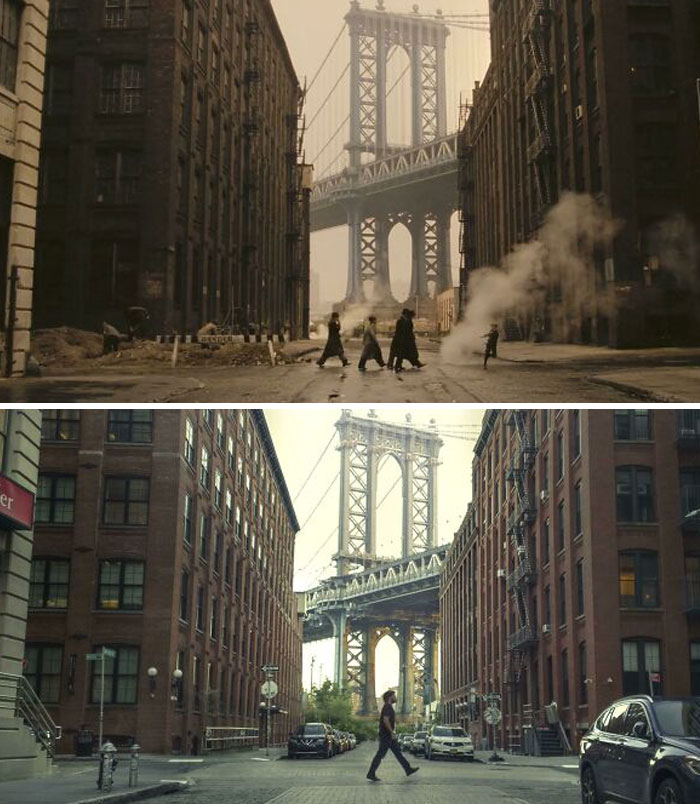
#2 Hoover Dam Water Level July 1983 vs. December 2022
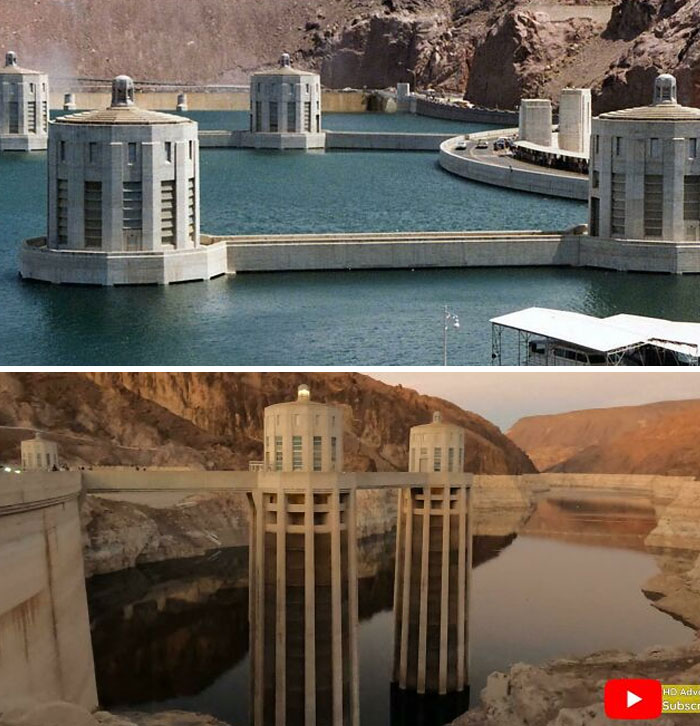
#3 University Of Montana ~150 Years Apart
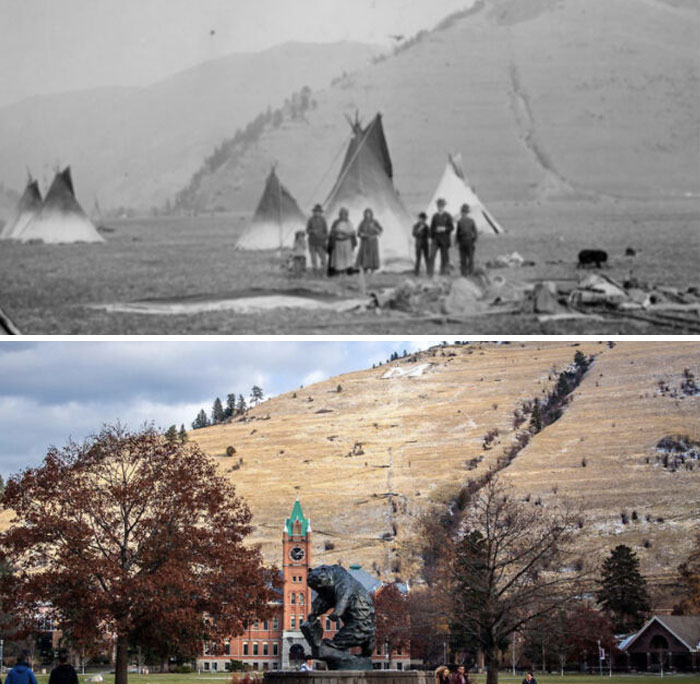
#4 What An Abandoned Mansion Looks Like As It Deteriorates When It's Not Cared For Between 1965 And 2012
#5 Tunnel Rock At Sequoia National Park, 1952 And 2020
#6 The Pines, Fallsburg, NY. (1950's-Semi Recent) Not Mine, I Thought It Belonged Here. I Borrowed This From Deadmotelsusa On Instagram
#7 Fresh Prince Basketball Court 1990 vs. Now
#8 Charlotte, NC: Unsure Of The Year, But I Found What Appeared To Be A Dirt Track Near My Workplace On Google Maps. I Did Some Research And Went To Check It Out
#9 We Lost Amy Winehouse 10 Years Ago Today. Here She Is Back In 2007 In NYC

#10 Manhattan In 1851 And Today
#11 Waiting Area In Michigan Central Railroad Depot, Detroit (1965 And 2014)
#12 Theodore Roosevelt Would Be Proud
#13 Unfinished Manhattan Bridge In 1908 And Now
#14 Woodstock Festival Site- 1969 / 2020

#15 Chicago In The 1930s vs. Today
#16 2117 Vyse Ave, Bronx 1989 And Today

#17 Grand Central Terminal, NYC. 1912 Top, 2021 Bottom
#18 Before And After, Seattle Wa
#19 1878 - 2022. Tetons. Not Much Has Really Changed In This Photo. But I Still Think It's Neat
#20 1939/2021
#21 1091 E. 165th St, Bronx 1987 And Today
#22 A New York City Street - 1984 And Present Day
#23 Old vs. Now
#24 Sneffels Revenue Mine Colorado 1896 And Now
#25 St. Elmo Colorado 1890 And Now
#26 Stunner Colorado 1913 And Now
#27 Silver Cliff Colorado Fire House And Now
#28 Sneffels Colorado 1897 And Now
#29 Then And Now — Salem, Virginia
#30 Detroit, Michigan Before And After
#31 The Flatiron Building, New York (1917 And 2012)

#32 My Family Farm C.1900/2000. It Was In Our Family For 125 Years. My Childhood Bedroom Window Is In The Top Center. It Was Also My Father’s And My Grandfather’s Bedroom
#33 Amazing Looking Home Restored In Detroit. 1993 And Now
#34 1820 Industrial St, Los Angeles
#35 Statue Of Liberty: Left Photo By My Great-Grandfather In 1937, Right Photo By Me In 2019
#36 The Corner Of 49th St & 3rd Ave, Manhattan 1940 vs. 2021
#37 The Fallen Monarch, Yosemite - 1899 And Nowadays. 'F' Troop Of The 6th Us Cavalry Pictured In The Older Photo
#38 Hollywood Sign, Los Angeles, USA
#39 10 Years In Detroit. 2009 And 2019. House Proud Lawn Mowing To Abandoned Debris
#40 Early Los Angeles Compared To 2001
#41 The North Bank Of The Chicago River Between State Street And Dearborn Street - 1960 The North Bank Of The Chicago River Between State Street And Dearborn Street - 1960 And Today

#42 Madison Street Bridge - 1911 And Today
#43 Randolph Street Of The “L” Train Passing Over The Lake Street Bridge - 1910 Randolph Street Of The “L” Train Passing Over The Lake Street Bridge - 1910 And Today
#44 Amsterdam Ave And 126th St, Harlem 1989 And Today
#45 Detroit, Michigan Before And After
#46 Before (1916) And Current (2019) Photo Of Our Street
#47 Swift River Valley (Massachusetts, Us) 1880s vs. 2010s
#48 My Mom And I Sitting On The Stoop Of The Bronx House That's Been In Our Family For 100 Years, Recreating A Photo Of My Great Aunt And Great-Great Grandmother Taken In The '40s
#49 The Tribune Tower, Located At 435 North Michigan Avenue, Seen From Across The Chicago River - 1931 And Today

#50 Linwood St., Camden NJ 1988 And Today
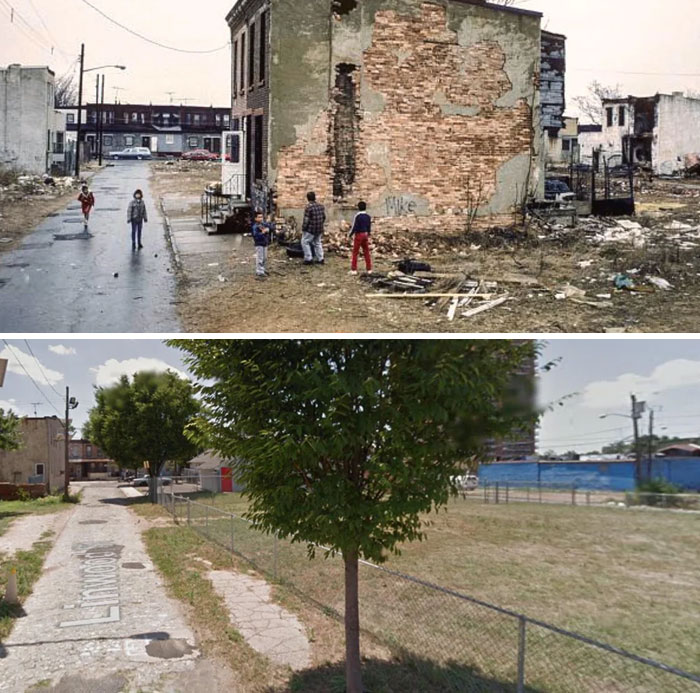
#51 My Town's Downtown Area (1960s vs. 2022)
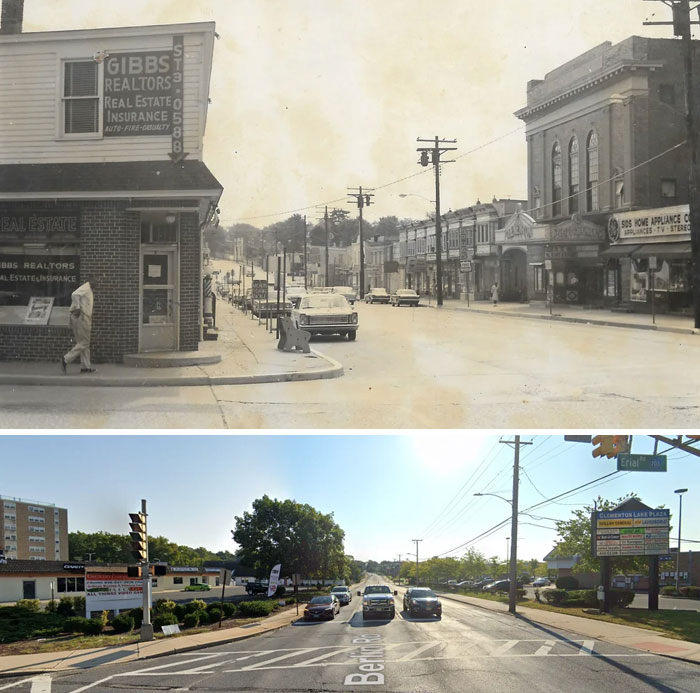
#52 Silver Plume, Colorado Jail 1895 And Now
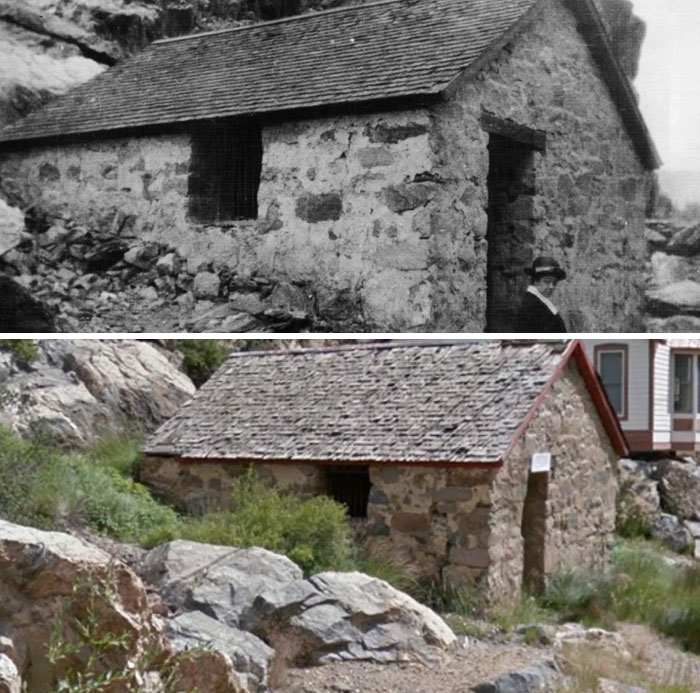
#53 Detroit, Michigan. Then & Now
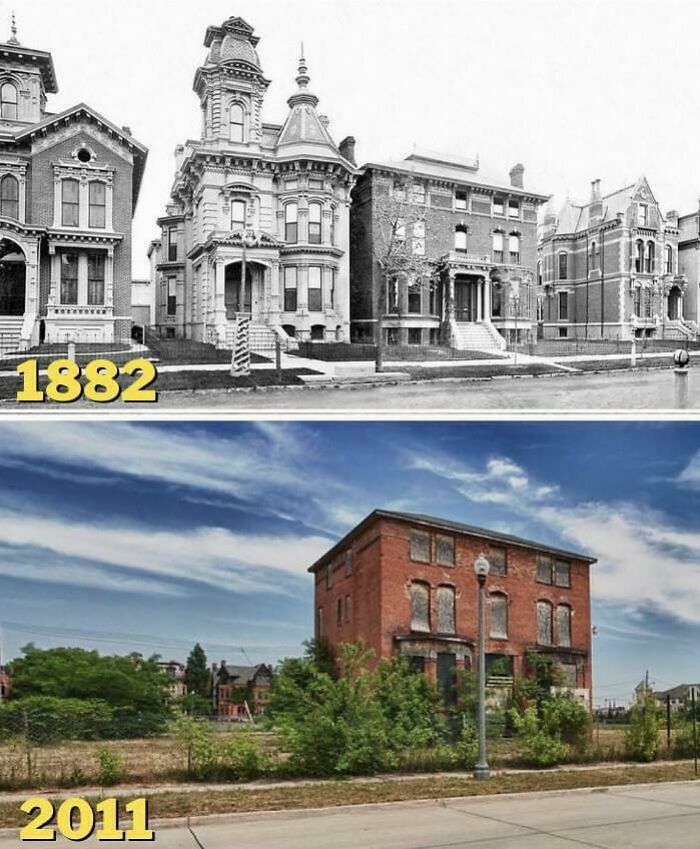
#54 Detroit, Michigan Before And After

#55 Hollywood High School In Los Angeles In 1941 And Now

#56 Main & Delaware St, Kansas City, Mo (1906 vs. 2015)
#57 San Francisco, 1920 And 2020
#58 Old House In Omaha Nebraska
#59 Abraham Lincoln's Home, Springfield, Illinois. Seen Here In 1861 And Today
#60 Michigan Avenue Bridge - 1929 And Today
#61 Jackson Street Bridge From The South Bank Of The South Branch - 1916 Jackson Street Bridge From The South Bank Of The South Branch - 1916 And Today
#62 1980’s To Now In Urban USA
#63 Mozart Ave At W. Roosevelt, Chicago 1988 And Today
#64 Mlk Blvd At Court St., Newark NJ 1981 And Today
#65 My Hometown, Approx 100 Years Ago vs. My Pic From Last Week.... Not So Much Has Changed
#66 Silver Plume School Colorado 1894 And Now
#67 Silver Cliff Colorado 1890 And Now
#68 R/Oldphotosinreallife - Smuggler Mine Colorado 1902 And Now Smuggler Mine Colorado 1902 And Now
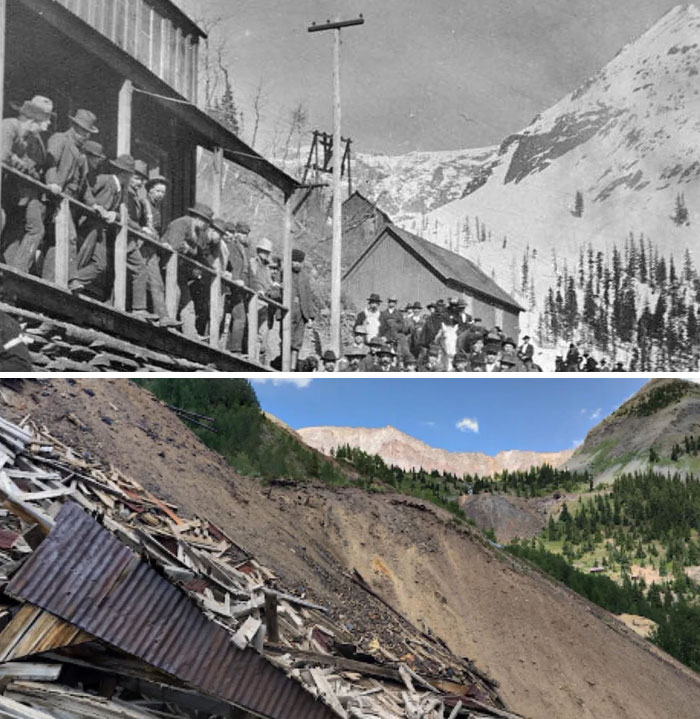
#69 Detroit, Michigan Before And After
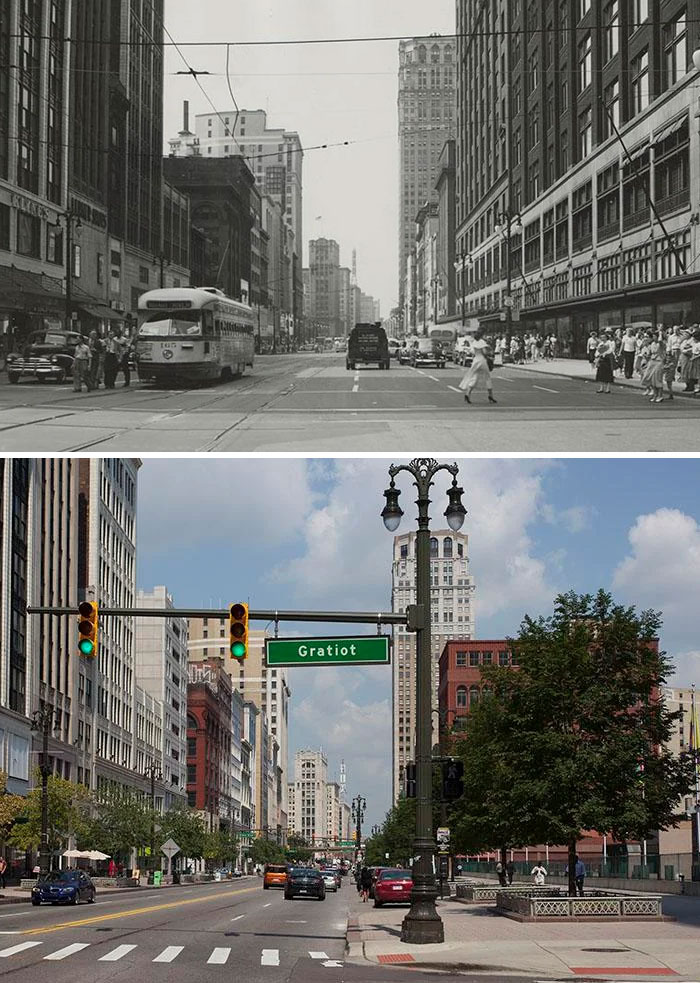
#70 Detroit, Michigan Before And After
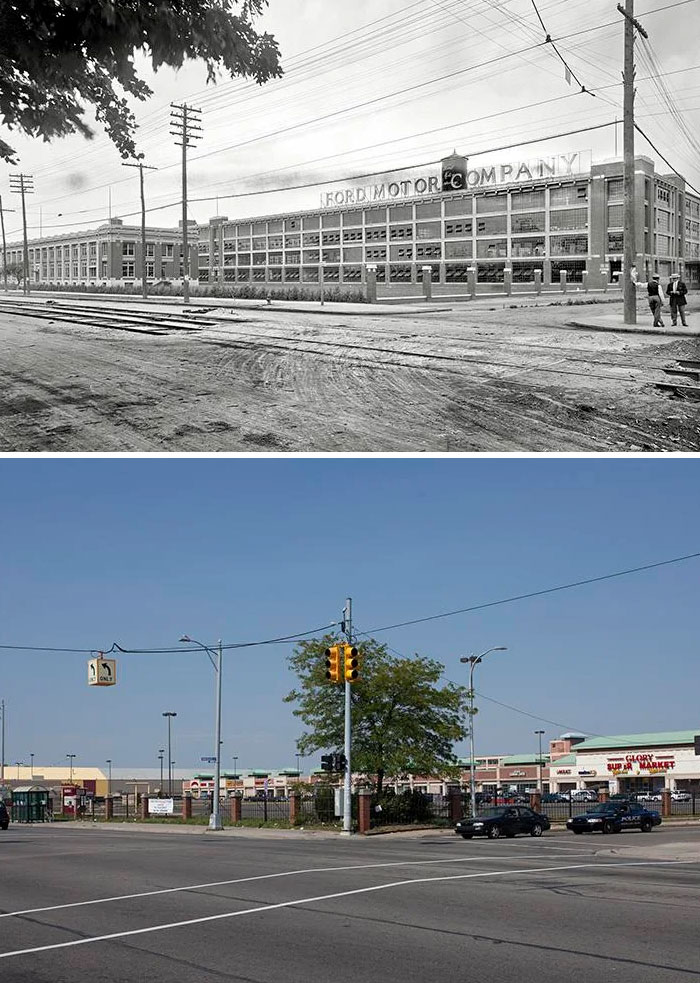
#71 Detroit, Michigan Before And After
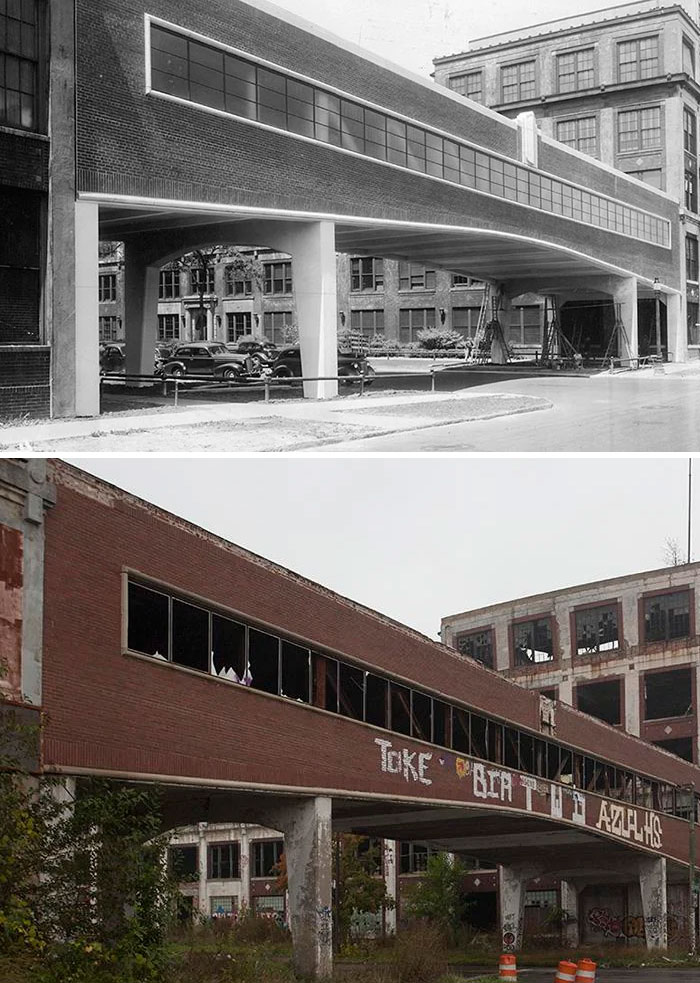
#72 Detroit, Michigan Before And After
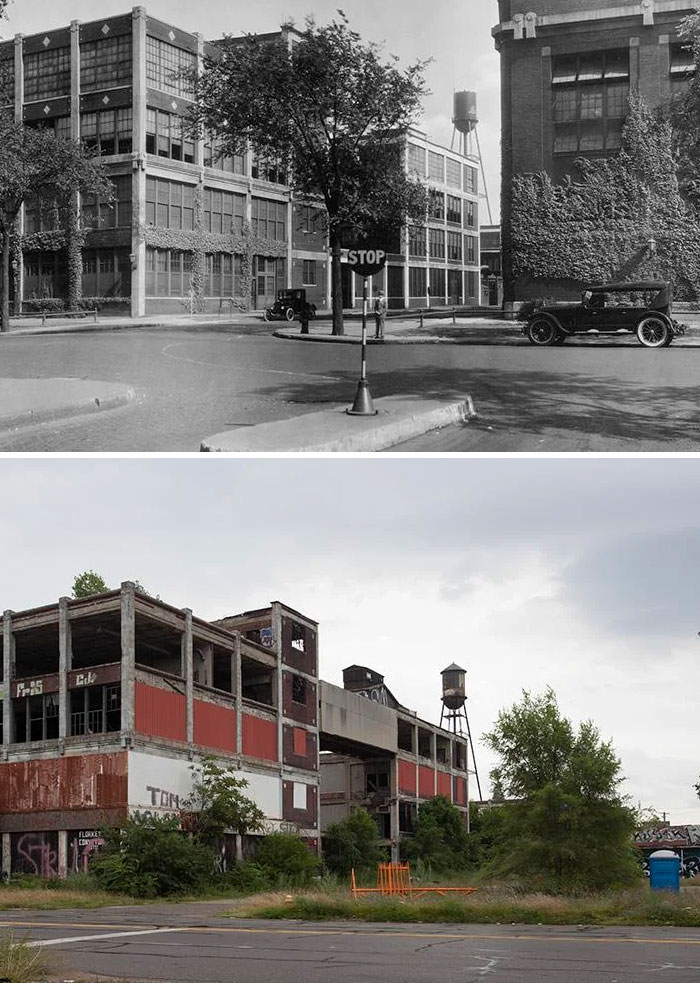
#73 Detroit, Michigan Before And After
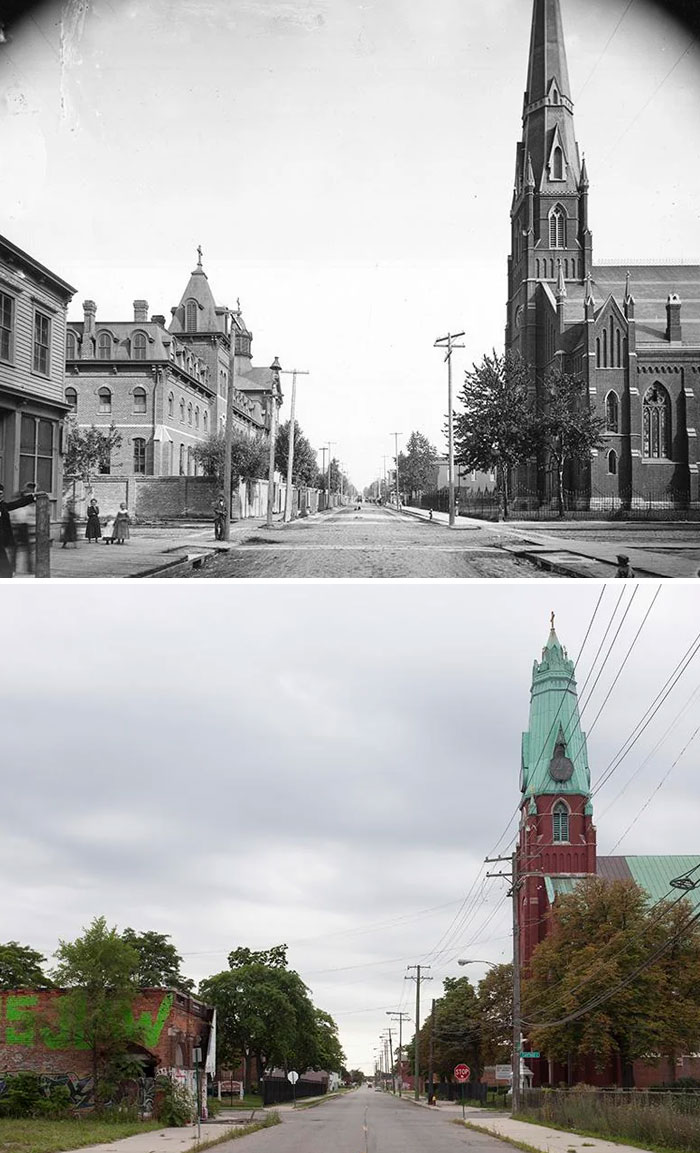
#74 Detroit, Michigan Before And After

#75 Old Photos In Real Life: 1978 vs. Now
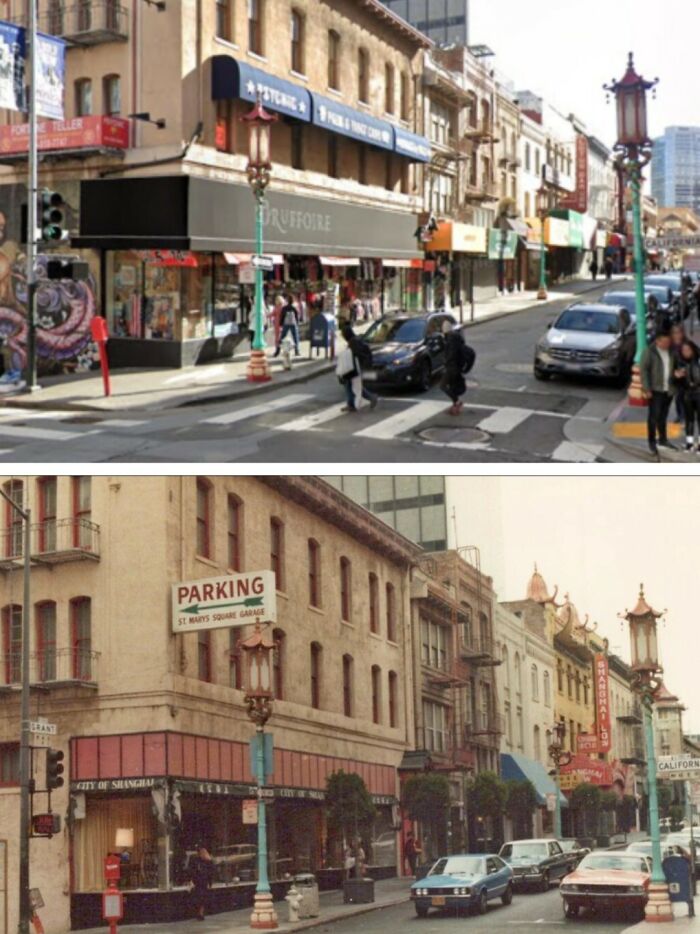
#76 Detroit Before And After The Construction Of Freeways And “Urban Renewal”
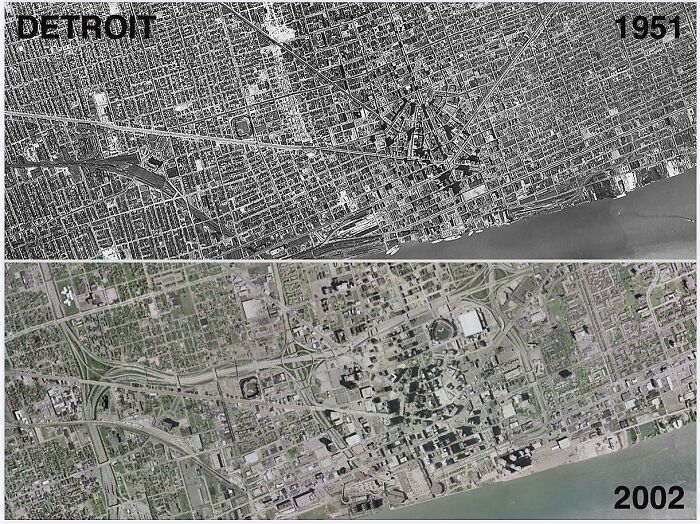
#77 Dallas, Texas (2001 vs. 2021)
#78 We Lost Joey Ramone 20 Years Ago Today. Here Is Ramones Pictured Outside Cbgb July 15 1975
#79 Manhattan 1931 vs. Now
#80 Mount Rushmore
#81 Then & Now

#82 Then & Now
#83 Then & Now
#84 Then & Now
#85 Old Photos In Real Life 1934 Edition
#86 Louisburg Square On Beacon Hill In Boston, In 1930 And 2021
#87 The Royal York Hotel Towered Over The Toronto Skyline For Close To 40 Years. Nowadays It's Buried Behind Glass And Steel Office Buildings And Condos

#88 America- Past And Present
#89 I Tried Taking A Modern Version Of This Photo Of The Empire State Building From 1941
#90 Then & Now
#91 Then & Now
There’s this misconception that all, or most, twins are thick as thieves. They once shared a womb together, and know each other better than anyone else. But it turns out that sometimes, the good twin/evil twin narrative we see in movies isn’t too far from the truth.
A cousin has spilled the beans on some wedding drama that rocked the boat of a wealthy family. According to her, this family splurges on an boat cruise every few years. One such vacation hit an iceberg when the dad decided he’d postpone it so that he could pay for his daughter’s extravagant wedding instead. The bride’s twin sister lost it, accusing her of being selfish and ruining everyone’s year by getting married.

Image credits: http://www.kaboompics.com / Pexels (not the actual photo)


Image credits: Blake Cheek / Unsplash (not the actual photo)
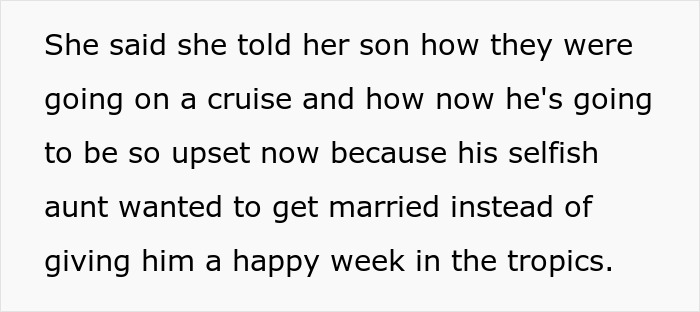
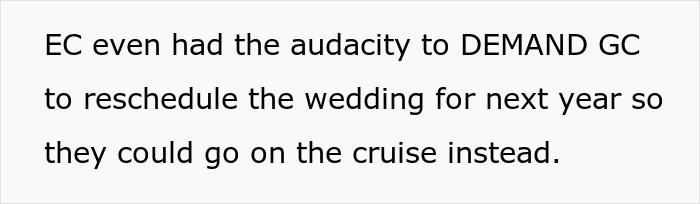
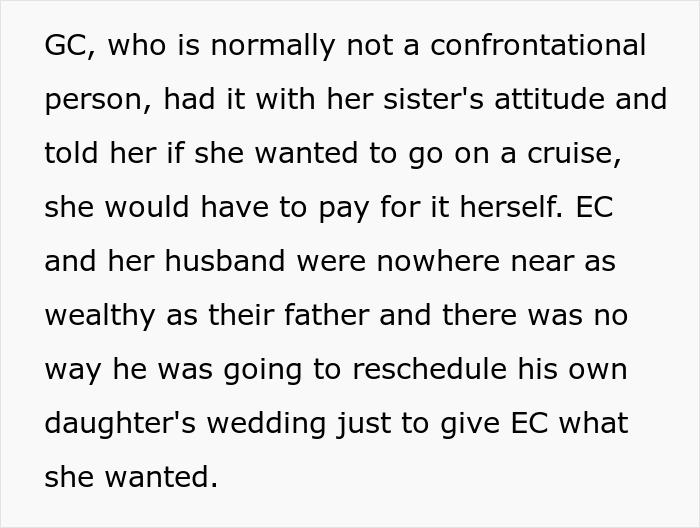
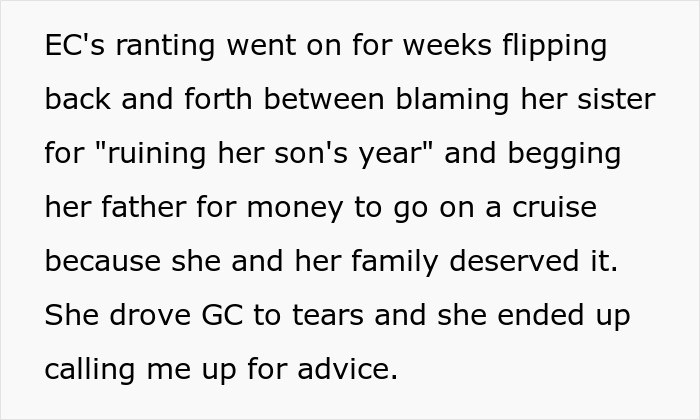
Image credits: khezez | خزاز / Pexels (not the actual photo)
Image credits: robo-dragon

Image credits: http://www.kaboompics.com / Pexels (not the actual photo)
Many people think of twins as having the perfect relationship but this is simply often not the case. In fact, some experts say that twins fight worse than other siblings and hold onto resentments for much longer.
“There’s such an ingrained belief that twins have an ideal relationship, that twins are icons of idealized intimacy, and sometimes that’s true, but often it’s not,” says Barbara Klein, an expert on the development of twins. Klein adds that because twins are supposed to get along, estrangement between them can cause deep shame.
Dr. Joan Friedman, another expert on twins, notes that while twins fight just like different-aged siblings, “their tensions have much more to do with establishing separateness and uniqueness, traits afforded naturally to siblings born at different times.”
“Twin estrangement that grows out of unresolved anger, disappointment, and resentment is emotionally complicated and confusing,” Klein writes. The expert herself has first-hand experience of this, revealing she was “estranged and then connected and then disconnected” from her own twin sister for over 45 years.
Klein describes twins as “born married” because they have a unique bond. But that doesn’t always mean they’re close.
“What is unique about twinship is the level of conflict between twins, which can come after harmony, almost instantly,” she explains. “Conflicts over differences of opinion—what belongs to whom, or who is more favored or entitled—are ongoing discussions that create intense unhappiness and confusion.”
According to Klein, harmonious happiness can easily be totally wiped out by a superficial fight over a dress, toy, or sweet treat.
“Profound fights about the best college to go to or the right man or woman to marry can become ruthless and hateful, and often cause nonstop fighting and alliances in the nuclear and extended family,” adds the twin expert.
Friedman says that rivalry in adult twins has “everything to do with wanting to be on one’s own and discovering one’s singular sense of self without worrying how this will disrupt and upset one’s twin.”
Klein reveals that even when they’re estranged, twins yearn for each other.
“All twins long for the closeness they shared from conception into childhood. The bond twins share is primary; like the mother-child bond, it cannot be replaced,” she says. “Misunderstood and mistreated by each other, twin communication can be destroyed because of fighting and unrealistic expectations.”
Image credits: cottonbro studio / Pexels (not the actual photo)







Sometimes a job, a career, the rat race all gets to be too much, even if the work is manageable. The truth is that we’re all well aware that there is a big world out there to explore and one typically doesn’t get to see much of it if you’re stuck in a nine-to-five.
So we’ve gathered posts from people who decided that they don’t want to be stuck, tied down to a job and got up and left to travel the world. Get comfortable as you read through their experiences, upvote your favorites and be sure to share your own tales in the comments section down below.
Yes. Several times. No regrets. The biggest was when I quit a bad factory job and saved up about 7k. Then I walked coast to coast across the USA which took about 8 months. Most of my budget was food and gear, slept in a tent most nights. My work history is full of large gaps, but also full of life experiences I wouldn’t trade for anything.
© Photo: TheTrailArtist
My partner passed away in an accident in July 2024. Quit my job, packed up and left. I couldn’t stand staying in the city we had moved to together and planned to have our life in. Initially, I started a new job in another country but I was not mentally ready for it and I couldn’t hack it. Ended up leaving and now I’m traveling. Somewhat with a plan, somewhat randomly. Visiting friends in different places, and seeing places I’ve always wanted to visit but never had the chance. It’s bittersweet because I wish my partner was with me but I’m hoping it’ll help me figure out what to do with myself when the traveling ends.
I say go for it. Why wait? There are always going to be reasons to put it off. If it’s something you want to do, don’t spend your time dreaming about it and never doing it. You never know who you will meet or what will happen along the way. Go wherever you’ve always wanted to go. Don’t overthink it.
© Photo: roar075
Traveling alone gets hard around the 7 month mark. You start slowing down and spending a month or two in each place and taking classes or participating in sports or something.
Humans really want connection, comfort, stability.
If you travel with a partner though, it’s easy to go full blast for the full year at pretty high speed.
© Photo: Mammoth_Support_2634
I did a whole year. Quit my job and travelled Europe, India, SEA, Japan. Ended up in Australia on a WHV, met my future wife in Thailand, she's Aussie, got married last year and bought a house now have a baby on the way. I don't regret a single thing!
© Photo: CastNoShadow1
Not a year. I'm on year 8. And now it's coming to an end. I regret very little, although I wish I'd known the entire time that financially I was always going to be okay.
In hindsight, I'm always fine, but after 8 years of not always knowing where the next paycheck is coming from, and always having an eye on 6 months in advanced for the next major contract, it's grown tiresome
Now I worry about getting back into work that will 1 keep me stimulated and two, not suck because of nearly a decade out of regular work
If I knew what I know now when I started, I'd have taken less big risks, and just enjoyed the ride, although the 8 years of pushing myself will definitely pay off when I put down roots
The thing with money is there's always a way to find it. You just have to hone skills.
Learning things like video editing, marketing, copywriting. Are actually great starts, it's cliche, but the way you approach it is key.
The most successful way of finding money on the road that I've ever seen was video editing. Not my cup of tea but he would approach businesses, offer to do them a video for free, if they like it, they can buy it off him. Worked really well.
© Photo: StopTheTrickle
Have you considered discussing the potential of an unpaid sabatical with your office? I am in the middle of a 5 month unpaid sabatical which I think has made the trip more relaxing, knowing that I have a job to go back to. It also has made budgeting easier as there is no unknown of job searching.
Alternatively, maybe see if you can find a new job and tell them you can only start on 3 months? I have a 3 months notice period at my job so it's not uncommon that people can't start straight away.
© Photo: _fountainhead
Yes, twice.
Though I wish it weren’t the case, I feel that age plays a significant role in how these experiences unfold for me.
The first time, I was young, living in my parents’ house, and my job wasn’t very serious. Traveling for a year was an incredible adventure—I learned a lot, had amazing experiences, met fascinating people, and felt I’d had serious personal growth. Coming back home after a year of traveling wasn’t overly easy, but it wasn’t very difficult either. The hardest part was dealing with the overwhelming boredom of not traveling or doing something different and exciting every day. Still, it was relatively easy to get back into my life—I moved out of my parents' house, rented an apartment with friends, and landed a higher-paying job fairly quickly, so things worked out.
The second time, I quit my job, sold everything I owned, and set off for another adventure. It was great, but when I returned after a year, it was much harder. This time, it felt like everyone around me had moved forward with their lives. People had advanced in their careers, gotten married, had kids, and I felt stuck in place. I struggled to find a job for over a year, eventually looking at entry-level positions, which was a huge blow considering I was once on a completely different career path. At some point, COVID hit, and things got even worse. It became incredibly difficult to find an apartment to rent, so I had to sublet and move to a different apartment every month or two. My friends were busy with their spouses or babies, and I felt like I was completely alone.
Now, almost six years later, I still feel like I haven’t caught up with those around me.
Do I regret traveling? Not really. I had incredible experiences that I wouldn’t trade for anything, but it’s important to acknowledge that while you’re living your dream, life keeps moving forward for everyone else. People progress in their careers, relationships, and personal lives, and when you return, you might find that you’ve missed out on opportunities.
© Photo: Initial_Cranberry251
It’s not the same but I took a 13 month unpaid sabbatical to travel the world. Here’s the bulletin list to your questions:
Yes, I recommend it. You’re only at your age once. It becomes different the older and more established you are. I was 41 back then.
No. I have no regrets. The memories, friendships and experiences I made live on long after I came home.
Short answer I work for the government in BC, Canada. I just came back to my old job.
I saved and spent $24,764 CAD. About $62 a day.
I spent three months in South America, two months in Eastern Europe, six weeks in the Middle East, five weeks in Africa and five months and a week in Southeast Asia.
Regarding the regret question it’s been ten years and I’m on a second sabbatical. This time it’s seven months paid at 40% of my salary. I’m traveling Africa for the whole time. Currently in Kenya.
© Photo: Cheat-Meal
A long time ago, my then girlfriend asked me to give up my job, rent out my house and travel the world with her. I immediately said 'No'. It just made no sense to me. Weeks later she passed suddenly at the age of 27. Suffice to say, I was devastated. We'd not been together for a long time (18 months) but...
12 months later, after saving every penny I could, I gave up my job, rented out my house and headed to the other side of the world. What followed was five years of on/off travel. I'd work to save money and travelled as much as I could.
My regrets are obvious but I also wish I'd done it much earlier in my life. I was once sat in a hostel cafe in Paris and a16yo back packer came in. I was so jealous of the freedom he had and the great travel experiences he had ahead of him. I didn't start til I was 29.
Travelling changed me in so many ways and I encourage everyone to go out and see the world. You'll learn more about yourself than anything else.
© Photo: stippleeffect
I'm in the middle of doing it. 1 month in. Feeling a bit homesick but don't regret it. But I was tired af of that job. I saved up plenty of money that I don't have to stress too much. Doing Europe and a bit of Asia. Might extend the trip when I get back if I feel like it.
© Photo: Jammintoad
I left a job in an engineering/manufacturing business to tour Asia for six weeks. Relatively short, but it was a long journey for me. I just needed the break as an opportunity to explore and experience discovery. When I came back I had the opportunity to work fewer days at the same place and a few years later left completely to go back to school.
No regrets at all.
© Photo: AlarmingMonk1619
Yep, did it in 2023 for 6 months after leaving a stable corporate job in marketing. I interviewed about 4 weeks before I came home and walked into a job immediately. I had some decent experience though and was not a junior anymore. No regrets at all but it was definitely mentally challenging at times and I learned a lot about myself.
© Photo: iridessence
Not the same, but I was laid off in September 2023 and remained unemployed through March 2024.
I don't have any children, so I took part of my savings and my severance to travel to 4 different countries (Portugal, Curaçao, Türkiye and Chile). Having credit card points available also helped.
It was definitely risky, but worth it. I want to do it again, but between January and June 2027 because my passport expires in January 2028 (usually you need to have at least 6 months of validity on your passport).
Who knows if I will do it again or not.
It all depends on your personal situation and the job market (which is not the best right now).
© Photo: ed8907
I only regretted not updating my resume before I left, and not preparing for interviews a little more while traveling. I don't regret quitting or traveling at all.
© Photo: mile-high-guy
Yes, twice quit and sold all my possessions. I was gone for 9 months the first time, second time 5 years :)
Absolutely no regrets. 10/10 would do it again.
© Photo: Internal-Food-5753
You can work to live or live to work, it’s your choice.
© Photo: anon
I did it! I was basically going to quit my job one way or another, but I ended up deciding to take another job in the industry four months later. Given your industry, I think the key is to make sure that your professional network is kept up. But, I never had anyone view the fact that I took a few months off work negatively.
I went to Europe and, being a planner, I had a lot of my trip planned out in advance. I used a Google spreadsheet to keep the hostel reservations and flight/train/bus tickets organized in one place.

© Photo: Alpaca_Investor
I’m quitting my soul sucking IT job next week and taking off for a 4 month trip across Latin America and Europe. I’ve saved $10,000 and will be teaching English online very part time for an additional 200€ a month. I’ve secured a job teaching English in Vietnam starting in August so that was easy. I’ve already booked the first month worth of accommodations and I’m just going with the flow for activities !
© Photo: Lonely_Company_8673
Yes I did it at the beginning of 2022 and came back home 13 months later. I travelled around Asia and it was probably the best year of my life. Absolutely no regrets. I did this at 39 years old, had plenty of savings and also rented out my flat for income so I was in a good position to do it.
Coming back home was hard initially adapting back to reality again. The job market wasn't great and it took me about 3 months before I got a permanent job. I spent about £18,000 on the trip in total and I've since made all that money back again.
Would I do it again? No, it was a one off thing for me and kind of a midlife crisis. I'm now happy in my job and ready to settle down with the right person. And as I'm getting older I now prefer comfort over the backpacking life.
© Photo: Stu2307
I've taken a year off to travel and this is really a much bigger topic than can be covered in a comment on reddit. Great experience, no serious regrets, just minor tweaks. (And I've since learned how to plan trips like this in a more streamlined way than I did originally.) I went from juggling multiple part time jobs to travel to pivoting into a more stable career path in marketing. Saved $12k before leaving and made the rest of my budget freelancing while traveling. Finding work on return varies between industries, positions, and individuals. You might chat with a recruiter in your industry to learn how long job searches are taking. Happy to share more via chat another time.

© Photo: anon
Yes.
My first trip to Europe I quit 2 jobs AND took a semester off from university actually to spend 3 months backpacking through Europe.
I regret not staying longer. I regret going back to school and work. I regret not expanding my travels more to see more of Europe and traveling further afield.
I would 100% do it again, even today with my family. We own home and cars and have savings. We are healthy and I have a skillset that I can come back home and immediately either find a new job or work on the side to start re-earning a livable income.
But not everyone is as ready to leave it all behind for an extended trip as I am :)
When I went on that first trip, it was supposed to be 4 high school friends spending 2 weeks seeing our favorite soccer clubs and the tourist highlights along the way.
Budget was $3,500 - all in: flights, hotels, rental car, food, etc. I didn't have that kind of money, my parents didn't have that kind of money. But all of my friends' parents did.
I took a semester off of university, doubled my part-time job's hours, picked up a second full time job. I worked 6-7 days per week for several months.
Then I found 'Europe Through the Back DOor' by Rick Steves, consumed its 300+ pages in a single weekend, and realized I could spend the entire summer on that same $3500 budget.
I told my friends thinking they'd stay the summer with me. They laughed and made fun of me.
I bought a backpack, a Eurail pass, a Hostel Card, and a moneybelt, and a open-jaw, round trip 'from anywhere on the East coast of US to Western Europe and back' airfare 'voucher.
I flew out a week before my friends, and learned all about solo backpacking, hostels, Europes trains, sleeping on trains for free, eating affordably. \Then met my friends in Rome and we traveled together for 2 weeks.
THey left and a cousin from home flew out to meet me. We traveled together for another 2 weeks.
Then I traveled solo for the rest of the summer. I didn't see as much as I could have in retrospect, but i saw and experienced a LOT.
Next to my wife and kids, it was the single most pivotal moment in my life.
Now I share my stories and experiences and advice from 25 years of European travel on Youtube and Twitter and am building a web app to help others travel to Europe on their own affordably and with confidence.
The only thing I regret is not traveling more before having a family & not dragging my family around more as my kids have grown up.
© Photo: Eurotripr
Currently doing this 🤣 so ill tell ya in a year 😆
So far at 4 months and no regrets, feels weird to not have a routine.
© Photo: Hikingmatt1982
Not quit, but had a 9 month sabbatical planned after my dad passed away. 2 weeks into the trip I end up temporarily paralyzed in a hospital in Santiago, Chile and had to cut the trip short and come home.

© Photo: valeyard89
Yes. I planned to travel from 6 months to 1 year, and ended traveling for 3yrs and half, with 2 stops at middle.
At total, I stayed 10 years in Asia, and expected was 6 months.
You can do it at any age, regardless of people tell you, but you have to be flexible with jobs, want to learn new skills, accept losses, loneliness, uncertainty about the future.
When you end, for me at least, there is always a sensation of feeling lost, but after a period of recovery, I'm ready to look for a job.
Many hiring companies see work gaps as a red flag but you can overcome it proving that you are a resourceful person.
© Photo: abentofreire
I am a teacher and I quit my job in 2022 to travel Latin America for 6 months. Like everyone has already said, my only regret is not saving more money or spending more time away—it is an incredible experience you should have if you can!
I spent roughly $10,000 not including some withstanding expenses in the US (storage unit, credit card, etc). My one piece of advice is to keep things open and flexible! I was always anxious about not having plane tickets or solidified reservations/plans, but traveling is so convenient nowadays and most things works out when you go with the flow. Give yourself enough wiggle room so when you fall in love with a new spot, you can hang for a bit!
Being a teacher, I had no problem securing a job when I returned but each profession is different. I hope you have a blast :).

© Photo: Round_Repair_5911
Several times and absolutely 0 regrets. About to do it again soon too!
© Photo: BlackberryEqual9960
Ive been laid off a lot and that is usually the best time to travel. live a little and dont worry about work and time pressures.

© Photo: Sniffy4
I do it every few years. Frick it dude, you will be replaced at a job within a week.
Travel is the only thing you can waste money on and it’ll still make you ‘richer’. Richer with life and stories and knowledge.
Get out there man.. one day the grim reaper will come knocking. Live a life you wanted.
© Photo: _DizzyChicken
If you got the opportunity, do it. You're not gonna look back on your life and think "hell yeah working instead of traveling the world was awesome" lol. Do it.
© Photo: Silverfishlegs
12 years ago I quit a 100k job and purchased a one way ticket to SE Asia. I was 32 and started my trip solo (ended it with a partner I made along the way). I ended up travelling for 18 months. Honestly, I wish I had gone longer.
Hell yeah I was nervous. I was leaving a really good job, my friends and my family. And it was hard the first month. I was on a small island learning to scuba dive and it would get lonely. I was used to being busy all day. But then like anything, you adapt and get more comfortable. You begin to appreciate the peacefulness of not having obligations. And you see the joy in smaller things. You will be fine.
The trip itself was amazing. I went places and did things I would never dream of. Spent 6 months making my own way across Africa, which just blows my mind when I look back on it. Hell, because of my trip I ended up moving to Europe from the U.S. I’ve been here 10 years now. My trip changed my life completely, and I’m much happier for it.
Go. Enjoy every moment you can.
© Photo: TeddyTurbo
Crazy my roommate is literally leaving tomorrow to travel for the next few months. Quit his finance job, totally got burned out. I can hear him packing as I type.
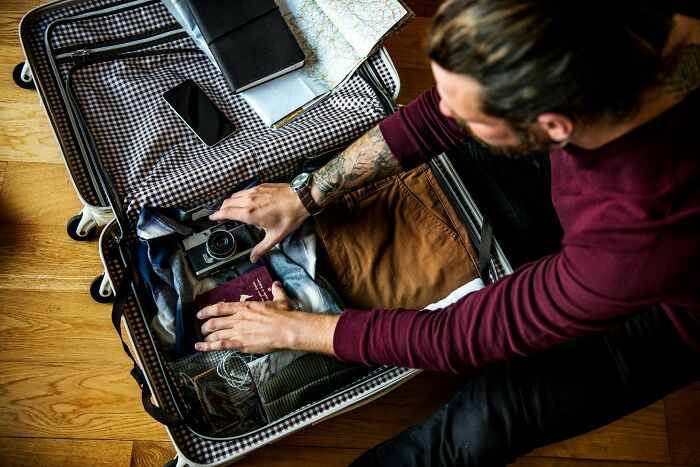
© Photo: RichieRicch
I didn’t do this but I’ve traveled solo a lot and what I say about it is the highs are higher and the lows are lower. The loneliness and boredom sometimes is awful but then you have these incredible unplanned experiences and it makes it all worth it. I’d say establish some daily routines you can take anywhere so you ground yourself.
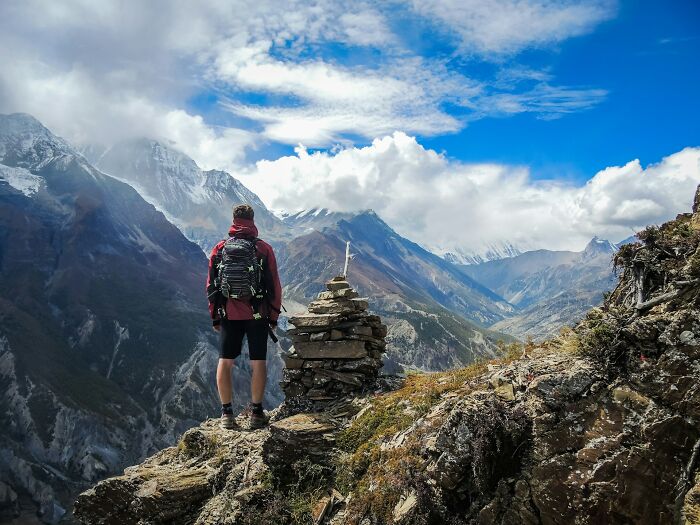
© Photo: Astarrrrr
I quit a job that some people considered a career entry point. It was a union job providing tech support for the local phone company. It paid decently for the time ($17/hr in 2006), but I always intended for it to be temporary.
Best thing I ever did. Spent the next 6 months on an overland route from Cairo to Budapest. Egypt, Jordan, Syria, Turkey, Greece, Bulgaria, Romania and Hungary. Plus some brief stops in London, Paris and Malta. (Those brief stops totalled about 3 weeks, which is now my typical vacation length)
Traveling long term isn't like a vacation. You develop routines, meet new friends, and just experience what carefree living is all about. Probably you'll spend whole days reading books. Maybe you'll randomly decide to spend a whole week somewhere just because the pension you're staying at serves good food (okay, they also had a pool). But the travel adds variety to those routines. You'll never be bored because there's always something new to see. And if you are bored, you can just pack up and move on.
Everyone gets nervous in the face of a big change, but if this is something you want to do, and have the ability to, you'll have far more regret and second thoughts if you back out.
I did it and traveled for a year. It was totally worth it. I wasn’t at all doubtful about it because I was really unhappy with that job by the end of it and was sick of where I was living and was planning on looking for a new job and moving anyway. Looking back it was amazing but while doing it I kind of got used to it and there were just different kinds of highs and lows. Sometimes I had to stop and just take a moment to appreciate all the incredible things I was seeing.
I very rarely had nothing to do though. You can pack your itineraries as full as you want. Apart from the occasional beach break I was pretty much doing stuff every day during the hours most people would be working.
I did it back in 2023. Well I didn’t quit, I was laid off and just took the opportunity to go travel for 3 months.
A few things happened, one I haven’t been able to land a job since lol. I worked in the tech industry and the market has just been absolutely ruined. I worked as a photographer as a hobby and occasional side-gig but have been forced to do it full time. So while I’ve been broke as hell, I’ve actually been a lot happier as I have more free time.
I did this for a four month trip. I was leaving a job that was for a set term and so had to find a new job anyways. When the new job gave me the offer I asked if I could delay my start date for four months and they agreed. It was great, honestly - I had the security of knowing the job would be there when I got back but I didn’t know anything about it to have it weighing on me during the trip.
I left my job in September 2022 and traveled for 14 months.
I returned in December 2023, and it was a rough first few months back. I didn't expect to struggle so much with the transition back to being home. I battled depression. It didn't help that I live in a northern city that gets very dark and grey in the winter, and I was returning just in time for that.
I also didn't expect my friends and family to be so uninterested in hearing about my experience. I spent a few weeks seeing family after my return and they could not have cared less and acted like I was irresponsible for not working for so long. So what I'm saying is don't expect friends and loved ones to understand or care about your journey if you choose to do this.
During my travels, I also struggled existentially with the purpose and meaning of what I was doing. You get tired and burnt out. Some days I sat inside and did nothing. Sightseeing gets old real quick, so you need to have a purpose for traveling, or some sort of interest you're pursuing. I also got tired of moving around, so the further into my trip I got, the longer I'd find myself staying in some spots - especially if I liked them.
Once I returned, I briefly saw a therapist to try and talk through some of the issues I was having mentally and slowly came out of my funk. I found a job about four months after getting back. Granted, I wasn't even looking the first two months. I did put my traveling experience on my resume as a self-improvement sabbatical, and employers seemed to respond to that in a positive way.
As far as anything I would do differently? Not sure, maybe using more of my down time while traveling to invest in skills that might translate into employment opportunities. But it's hard to do that when your mind is focused on traveling and not thinking about your next career move. The time was mostly a break after leaving a very stressful and toxic job, and I wouldn't give it up for the world. I think about it every day, and I can honestly say that it is one of the best decisions I've ever made.
This comes up on career subs pretty often. If you want to travel for 6 months or less and are in a professional role, I would highly suggest asking for a leave of absence. By the time they post your role, find someone and train them, it can easily be 4-6 months, and they would be better to have you back. If you hate your job or your company, then the situation may be different, but even so, a leave of absence will play better than a resume gap. If you want more advice along this line, I am happy to provide it.
I have seen this type of thread come up on Reddit over the years. Hardly anyone who quit their job to travel a bit regretted it.
As for me, I decided between quitting my job to travel and buying a house. I chose the latter and I regret it. Now I have a mortgage tying me down and I have to stay employed or I’m screwed.
If you’re itching to travel then do it now.
Came back 4 months ago, travelled 1 year.
I didn’t expect to cry a bit when I got home and drove out to the mountains. Realized once again how lucky I am to live in such a gorgeous place.
Started the job hunt 2 weeks into being back, started in a stellar job 2 weeks later.
I wouldn’t change a single thing about the trip.
Also a software engineer. I left in 2023 and worked for a charity up in a remote part of the my country for a season, then travelled NZ for 7 months in 2024, working odd jobs and volunteering for accommodation.
Not going to lie it was rough when I came back and applied for SE jobs again. I got quite depressed feeling like I was unwanted and like I’d made this huge mistake that would cost me my future in this kind of job. I kept telling myself just to keep trying and something would work out - in the end that happened through reaching out to a previous manager and going in for a chat. I rejoined that company and feel settled back in now.
Looking back it was absolutely the right decision to leave and travel / experience a different job for a while. I think about NZ daily and I had a great experience travelling. It has also given me a different perspective around work - I used to fantasise about quitting and travelling just to escape my weeks in the office. Now I understand that work is (for most people) an inevitable sacrifice that has to be made, and I feel a lot better equipped now to make the best of my days rather than sulk and daydream.
Savings wise, it sucked to go basically back to 0, but we’re both in a fortunate position of working in a well-paid job, and with hindsight I would not question the decision to trade savings for the experience of travelling. If you’re thinking about it and the timing feels right for you, sometimes you’ve just got to make the scary decision and trust that ‘future you’ will figure out the situation when you return. Hope you can make it work for yourself, I’m rooting for you!
I did this for a little over a year! Got back a couple of months ago and thankfully was able to find work (tech) pretty quickly after.
I have zero regrets and am so so happy I pulled the trigger! Obviously, i might feel a bit different if I hadn’t been able to find a new job so quickly.
Traveling has put my savings and retirement behind but it was worth it.
I did this for a year after 2023 tech layoffs like others mentioned. I was on a visa and had to leave the states quickly because I couldn’t find another senior design job in 60 days!
I travelled around Mexico and Colombia and practiced Spanish. By around 8 months I kinda had travel fatigue and got sick of packing up and moving every month or so but I really enjoyed the little friend groups I made at each place.
Early 30s is a great time to travel. Think of the opportunity cost. You can put off tech burnout and you might not have a hard time going back to work if you are in engineering.
I quit my job in 2022 after I turned 30. During Covid I had worked a lot without having major expenses so I saved a lot of money which allowed me to think about travelling.
Initially my plan was to travel for 3 months and rejoin ( I worked as a psychologist in a school) but I ended up traveling for 1.5 years as I was having the best time of my life.
Not going to lie, once I got back, it was a bit bleak. I didn't want to continue the job (due to low salary) and it took me some time to figure out my options. I had lots of people tell me to try out in the tourism industry but I didn't want to change my career at the age of 32, which is exactly what I did and right now I am working with a tour company and honestly it's a dream job. So I lucked out.
My advice here would be, only do it if you have enough money for this with some extra savings for some months after you get back from your travel and know when you are going to get back, you are probably going to be a different person because the entire travel experience changed me. For good.
I had absolutely no idea what I wanted to do once I got back. I wish I got into tourism immediately rather than waiting for a year. That's something I wish I did differently.
But I'd say, if you have money, do it. Southeast Asia is especially cheap. And this is a fantastic age to travel.
I am currently four months into this myself - been in Japan since April (with a 2-week trip to visit an old buddy in Mongolia) and I’m about to head to Thailand for August then South Korea in September, potentially coming back to Japan in October thru December.
I’m traveling solo and have found really good deals on long-term stays by contacting expat groups on FB and getting a way cheaper rate than thru Airbnb. I hate checking into and out of hotels constantly, so being in the same apartment for the last two months has helped me avoid feeling like I’m living out of a suitcase. Being able to cook and store food is amazing and don’t ignore that.
The first time, no. Six months off after a brutal year of 80+ hr weeks to explore all of South America was worth it. I spent ~$4k/mo.
The second time... I turned down phenomenal job offers that would've catapulted my career and life forward to backpack Europe, Africa, Asia instead. Not the worst trade, but I gained less and gave up more the second time.
Get what you can out of travel, but don't let it distract you from building a life to come back to.
Quit my job at 37 - had about $175k in cash and owned 4 rental properties that replaced my salary. Wish I could have quit in my 20s, but would never have been able to build that financial parachute. Travel only gets harder as you get older, that much I can say. Even in my late 30s, I'm not willing to put up with certain discomforts that didn't bother me in my 20s, like 16 person hostel dorms lol. I have been going all over the world, but I slow travel now.
The big thing I want to say though: traveling will not fix you or make you happy if you are depressed or struggling. It actually may be a terrible idea, as it is frequently uncomfortable and challenges you, especially if you are going to countries where you don't speak the language. The good thing about traveling in yours 30s: I'm much more emotionally resilient than I was in my 20s - I've lost a parent, been through some stuff, built a business. A bad trip or experience rolls off me, where I used to take it more to heart in my 20s. It's all part of traveling. Good luck!
My wife and I quit our jobs in our early 30s to take a 2 month European honeymoon. It was the trip of a lifetime and my favorite time of my life. No regrets whatsoever.
Travel is great. But you’ll take yourself with you. You can change your daily grind to make it more enjoyable while also spending time travelling.
No. I did this from 2022-23 and travelled for a little over a year.
In retrospect, it was just the right time for it. COVID was still lingering somewhat, so over-tourism and inflation hadn't hit like they are now. I saw places like Venice and Angkor Wat with very few tourists.
There are certainly things I would do differently knowing what I know now, and it did wipe out my savings that I had built during the pandemic. But it allowed me to quit a job that I hated and I don't regret it for a minute. I think about those travel experiences every day and cherish them more than any material possessions.
I only regret running out of money and not being in a great position to make a lot more quickly before my bucket list was complete.
At the age of 21 I quit a job in telecomms to travel. I was away for 5 years and when I returned home, all my knowledge was outdated, the industry was downsizing. I went back to travel after 18 months of odd jobs and came back with a spouse and kids 3 years after that. That was decades ago and I never really caught up financially with my peers who stayed at home and retired after 30 years or so in their line of work.
Most retired before the age of 60 whereas I'll be 70 soon and although it's not an absolute necessity, my wife figures she's more comfortable if I put in a few more years, since I don't have a company pension unlike most fo the folks we know. I don't regret my travels but if I had to do it again I figure I might have been better off if I had had a trade that doesn't involve too much technology (nothing changes like tech.) instead of a diploma, and also I wouldn't have stayed away from my home country for so long. When you come back in your field or any new job at the age of 33, there are lots young folks who already have years in with the firm and know their way around and don't mind trying to boss the old person around...
I can’t speak to your career field necessarily but I’m all for living your life in a way that actually feels fulfilling rather than just being a part of a machine and waking up when you’re 45 wondering what it’s like to feel alive. Not that travel is the only way to live a fulfilling life, but I have a feeling you’d figure it out.
I am doing it right now in my 40s. Left everything behind in storage to travel for 7 months.
I quit my job for a year and spent the time traveling, taking classes, starting personal projects, and just doing what I’ve always wanted to do. However, I only felt comfortable doing this because I was solid in my career (8 years). It’s a relatively high-paying career in a specified field that I felt confident I would be able to rejoin after that time off. I could also afford to come in at a role 1-2 levels below and still be fine financially. I also had tens of thousands in savings and a couple hundred thousand in investments, so I also felt confident that I could go even longer without a job in the worst case scenario.
After ~10 months not working, I started applying. Got several interviews and got a job offer within 1.5 months at a great company. So personally, I would get more work experience under your belt because < 2 years of experience + 6-12 months of voluntary travel essentially relegates you to the same category as inexperienced new grads. And from what I hear, they’re having a terrible time in this current job market.
The upside of having a bad job is you've got little to lose by leaving it to go travel.
I was laid off and did it. It was great. I just recommend ending your apartment lease if you have one. Looking back I wish I travelled longer if anything and let go of more financial obligations.
I quit my job and sold everything to go on a working holiday to NZ and Australia. Plan was 3 years. It's been 6, and I am having a hard time imagining a life outside of Australia at this point.
I usually take temporary contracts (6 - 18 months), and travel in between. A few times I've been offered to come back to the job after I've got back from travelling because it's easier for them to give me unpaid leave rather than hire someone new. It's also generally easier to get a temp contract because not as many people apply for those roles.
I took a six months leave of absence and went around the world. I told my boss about it a year in advance. As the date got closer they offered me incentives not to go, but no way! They did want me to continue working there, so were supportive.
This was 1998, so no doubt prices have gone up, but it cost about $22k total! We didn’t stay in fancy places but they mostly were not dumps, either. I miss those days.
I left my job and went travelling for 4 months. Zero regrets! I was refused a sabbatical so off I went. It made me rethink what I wanted to do and if it wasn’t for my personal circumstances I’d do it again!
My advice, if it's your first time planning a big trip alone, is to be somewhat modest. This isn't about going to the most difficult to get to, most exotic location. You can absolutely have an amazing, life changing experience even if you just road trip within your own country.
Be mostly practical in your approach, with a touch of wild dreamer. Ie, if you've never traveled internationally, maybe don't make your first adventure a maze of international travel to ten different countries with all sorts of visa requirements. You're gonna be stressed AF and one little mistake could ruin the trip. Do one country for all three months. Or do a guided multi country thing with a travel agency.
Be honest with yourself about your comfort level, and remember that this isn't the only time you'll ever have a chance to do this!! Your goal here is to have a good experience, relax, break free of the productivity mindset; if that means staying within your home country to start, that is a great idea.
I discovered things I didn't even know existed in my own country, found a new passion, overcame fears, and grew so much as a person without ever crossing a border. If I had tried to plan a gigantic trip overseas to all of the places I've dreamed of visiting, I think I would have had to deal with a lot more anxiety and ultimately not enjoyed it as much.
Now that I have built my confidence in my planning skills and the fact that I won't be destitute upon my return, I am working on an international trip. .
Yes I did it. Quit my job in a call centre after saving up for a year. I was 24. Left UK in January 1997, returned the following February. Travelled round the world, had a 1 year working visa for Australia (repo man for Radio Rentals; mail clerk in David Jones). Best thing I ever did, and would recommend it. If you hate it, or it’s wrong for you, promise yourself you’ll just come home. But you won’t 🙂.
Recommend. A lot will become clear as you do this, and you will return to your career with better priorities.
It’s been great. Took 18 months off to travel Asia, spent half of our house down payment fund. Returned to the US last April, landed a job within 4 weeks that I absolutely love. Traveled to El Salvador, Chile, and Ecuador for “normal people” 1-2 week vacations. Closing on a house next month. Life is good.
Slightly longer than your requested timeframe.
Quit my corporate job in 2018. Lived out of a backpack traveling the world with my wife for 2 years. Came back to USA and lived in a van for a year. Got a job 4 years ago (software developer).
We got tired of traveling. It's hard to constantly change your home base and always be doing something new in remote places in countries where your not a native. I started to get de sensitized to the amazing things we got to see and do. Today's erupting volcano wasn't as good as the alpine waterfall we saw last week or the rainforest we saw the week before, ect. We needed to slow down and find a better way to have a comfortable home base. Van life solved this for me, would have happily continued to do it if not for COVID.
Both my wife and I had jobs within 4 weeks of applying to new positions. Admittedly the market was better in 2021.
I don't think I would do much if anything different. If you're willing to take the plunge, there is a wonderful full world out there with endless adventures. It's uncomfortable and challenging at times to navigate it, but when you figure it out, I can't explain how amazing your experiences can be. The good and bad change you and help you grow. I'd rather take the time when I'm younger to go experience the world and new perspectives.
I was 31, spent $26k staying out of the US for 8 months. Australia, NZ, SE Asia. Would absolutely do it again in a f*****g heartbeat. Believe people when they say life is short.
Quit a bad job in my early 30s, moved to Brazil to live with my girlfriend for almost a year. Was the most incredible year.
Now married to said woman and working a better job with better people. Eventually going to retire in Brazil (hopefully in under 10 years) and do something fun with my life there.
I did miss out on a lot of earnings and a little bit of career mobility, but it’ll be a wash in the end. Don’t regret it for a moment.
Certainly never great to do this as a new professional in an engineering discipline because there is a lot to learn in the early years to establish your career.
That said, if you do it extremely early in your career, you’re going to be an entry-level employee either way when you return 🤷♂️ Early is often easier than later.